


Skip to Main Content
Local News
Wells, like many U.S. tourist spots that rely on foreign labor, is fearful of immigration raids. The local police department’s agreement to collaborate with federal agents only adds to the anxiety.

Residents of Wells, Maine, and the surrounding area participate in a protest in front of the Wells police department. The protests have become regular events after the department agreed to a collaboration with ICE. Ryan David Brown / The New York Times
By David Goodman, New York Times Service
updated on July 31, 2025 | 9:55 AM
8 minutes to read
Share
Share
Send this article to your social connections.
WELLS, Maine — The rituals start early in Wells, a popular tourist destination on the southern coast of Maine.
At 6:30 on a recent morning, a gaggle of dog walkers on Wells Beach strolled vigorously behind their canines as a blanket of fog lifted off the ocean.
At 7 a.m., a line of bleary-eyed customers was snaking out the door at Congdon’s Doughnuts, the town’s 70-year-old doughnut shop.
Around 8 o’clock, yet another ritual, new this year, began as a small group of protesters gathered in front of the Wells Police Department, waving signs at cars on Route 1, Maine’s coastal artery. Wells recently became the only town in Maine whose police department agreed to a collaboration with the U.S. Immigration and Customs Enforcement, or ICE, and the protesters’ objections to the partnership were clear.
“No ICE in our community,” read a cardboard sign held by a resident, Daria Cullen. “Fight ignorance, not immigrants,” read another. Many drivers honked and waved approvingly. A smaller number of drivers seemed to feel otherwise, flipping the finger at the protesters.
One Wells resident, Jim Loring, was walking past and shook his head. He confessed ignorance about the agreement with ICE, but said that the police “are supposed to be cooperating with ICE,” adding: “I mean, that’s protecting the citizens of this town. Everyone should be cooperating with ICE, not fighting with them.”
The protests, which began in April, have become a weekly event in Wells, which relies on foreign workers to staff its hotels, restaurants and other businesses. Police leaders, in turn, are now taking a cautious approach and have yet to participate in ICE enforcement actions — but that hasn’t quieted the furor or the concerns about how Wells, and Maine broadly, will be seen by tourists and foreign workers.
Six months into Donald Trump’s second presidential term, national politics have crashed into this small New England resort town like a rogue wave.
Feeling the pressure
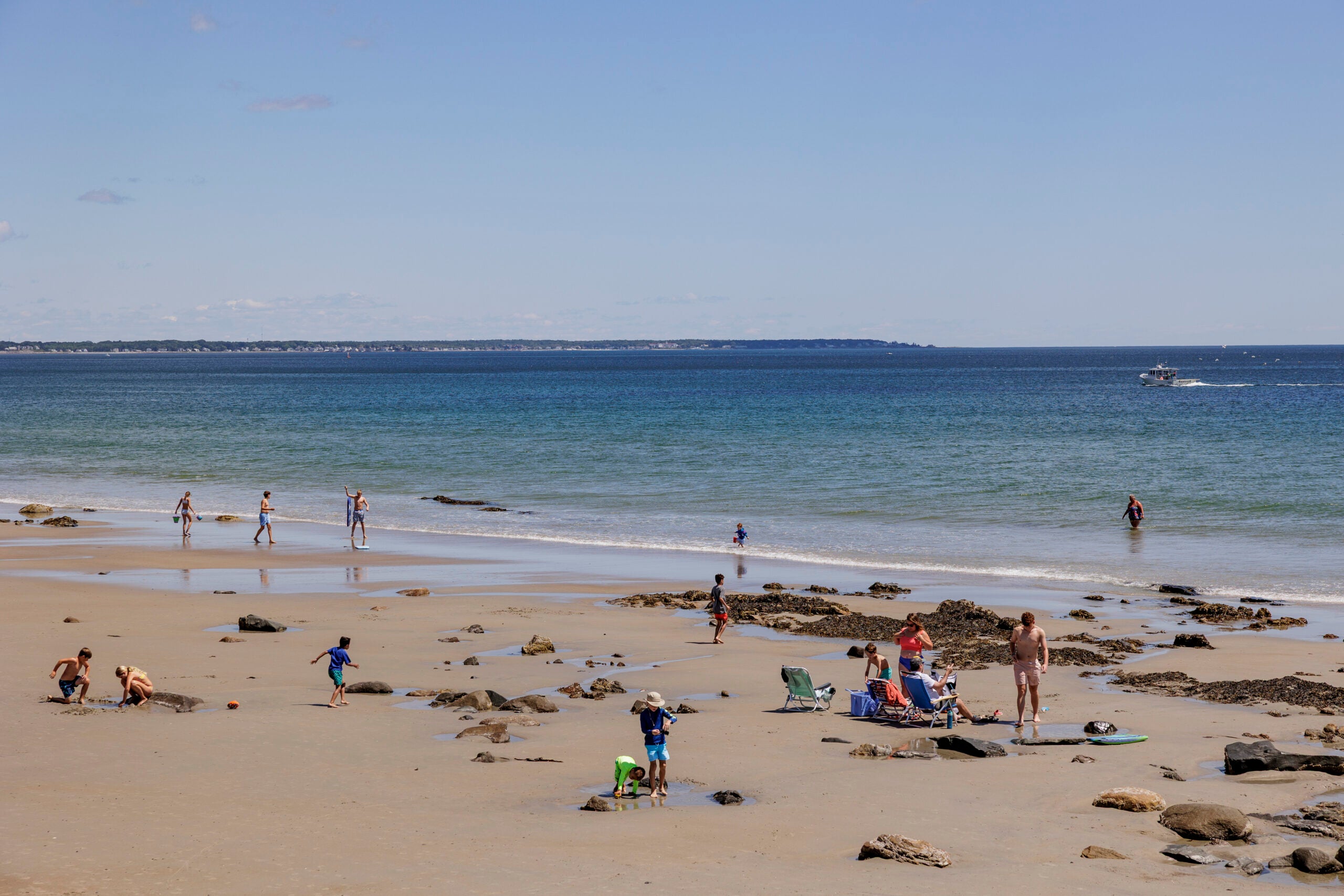 Wells, known for its sandy beaches and small-town charm, is a popular tourist destination. Many hotels and restaurants there depend on seasonal foreign workers to fill essential jobs. Ryan David Brown / The New York Times
Wells, along with many U.S.