


Fungus feeding —
Beware the sticky, tricky genetic weapons of a fungal carnivore.
Elizabeth Rayne
– Dec 18, 2023 6:23 pm UTC
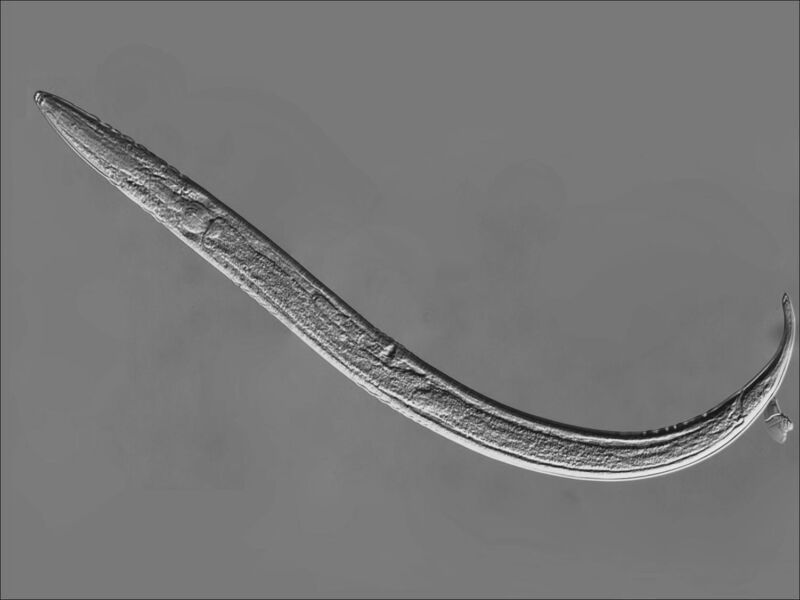
Enlarge / The fungus’ favorite food.
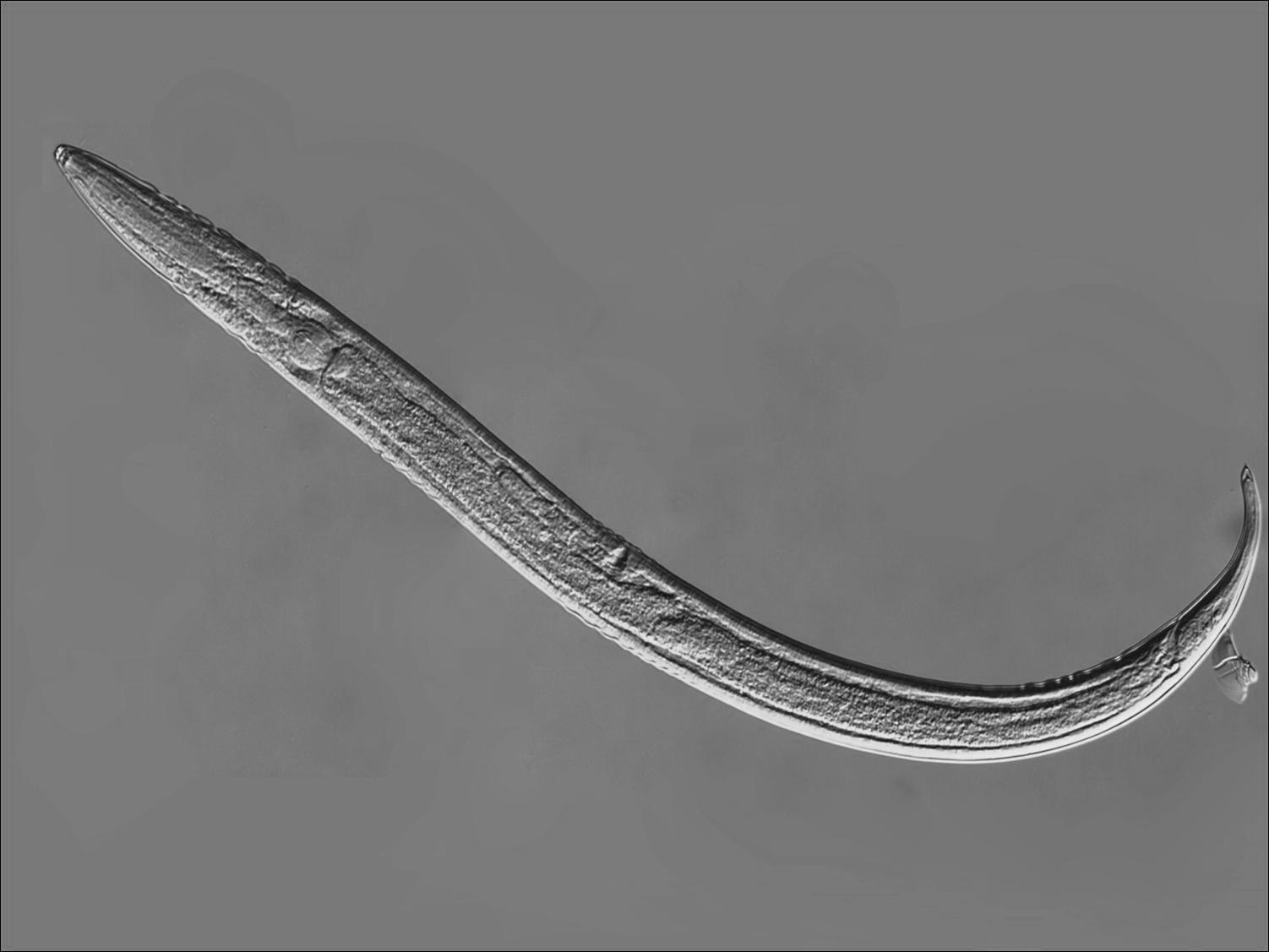
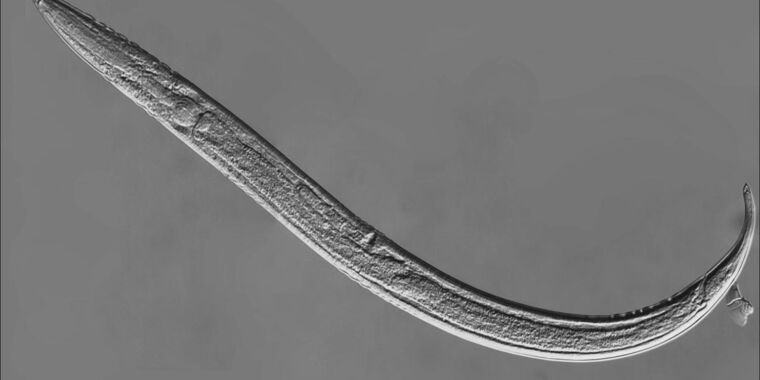
Some of the scariest monsters are microscopic. The carnivorous fungus Arthrobotrys oligospora doesn’t seem like much while it’s eating away at rotting wood. But when it senses a live worm, it will trap its victim and consume it alive—pure nightmare fuel.
Until now, not much was known about how the attack of the killer fungus happens on a molecular level. Researchers from Academia Sinica in Taiwan have finally found out how the gene activity of the fungus changes when a nematode creeps too close to A. oligospora. Led by molecular biologist Hung-Che Lin, the research team discovered that the fungus synthesizes a sort of worm adhesive and additional trapping proteins to get ahold of its meal. It then produces enzymes that break down the worm so it can start feasting.
Caught in a trap
A. oligospora lives in the soil and is mostly saprotrophic, meaning it feeds on decaying organic matter. But that can quickly change if it finds itself deprived of nutrients or senses a tempting nematode nearby. This is when it goes into carnivore mode.
Lin and his colleagues wanted to see what happened when the fungus, low on nutrients, was introduced to the nematode Caenorhabiditis elegans. The fungus showed a significant increase in DNA replication when it sensed the worm. This resulted in trap cells having additional copies of the genome. The trap cells reside in fungal filaments, or hyphae, and produce a specialized worm adhesive that would allow those hyphae to stick to the worm once it was caught in the trap.
What may be the most important genetic actions in helping the fungus to create a trap out of hyphae is ribosome biogenesis, which enables increased protein production. Ribosomes are where proteins are made, so their biogenesis (literally the creation of more ribosomes) controls cell growth and also determines how much protein is synthesized.
The researchers also identified a new group of proteins, now known as Trap Enriched Proteins (TEPs), which were the most commonly produced proteins in fungal trap cells. These seemed to contribute to trap function rather than formation.
“Given TEP protein localization to the surface of trap cells, we hypothesized that TEPs may be critical for the function of the traps,” they said in a study recently published in PLoS Biology. “Adding C. elegans… leads to their immediate capture.”
As the fungus put more effort into creating a trap and forming worm adhesive, it deprioritized activities that are not really involved in the process. Segments of DNA that usually help A. oligospora digest dead matter were down-regulated, meaning there was lower gene activity on these segments in response to the fungus sensing the worm.