

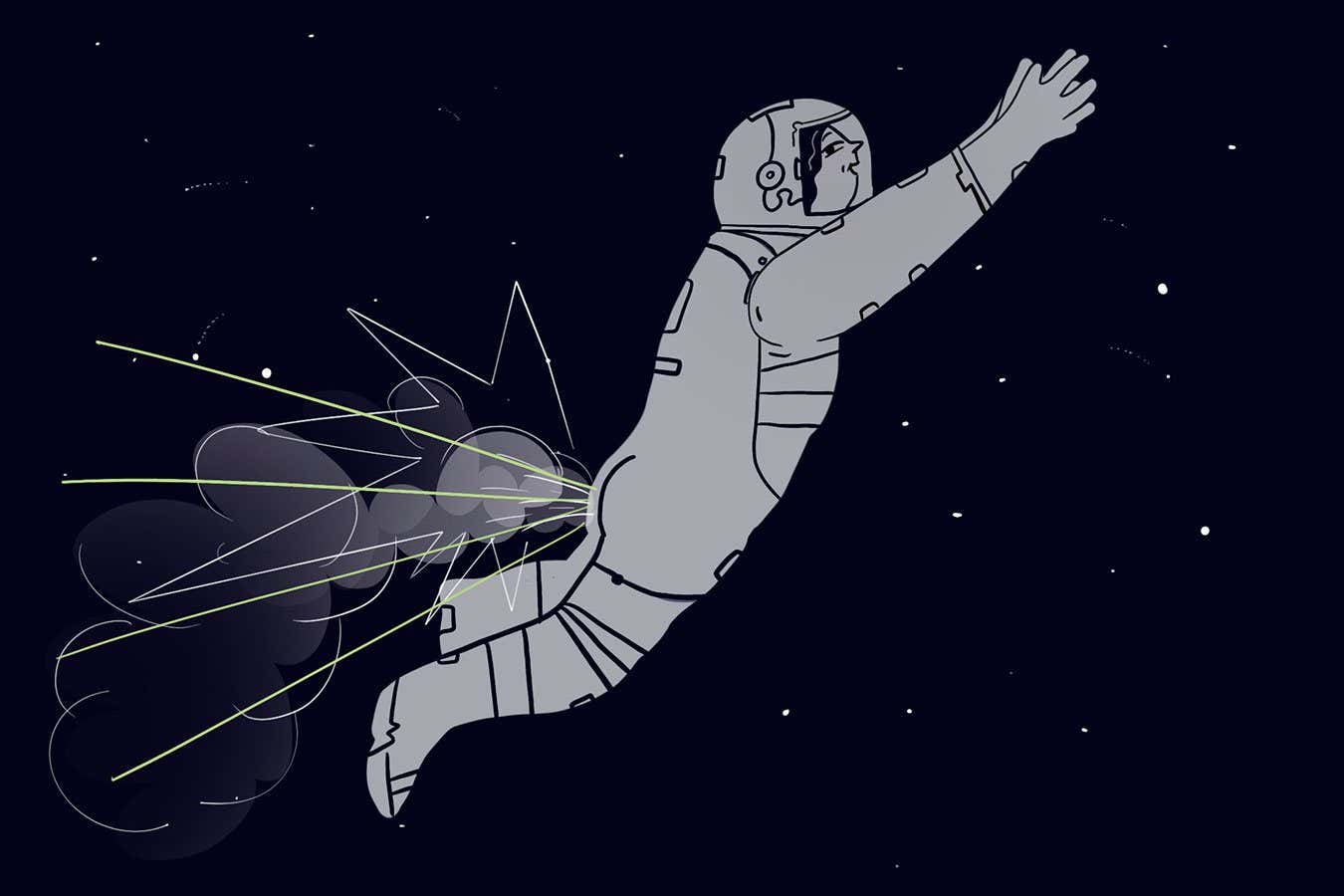


Yogurt in space
“Can Bulgarian yogurt enhance astronauts’ performance during the Mars missions?” ask Izabela Shopova, Diana Bogueva, Maria Yotova and Svetla Danova in their study of that name published in the Journal of Ethnic Foods.
The researchers had seven people prepare and eat Bulgarian-style yogurt – made with Lactobacillus delbrueckiisubsp. bulgaricus and Streptococcus thermophilus. The seven were, at that time, members of “a team of analog astronauts participating in a two-week analog mission in a closed, Mars-like environment at the Mars Desert Research Station in the Utah desert, the USA”.
These stay-down-to-Earth astronauts were not, most of them, naive yogurt eaters. The study says: “Five out of the seven crew members confirmed having some sort of previous experience with yogurt.”
The experiment extends a research tradition, Bulgarian yogurt having previously been consumed on the flight of the second Bulgarian astronaut in space, and also having been fed to sailors on a 150-day voyage to Antarctica, to 56 Bulgarian Air Force pilots and to a similar number of volunteers “in simulated shipwreck conditions”.
The pre-Mars mission scientists report success: “With its long shelf life and probiotic properties, Bulgarian yogurt proves to be a valuable food item for colonizing the Red Planet.” This, they say, “underscores the versatility of Bulgarian yogurt”. They outline hopes that further research will produce insights about changes in gut microbiome diversity, as well as in “flatulence frequency”.
In the names of science
Considered all together, the scientific names of living critters are a miscellany of hodgepodges. Richard Wakeford alerts Feedback to an attempt, published in the Proceedings of the Royal Society B, to savour the variety.
In their paper “Naming the menagerie: Creativity, culture and consequences in the formation of scientific names“, Stephen B. Heard at the University of New Brunswick, and Julia J. Mlynarek at the Montreal Insectarium, both in Canada, sketch the manyness – and rue its difficulties.
Their appreciation goes to great lengths. They write: “Might species with names that are long and difficult to spell or pronounce find themselves understudied? One of us (SBH) has published repeatedly on the gallmaking moth Gnorimoschema gallaesolidaginis and hopes one day to type it correctly on the first try; the newly described myxobacterium Myxococcus llanfairpwllgwyngyllg-ogerychwyrndrobwllllantysiliogog-ogochensis offers a next-level challenge.”
Sikkens, from the nose
Healthcare workers (HCW), consider yourself warned. “Nose picking among HCW is associated with an increased risk of contracting a SARS-CoV-2 infection,” says a study called “Why not to pick your nose: Association between nose picking and SARS-CoV-2 incidence, a cohort study in hospital health care workers” in the journal PLoS One. It was written by Jonne J. Sikkens and five colleagues at Vrije University Amsterdam in the Netherlands.