

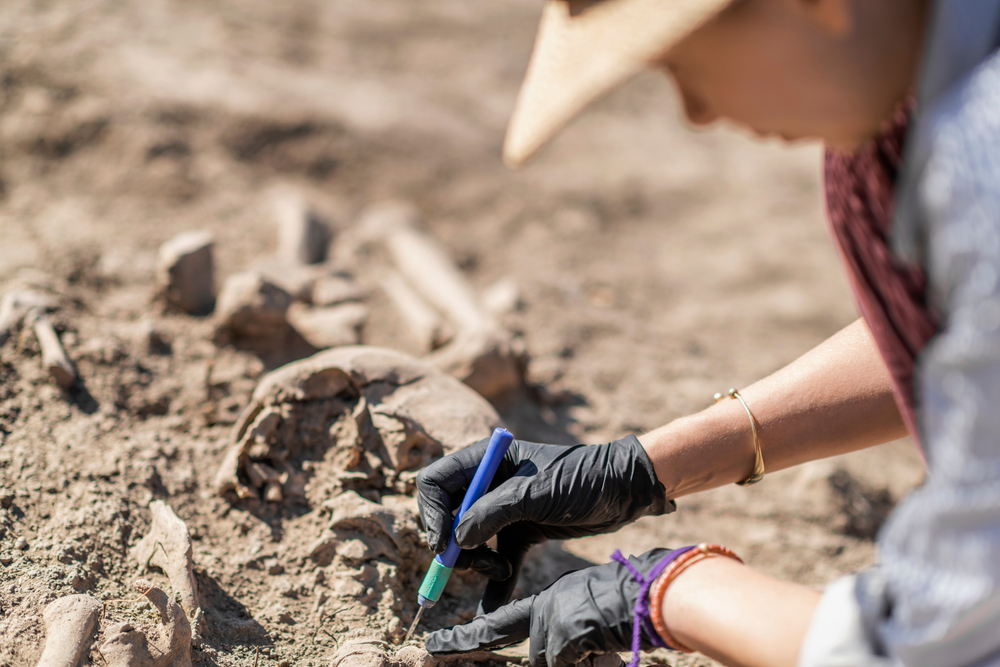

Everyday locations, like your home, the office, or a favorite local restaurant, may seem unremarkable. However, each place holds a hidden history that we may never fully understand. This is because there are often archaeological treasures hidden in the soil beneath these familiar settings, waiting to be discovered.
Many of these artifacts are in danger of being lost forever, but there is one way to save them. Rescuing these cultural treasures is essential to prevent them from being erased entirely. This is the basis for the practice known as “rescue archaeology.”
What Is Rescue Archaeology?
Rescue archaeology, also known as salvage archaeology or preventive archaeology, involves excavation in areas with significant cultural resources before construction begins. It requires immediate action and differs from the slower pace of traditional research-oriented excavations.
What Initiated Rescue Archaeology in the U.S.?
The need for rescue archaeology became evident in the U.S. as infrastructure and industrialization expanded in the late 19th and early 20th centuries. Legislation such as the Antiquities Act of 1906 and the Historic Sites Act of 1935 laid the groundwork for preserving cultural heritage.
The need for further measures arose after World War II, especially with the development of the U.S. Interstate Highway System in the 1950s. In response, Congress passed the National Historic Preservation Act of 1966, which established a comprehensive preservation policy. A crucial component of this act is Section 106, which requires federal agencies to consider the impact of projects on historic properties.
Read More: 6 Famous Archaeologists You Need to Know About
When Does Rescue Archaeology Occur?
Rescue archaeology must be conducted before projects can commence on public land. Archaeologists conduct surveys to identify any cultural resources that might be affected. If necessary, projects can be redirected to avoid damaging important sites. If this is not possible, archaeologists must excavate and preserve the site before construction begins.
Unearthing History: Private Property Discoveries
Discoveries of artifacts on private property follow a different process. State Archaeologist Mark Doperalski from the New Hampshire Division of Historical Resources frequently receives reports from residents who believe they have found significant relics on their property.
While many of these finds are not historically important, some residents have stumbled upon genuine archaeological treasures during construction projects. In such cases, Doperalski becomes involved. A notable example is when a homeowner unearthed a 9,000 to 12,000-year-old Paleoindian site while installing a septic system.
Homeowners’ Rights and Responsibilities in Archaeological Finds
The fate of most finds on private property is determined by the homeowner. Will the artifact be preserved for future generations, or will it be lost to time?