



Tsvetana Paraskova
Tsvetana is a writer for Oilprice.com with over a decade of experience writing for news outlets such as iNVEZZ and SeeNews.
Find Out More
Premium Content
By Tsvetana Paraskova – Jan 23, 2024, 6:00 PM CST
- The disruption to traffic via the Red Sea/Suez Canal route could continue for months.
- The higher freight costs and the delays in deliveries could reignite inflation.
- Central bank interest rate cuts could be delayed by a few months if monetary policymakers see an uptick in inflation.
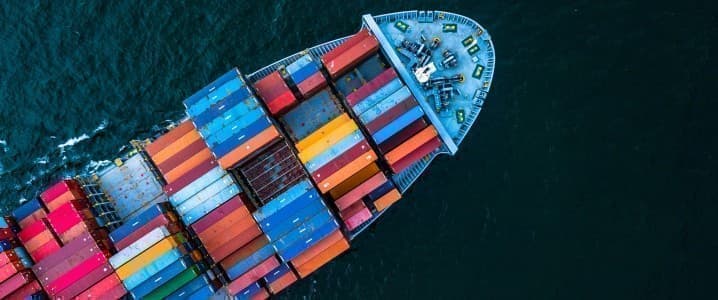
The Houthi attacks on commercial shipping in the Red Sea have forced many tanker and container ship operators to reroute voyages via Africa, which has increased travel times, delayed goods delivery, disrupted supply chains, and raised shipping costs.
The disruption to traffic via the Red Sea/Suez Canal route could continue for months and ultimately result in sustained higher freight costs and a shortage of container ships, which are now bound on longer routes via the Cape of Good Horn, analysts say.
The current chaos is likely to continue for weeks—or months—until the shipping and maritime transportation industry settles on a “new normal”.
Until then, the higher freight costs and the delays in deliveries could reignite inflation and make the road to easing interest rates bumpier than central banks thought it would be a month ago.
Red Sea Traffic Diverted
Traffic via the Suez Canal has nosedived since the middle of December, per data from PortWatch, a platform launched by the International Monetary Fund (IMF) in partnership with Oxford University.
The route saw last week the lightest vessel traffic since April 2021, when container carrier Ever Given ran aground in the Suez Canal, blocking shipping in both directions.
Oil tanker traffic has also been impacted by the threat to commercial shipping near the Bab el-Mandeb Strait and the Red Sea, prompting oil majors and top trading houses to divert traffic to the longer route via Africa.
Shell was the latest to halt all shipments via the Red Sea last week. In the middle of December, another UK-based supermajor, BP, temporarily suspended all shipments via the route, “in light of the deteriorating security situation for shipping in the Red Sea.”
Oil shipments out of the Middle East are also being delayed as tankers have turned away from their original route via the Suez Canal. As of January 19, tankers carrying nearly 9 million barrels of oil from Saudi Arabia and Iraq were estimated to be delaying their deliveries as they have diverted away from the Red Sea, and are now headed on the longer route via Africa, Bloomberg vessel-tracking data showed.
The route via the Cape of Good Hope in Africa will increase the voyage time between the Middle East and Europe by about two weeks compared to the Suez Canal route.