

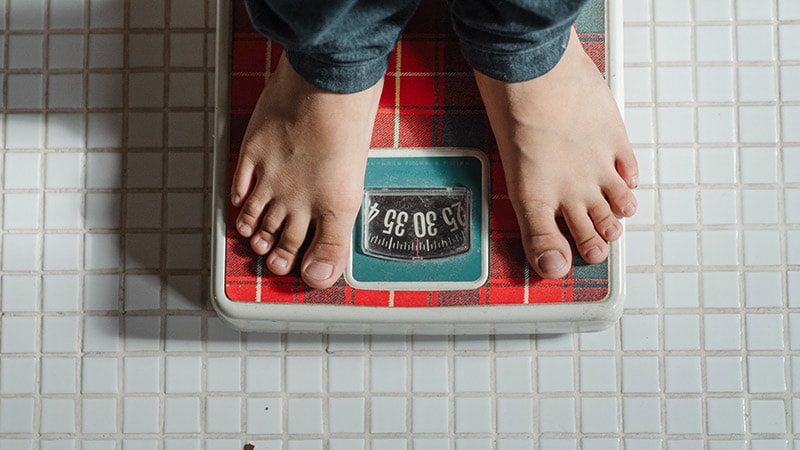

Lockdown measures during the COVID-19 pandemic had a profound impact on the health of primary school children in England. Researchers have found that as a result, the number of obese and overweight children has sharply increased. This worrying trend could lead to additional healthcare costs running into millions of pounds over their lifespans. According to researchers at the University of Southampton, pandemic restrictions have disrupted children’s healthy eating habits, sleep patterns, and physical activity, contributing to this concerning rise in childhood obesity.
Using data from the National Childhood Measurement Programme, the analysis revealed a significant increase in the prevalence of overweight and obesity among primary school children. Specifically, the study found that children in reception year experienced a rise in overweight and obesity prevalence from 9.9% in 2019-2020 to 14.4% in 2020-2021. The increase disproportionately affected children in the most deprived areas of the country, particularly those from Black and South Asian backgrounds. The authors warn that this is an issue of social justice, with significant implications for the affected individuals, policymakers, and the broader UK society.
The researchers estimated that the additional healthcare cost for this cohort could be substantial, amounting to £800 million for the treatment of persistent obesity and related long-term conditions such as type 2 diabetes, hypertension, and coronary artery disease. The wider costs to society were projected to reach £8.7 billion, highlighting the far-reaching impact of this issue. Overall, the study raises important concerns and emphasizes the urgency of addressing childhood obesity to mitigate its long-term consequences.
For more information, you can read the full article here.