

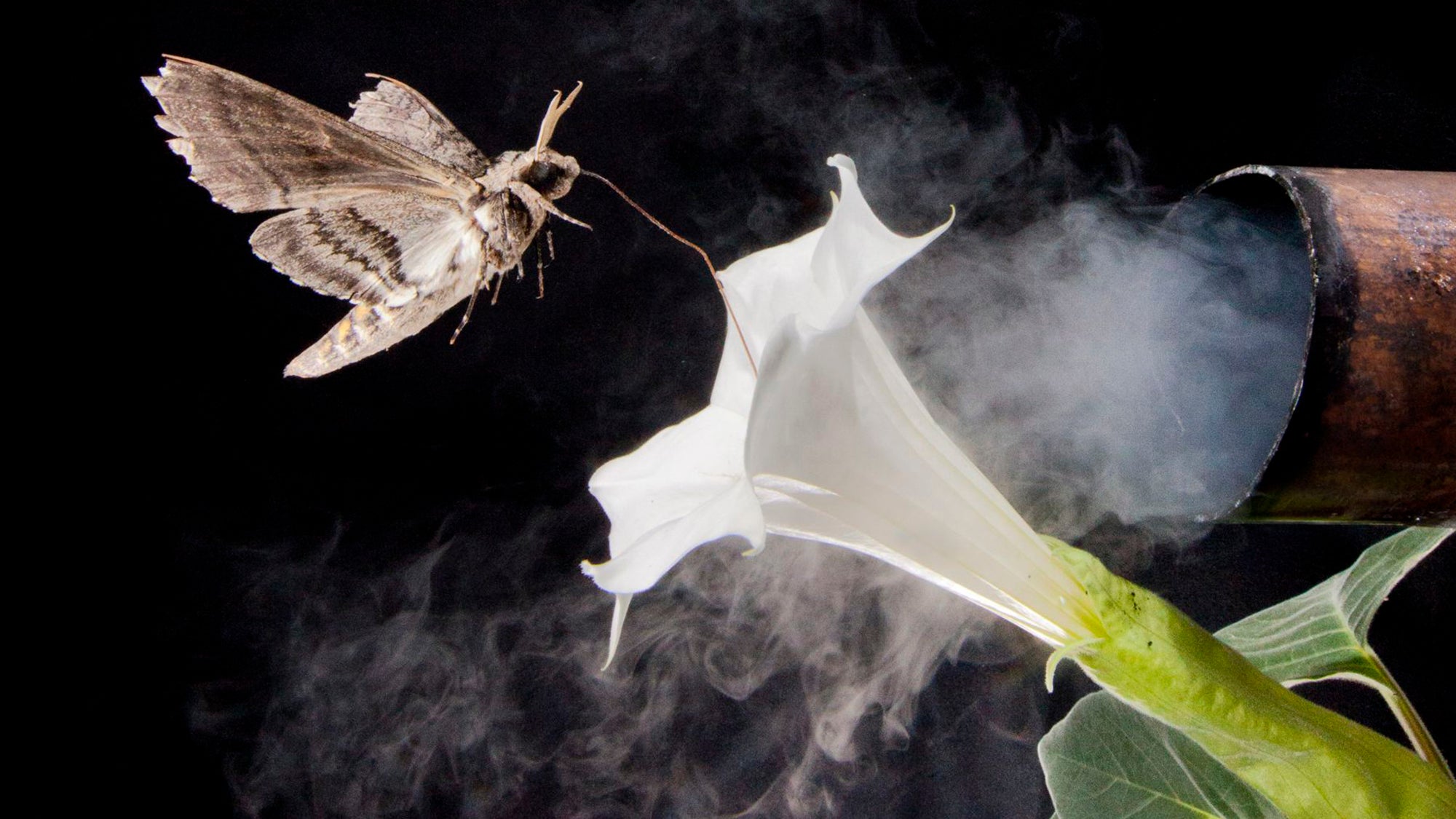

Recent research has revealed that the emissions from car exhaust have a significant impact on pollination. The byproducts of these emissions are causing disruptions in the ability of insects to locate flowers by degrading the floral scents they use for this purpose.
By altering the chemical composition of the environment, car exhaust is interfering with the natural processes of pollination that are essential for the survival of many plant species. This finding sheds light on the unforeseen consequences of human activities on the delicate balance of ecosystems.
The Impact on Insect Behavior
Insects, such as moths, rely on floral scents to locate their food sources and potential mates. The degradation of these scents due to car exhaust byproducts confuses the insects, leading to a disruption in their foraging and reproductive activities. This disturbance in insect behavior can have far-reaching effects on the pollination of plants and the overall biodiversity of ecosystems.
A Shift in Environmental Dynamics
The research suggests that the increase in car emissions is contributing to a shift in environmental dynamics, where the natural cues that insects rely on are being altered. This change can have cascading effects on plant populations, as pollination is a crucial factor in their reproduction and survival.
It is essential to consider the implications of human activities on the natural world and take steps to mitigate the impact of car exhaust on pollination. By understanding the interconnectedness of species and ecosystems, we can work towards preserving the delicate balance of the environment for future generations.
Exploring the significance of floral scents beyond just human enjoyment reveals a fascinating world of biological communication between plants and pollinators. Flowers emit fragrances to attract insects and animals for pollination, a crucial process for plant reproduction. However, a recent study published in the journal Science on February 8 sheds light on how air pollution disrupts this floral signaling system.
The study examined the effects of ozone (O3) and nitrate radicals (NO3) on the ability of moths to detect and pollinate evening primrose flowers at night. These pollutants, common in car exhaust and fossil fuel emissions, interact with the key chemicals in the flower’s scent, reducing its attractiveness to moths. As a result, fewer moths visit primrose flowers, impacting the plants’ ability to reproduce. This research highlights the broader consequences of air pollution on ecosystem dynamics and food security.
Jeff Riffell, a biology professor at the University of Washington and co-senior author of the study, emphasizes the critical role of pollinators in maintaining plant fitness and ecosystem balance. Disrupting pollination can have ripple effects across entire ecosystems, affecting not only plants but also human food sources.
Pollution manifests in various forms, not just as direct chemical spills. Sensory pollution, such as light and noise disturbances, can also harm animals in unexpected ways. Urban lights can disorient birds, leading to collisions, while loud noises from boats can harm marine life. Similarly, altering animals’ olfactory environments through air pollution can interfere with their ability to smell and navigate their surroundings.
This study builds on previous research demonstrating the impact of air pollution on pollinators’ olfactory abilities. By understanding how pollution affects the intricate relationship between plants and insects, we can better address the broader environmental implications of human activities on biodiversity and ecosystem health.
 Image of Manduca sexta moth visiting paper flower emitting Oenothera flower scent. CREDIT: Image courtesy of Charles Hedgcock.Cutting-Edge Research on Moths and Pollution-Smelling Flowers
Exploring a Unique Moth and Flower Relationship
A recent study has made significant contributions to the scientific community by delving into the intricacies of a specific moth and flower system. This research stands out as one of the pioneering investigations to analyze this particular relationship in such depth. Moreover, the study sheds light on the specific chemical compounds that drive this interaction.
The Fascinating Connection Between Moths and Flowers
Moths play a crucial role in pollination, and certain species have developed a unique ability to detect and utilize chemical signals emitted by flowers. These signals help guide the moths to the flowers, ensuring successful pollination. The study uncovers the intricate mechanisms behind this process, highlighting the complex interplay of chemicals involved.
Implications for Environmental Conservation
Understanding the intricate relationship between moths and pollution-smelling flowers has significant implications for environmental conservation efforts. By unraveling the mechanisms that drive this interaction, researchers can develop strategies to protect these vulnerable species and their habitats. This knowledge can inform conservation policies and initiatives aimed at preserving biodiversity and ecosystem health.
The Future of Pollination Research
This research opens up new avenues for future studies on pollination dynamics and species interactions. By uncovering the unique relationship between moths and pollution-smelling flowers, researchers can expand their understanding of the diverse mechanisms at play in nature. This provides a foundation for further exploration into the intricate web of connections that shape our ecosystems.
In conclusion, the recent study on moths and pollution-smelling flowers represents a significant milestone in scientific research. By shedding light on this unique relationship and the chemical compounds involved, the study paves the way for future investigations into pollination dynamics and species interactions. This newfound knowledge has important implications for environmental conservation and underscores the importance of preserving biodiversity in our ecosystems.