


Unearthing an Ancient Discovery: The Roman God Mercury and the Revelations of a Lost Settlement
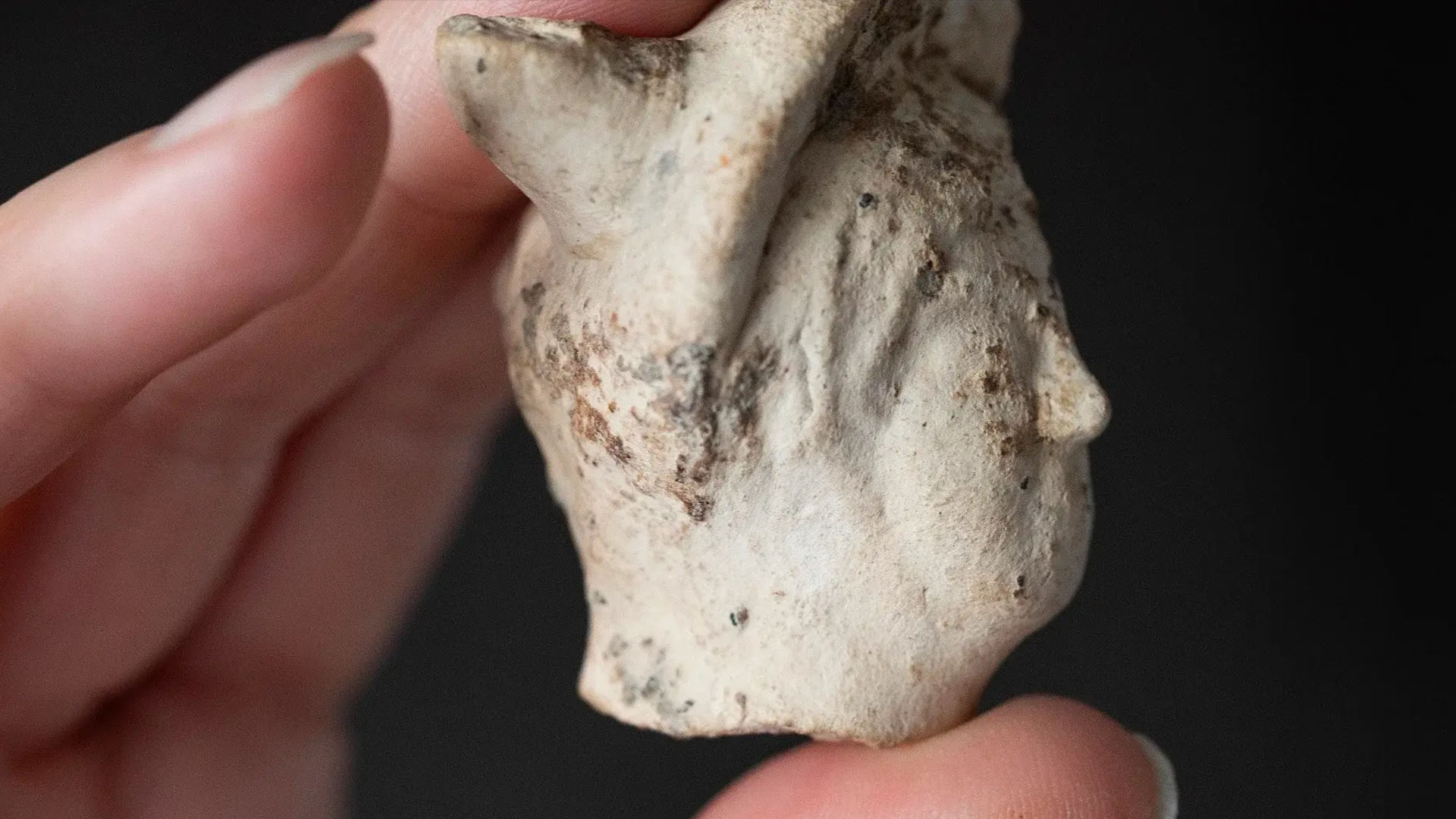
A remarkable archaeological find in Kent, England has shed light on a previously unknown Roman settlement, all discovered through a 2,000-year-old clay head depicting Mercury, the Roman god associated with fine arts, commerce, and financial prosperity. The head was unearthed at Smallhythe Place, a historical site renowned for shipbuilding during medieval times. This unexpected discovery has provided valuable insights into the existence of a Roman settlement that thrived between the first and third centuries.
The excavation at Smallhythe Place has yielded a plethora of artifacts, with the clay head of Mercury being a standout find. This “incredibly rare” discovery, along with other artifacts, indicates the presence of a Roman community in the area centuries ago. The significance of this finding underscores the rich historical tapestry of Kent and its ancient inhabitants.
Traditionally, Mercury figurines were crafted from metal, making the discovery of a pipe-clay representation of the deity a notable departure from the norm. Pipe-clay, a fine white clay used in making tobacco pipes in later centuries, was an unexpected material for creating Mercury figurines. This type of clay was typically sourced from central Gaul, in what is now modern-day France, and the Rhin-et-Mosell region. The rarity of pipe-clay figurines in Roman Britain, with fewer than 10 known examples, further emphasizes the uniqueness of this discovery.
During the Roman era in Britain, both commoners and the elite would often worship figurines of deities like Mercury in their homes, as religion played a central role in daily life. The Mercury figurine found at Smallhythe Place likely portrayed the god in one of two common poses: either draped in a short cloak called a chlamys or depicted naked while holding a caduceus, a symbol associated with medicine due to its representation of twisted snakes. The representation of Mercury in this manner offers a glimpse into the religious practices of ancient Britons during Roman rule.
The head of Mercury and other artifacts uncovered at the site will be showcased to the public starting February 28 at Smallhythe Place, providing visitors with a firsthand look at this fascinating piece of history.
Laura, the archaeology and Life’s Little Mysteries editor at Live Science, oversees captivating discoveries from around the world. Her expertise in reporting on various scientific topics, including paleontology, has garnered recognition from prestigious journalism organizations. Laura’s academic background in English literature and psychology, coupled with a master’s degree in science writing, reflects her commitment to sharing engaging stories with audiences worldwide.
Discover More: Unveiling the Mysteries of a Lost Roman Settlement
Experience the intrigue and wonder of the ancient world with the unveiling of Mercury’s clay head and the secrets it holds about a forgotten Roman community in the heart of Kent. Explore the rich history of Smallhythe Place and immerse yourself in the artifacts that illuminate the past in vivid detail.
For further information and to delve deeper into this captivating discovery, click the link below:
Read More