

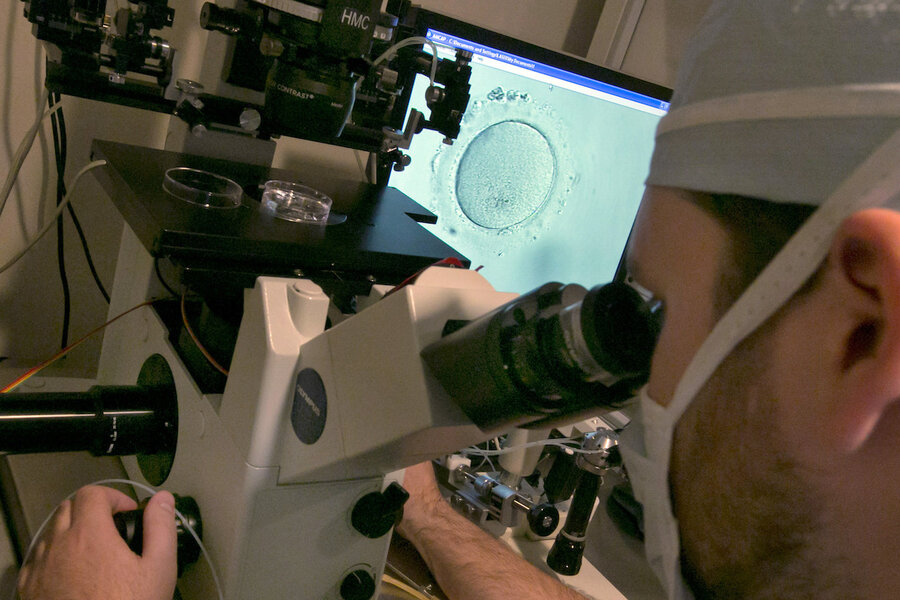

Alabama Supreme Court Decision Sparks Concerns for IVF Industry
Alabama’s recent Supreme Court ruling, which permits parents to sue for the wrongful death of their minor children, including embryos, has sent shockwaves through the state’s in vitro fertilization (IVF) industry. The decision has led to several fertility clinics halting their IVF procedures, creating uncertainty for doctors and patients alike.
The ruling, backed by Republican judges, has raised questions about the legalities surrounding the storage, transport, and use of embryos. With the potential liability for destroyed or lost embryos looming, stakeholders are left grappling with how to navigate this new legal landscape.
Legislative Response to Protect IVF Industry
In response to the court’s ruling, Alabama state Senator Tim Melson, a Republican and doctor, announced plans to introduce legislation safeguarding the IVF industry and families utilizing these services. This move comes in the wake of uncertainty surrounding the future of IVF practices in the state. Additionally, House Minority Leader Anthony Daniels, a Democrat, has introduced a bill countering the court’s decision by affirming that fertilized human eggs and embryos outside the uterus are not considered unborn children under state law.
Political Backlash and Calls for Action
As expected, the ruling has triggered a swift political response. Republicans, already under scrutiny on abortion rights issues, are seeking to mitigate the fallout. Former President Donald Trump urged the Alabama legislature to find a solution to preserve IVF treatments in the state, highlighting the importance of fertility treatments for couples.
Meanwhile, Democrats are seizing on the opportunity to make abortion and IVF central issues in the upcoming elections. Senator Elizabeth Warren emphasized the significance of these issues, implying that they would feature prominently in the November ballot. President Joe Biden and the White House have condemned the ruling, with Press Secretary Karine Jean-Pierre asserting that IVF is currently under threat and urging Congress to take action to protect these reproductive rights.
Looking Ahead
Despite the White House’s criticism of the Alabama ruling, there are limited options for challenging it through executive orders. The focus remains on raising awareness and advocating for legislative protections to safeguard the future of the IVF industry in Alabama.
In conclusion, the recent Alabama Supreme Court decision has sent shockwaves through the IVF industry, sparking concerns about the legal implications for doctors, patients, and fertility clinics. The political landscape is shifting as Republicans and Democrats respond to the ruling, setting the stage for a potential showdown over reproductive rights in the upcoming elections. As stakeholders navigate this uncertain terrain, the future of IVF in Alabama hangs in the balance.