


Astronomers Uncover Three New Moons in the Solar System
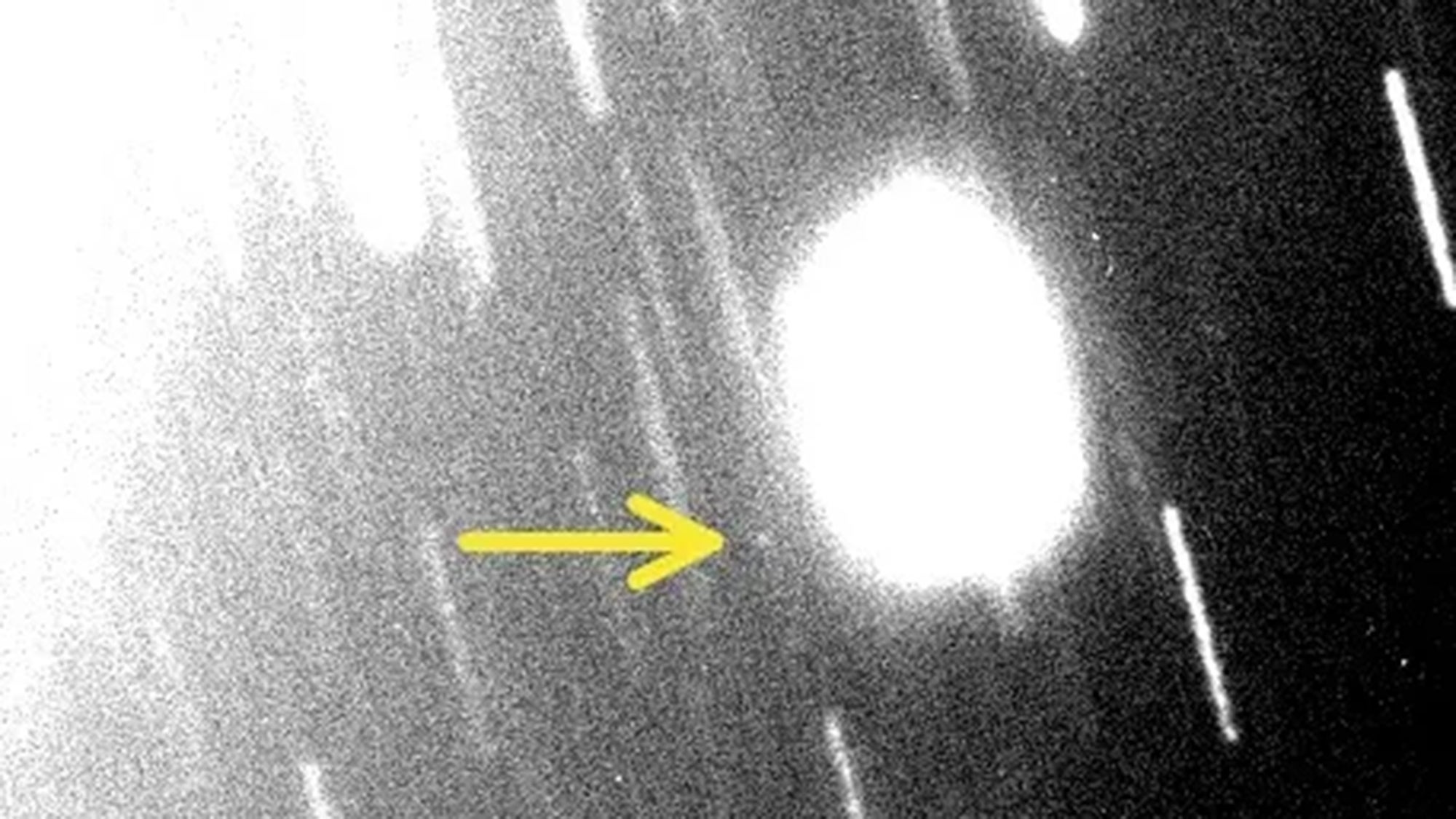
A recent discovery by a team of international researchers has added three new moons to our solar system, marking significant progress in our understanding of celestial bodies. The Minor Planet Center, a scientific body responsible for identifying comets, planets, and moons in our solar system, announced the finding of a new moon orbiting Uranus and two moons circling Neptune.
Unprecedented Findings
The latest moons, which have been identified as the faintest ever discovered around the ice giant planets, were spotted using ground-based telescopes. Scott S. Sheppard, an astronomer from the Carnegie Institution for Science who played a significant role in the discovery, emphasized the challenges in detecting such faint objects. He highlighted the importance of specialized image processing techniques in uncovering these elusive moons.
Uranus’ New Addition
As a result of the recent discovery, Uranus now boasts a total of 28 known moons. The newly discovered moon, temporarily named S/2023 U1, is set to receive a permanent name inspired by a character from a Shakespearean play. This naming tradition aligns with other Uranus moons such as Puck, Titania, and Oberon, referencing works like “A Midsummer Night’s Dream.” With a diameter of just five miles, S/2023 U1 orbits Uranus every 680 days, making it one of the smallest moons known to date.
The Neptunian Moons
Having expanded Neptune’s moon count to 16, the recent discoveries include two new satellites. The brighter of the two, tentatively named S/2002 N5, measures 14 miles in diameter and orbits Neptune every nine years. On the other hand, the fainter companion, named S/2021 N1, has a diameter of around 8.6 miles and follows a 27-year orbit around the planet. Both moons will eventually be given names inspired by sea gods and nymphs from Greek mythology.
Discovery Breakthroughs
The initial sighting of the two Neptunian moons occurred in September 2021, with Shepherd collaborating with a team of researchers to confirm their existence. Following observations and analysis, the orbit of the brighter moon, S/2002 N5, was traced back to an object initially spotted near Neptune in 2003. This breakthrough discovery sheds light on our knowledge of the moons orbiting distant planets, showcasing the advancements in astronomical research.
In conclusion, the recent addition of three new moons to our solar system highlights the ongoing discoveries and advancements in the field of astronomy. These findings not only deepen our understanding of celestial bodies but also underscore the importance of continued exploration and research in unraveling the mysteries of the universe.