

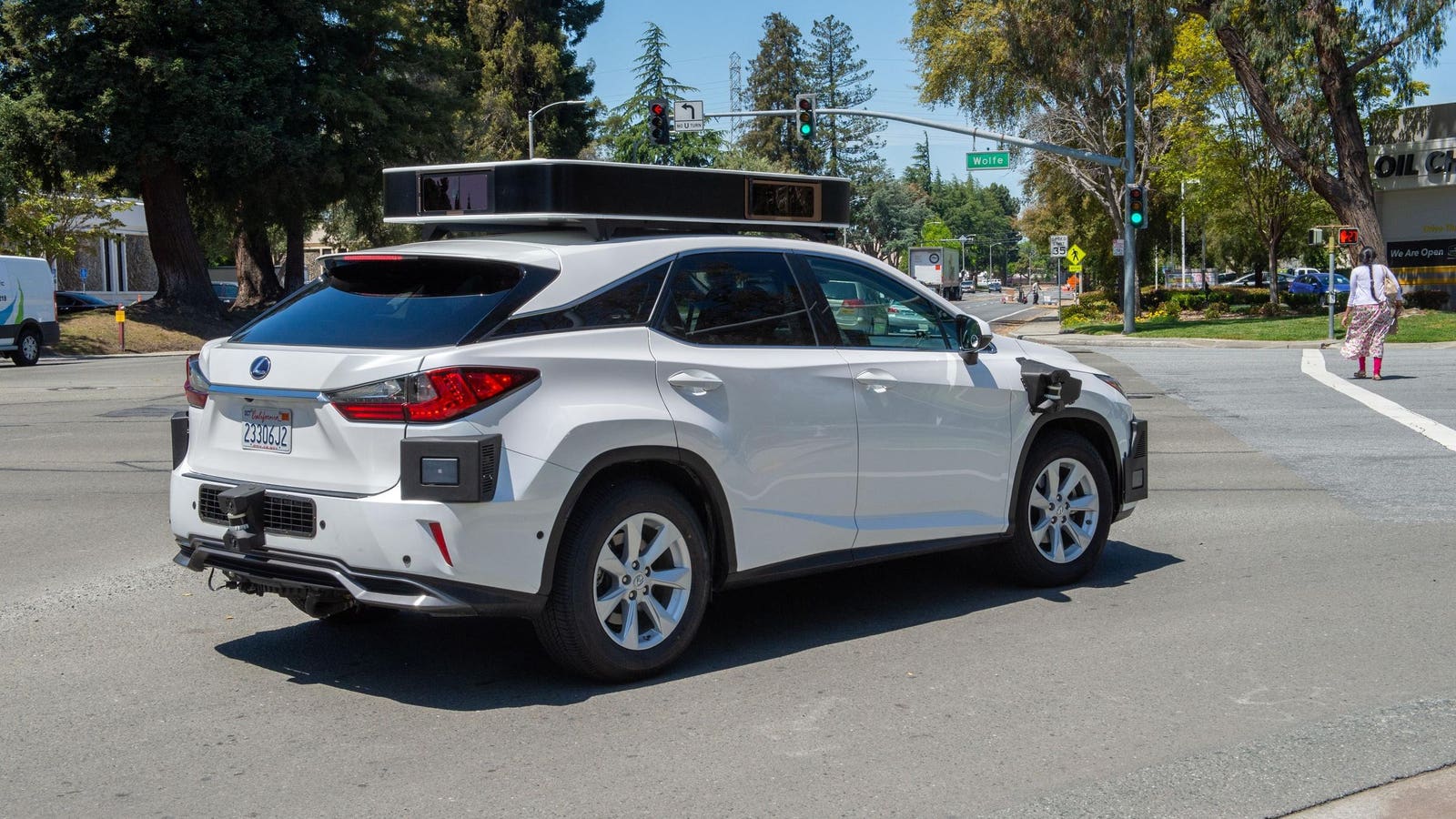

Apple’s Decision to Shift Focus from Electric Cars to Generative AI
In a surprising move, Apple has chosen to abandon its plans for entering the electric vehicle market. After years of speculation and anticipation about the launch of an Apple car, the tech giant has made a strategic decision to reallocate its resources towards other ventures. This announcement has significant implications in both the short term and the long term.
Short-Term Implications
One of the immediate questions that arises is, why the sudden change in direction? The answer lies in the realm of Generative AI, an area where Apple has fallen behind rivals like Microsoft’s OpenAI and Google’s Bard. By shifting its focus to this emerging technology, Apple aims to stay competitive and position itself for future growth, leaving behind its plans for electric vehicles.
Another short-term factor influencing Apple’s decision is the evolving market dynamics of electric vehicles, particularly at the high-end segment. While Tesla initially succeeded in using high-end vehicle sales to fuel its development, competitors like Lucid are now facing challenges with excess inventory. Apple, known for its long-term strategic vision, may have concluded that the high-end EV market is becoming overcrowded, making it difficult to differentiate and catch up to established players like Tesla and Lucid.
Long-Term Strategic Considerations
Looking ahead, the implications of Apple’s decision are even more profound, as it forfeits the opportunity to create a new ecosystem akin to the revolutionary impact of the iPhone. Apple’s success as the world’s most valuable company stemmed from its ability to redefine the purpose of a mobile device beyond mere communication. By integrating various customer experiences seamlessly, such as productivity and entertainment, Apple gained strategic control over the market, much like Microsoft did with PC operating systems in the past.
The concept of the motor car as an untapped integration point poses a lucrative opportunity for companies to reshape the automotive landscape. With advancements in connected vehicles and satellite connectivity, cars are evolving into entertainment hubs on wheels. The advent of autonomous vehicles further complicates the scenario, as driverless cars could transform commute time into a battle for capturing users’ attention and engagement.
In conclusion, Apple’s decision to prioritize Generative AI over electric vehicles marks a strategic shift towards emerging technologies with high growth potential. By recognizing the changing dynamics of the automotive and tech industries, Apple aims to stay ahead of the curve and solidify its position as a leader in innovation and strategic foresight.