

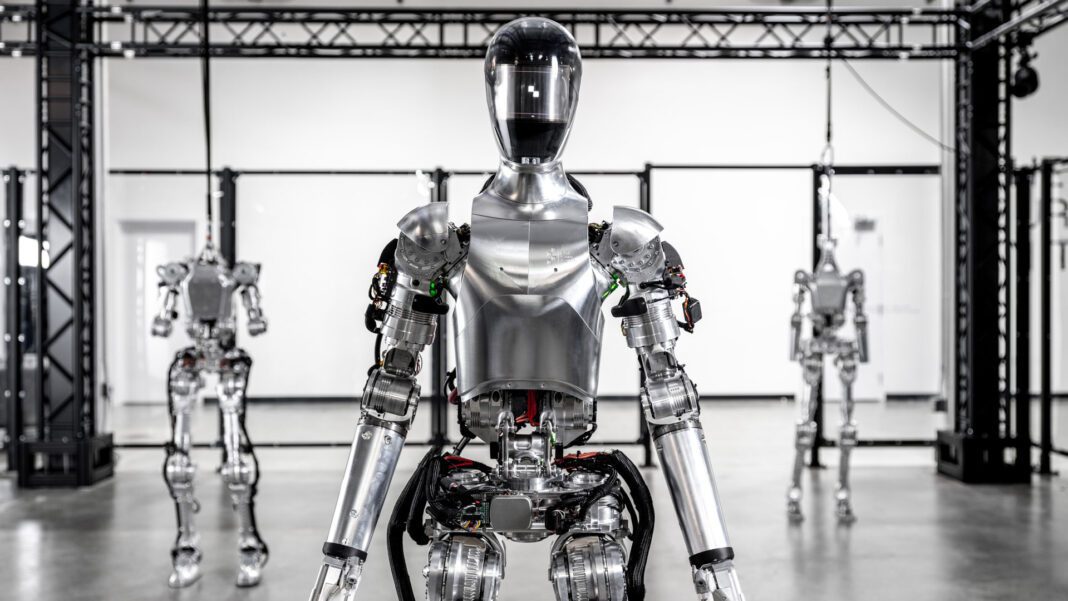
The Era of Humanoid Robots
Nowadays, there is a resurgence in the development of humanoid robots, with companies like Figure AI making significant strides in this field. A recent demonstration by Figure AI showcased their Figure 01 robot successfully brewing a cup of coffee using a Keurig machine. While the process may not be as efficient as a human doing it, the aspiration of Figure AI to create a versatile humanoid robot is noteworthy.
This renewed interest in humanoid robots can be traced back to the success of robots like Boston Dynamics’ agile Atlas robot, Sophia from Hanson Robotics, and Ameca from Engineered Arts. These robots, along with Tesla’s Optimus Gen 2, have set the stage for a new wave of innovation in the robotics industry.
Figure AI, recently backed by funding from Jeff Bezos, OpenAI, and Nvidia, aims to combine the best features of existing humanoid robots into a futuristic design reminiscent of the robots seen in the movie “I, Robot” from 2004. Despite the hype surrounding these robots, the road to creating fully functional humanoid robots is long and challenging.
Ameca, with its lifelike appearance and ability to engage in conversations, showcases the potential of generative AI systems like Chat-GPT. However, developers of Ameca acknowledge that human intelligence still surpasses artificial intelligence, especially in situations where visual cues are crucial.
Similarly, Sophia from Hanson Robotics presents a blend of AI chatbot capabilities and pre-scripted responses, highlighting the intersection of AI and robotics in the modern era. The journey towards creating commercially viable humanoid robots like Figure 01 is a complex one that requires significant investment, engineering innovation, and a dedicated team.
In conclusion, the quest to bring humanoid robotics into everyday life is a challenging yet rewarding endeavor that will shape the future of technology. The success of companies like Figure AI in developing advanced humanoid robots signals a new chapter in the evolution of robotics.