

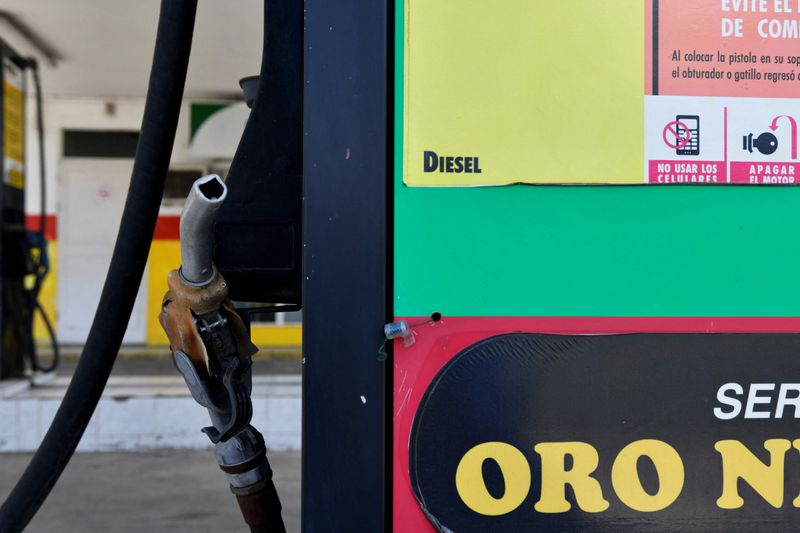

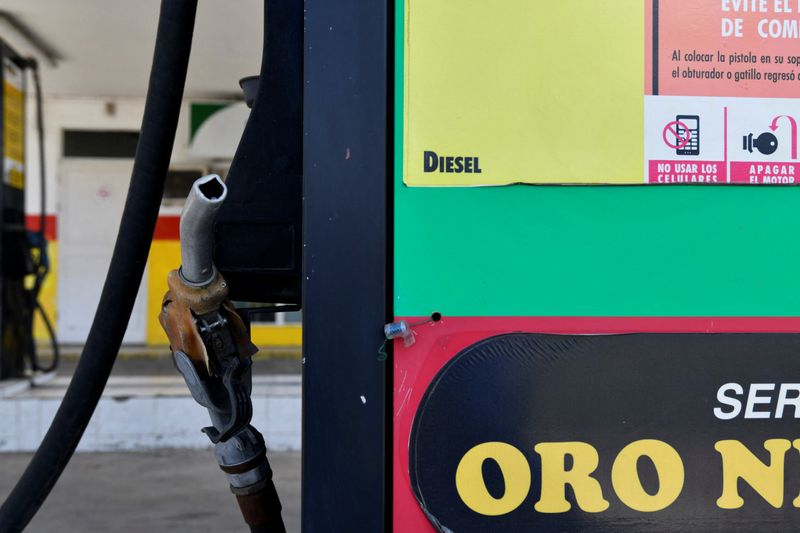
 © Reuters. FILE PHOTO: A pump is pictured at a petrol station, in Havana, Cuba, February 11, 2024. REUTERS/Norlys Perez/File photo
The Impact of Soaring Gas Prices in Cuba
By Dave Sherwood
In Havana, Cuban resident Luis Collado noticed a shorter line of vehicles on the waterfront, a rare sight in the bustling city. However, the relief of the short wait was overshadowed by a significant increase in the cost of fuel overnight. The Cuban government implemented a series of price hikes to stabilize the country’s struggling economy, causing prices to skyrocket.
Expressing his concerns, Collado mentioned that the surge in fuel prices would force him to cut back on driving and save more money. As a civil engineer residing in Havana, he acknowledged the necessity of the price adjustments.
“Gasoline in Cuba used to be the most inexpensive globally. We were essentially giving it away,” he remarked. “However, any rise in fuel prices should be complemented by an increase in wages.”
Previously, Cuba offered some of the cheapest fuel prices in the world, with a liter of “Special” gasoline costing just 30 pesos, less than 10 cents, based on the prevailing black market exchange rate. With the new pricing structure, a single 40-liter tank of fuel would now amount to 6,240 pesos, approximately $20, exceeding the average monthly state salary of 4,856 pesos, or $15.66 in 2023.
In an effort to mitigate prolonged power outages and fuel shortages on the crisis-stricken island, Cuban officials justified the fuel price hikes, including the introduction of dollar-denominated gasoline sales.
Government Measures and Public Response
In late December, Cuba announced a series of price increases for gasoline, public transportation, electricity, and cooking gas to address a growing fiscal deficit. While authorities defended these measures as necessary, critics raised concerns about potential inflationary effects and the timing of the policies.
By March 1, officials decided to restrict the fuel price hikes to the retail sector only, while continuing to subsidize essential services such as transportation to lessen the impact on consumers.
The adjustments in prices have forced Cuban citizens to adapt to the changing economic landscape, as they grapple with the mounting costs of basic necessities.