


The Influence of German Funding on Climate Groups’ Stance Toward Israel’s Actions in Gaza
Numerous climate organizations in the Global South have been financially supported by the German government, a strong ally of Israel, leading to a reluctance to openly criticize Israel’s military intervention in Gaza, as revealed by sources interviewed by Climate Home.
Financial Control and Silence
The German government wields financial influence over climate activists in developing countries, creating a situation where criticism of Israel’s actions in Gaza is stifled due to funding dependencies. This dynamic has resulted in a chilling effect, with individuals either being pressured to resign, having their contracts frozen, or facing the threat of losing funding if they speak out against Israel.
Impact of Gaza Conflict
The conflict in Gaza, which escalated with Hamas militants’ attack on Israel, has sparked a humanitarian crisis with a devastating loss of Palestinian lives. The repercussions of this violence have reverberated through the climate advocacy community, with German-funded organizations grappling with the delicate balance between humanitarian concerns and financial support.
Clampdown on Dissent
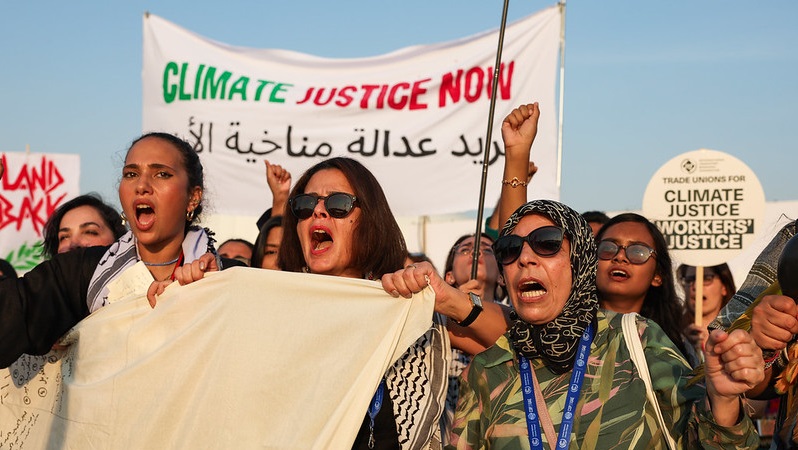
At the recent Cop28 climate summit, tensions between German and international activists came to the fore, with German groups distancing themselves from criticisms of Israel by Climate Action Network International. This rift underscores the challenges faced by climate campaigners in navigating the complex web of political allegiances and funding restrictions.
Threat to Funding
Numerous climate activists, speaking on the condition of anonymity, highlighted the fear among organizations of losing German funding if they speak out against Israel’s military actions in Gaza. The German development ministry explicitly states that it evaluates organizations it funds based on their actions and statements, with a particular focus on issues such as antisemitism and support for boycott movements against Israel.
Consequences of Speaking Out
Individuals within the climate advocacy sphere have faced repercussions for voicing criticism of Israel, with some seeing their funding jeopardized or contracts postponed. This coercive environment has created a sense of trepidation among activists, who are torn between upholding their principles and safeguarding their financial stability.
Navigating Political and Financial Pressures
As climate groups grapple with the ethical and financial implications of taking a stand on Israel’s actions in Gaza, questions arise about the broader implications of funding ties on advocacy work. The intersection of politics, funding, and activism raises thorny issues around freedom of speech and the ability to hold powerful actors to account.
In conclusion, the relationship between German funding and climate organizations in the Global South presents a complex landscape where financial dependencies can stifle dissent and limit the scope of advocacy efforts. As the Gaza conflict persists, the delicate balance between principles and pragmatism continues to shape the discourse within the climate advocacy community.