


Impact of Extreme Weather Events on Food Manufacturers
Food manufacturers are facing increasing challenges, including rising energy costs, and regulatory changes like the implementation of EUDR. Now, the impacts of climate change are adding to these pressures as extreme weather events threaten food security globally.
Wet Winters and Flood Damage
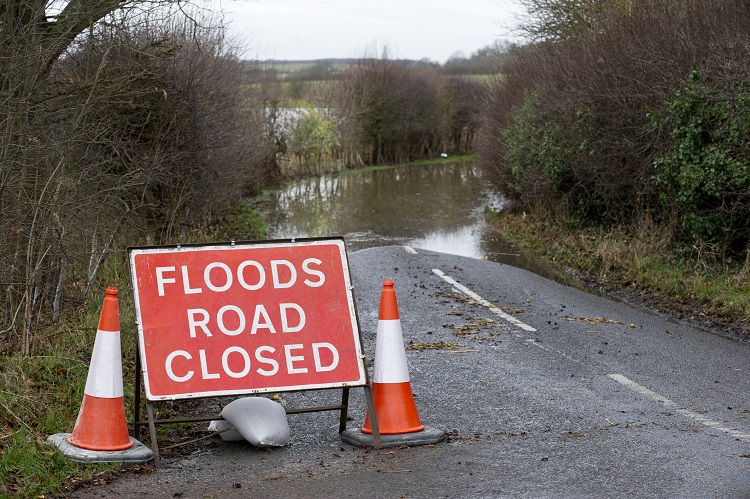
The UK has experienced unusually wet weather recently, with the winter of 2023 into 2024 being the eighth wettest on record. This has led to severe flooding across the country, affecting farmland and causing losses for wheat, barley, and vegetable farmers.
Chill Hours for Tree Growth
Certain types of trees require frost to fulfill their ‘chill hours’ – the cold hours needed for flowering and fruit production. Each fruit tree variety has specific chill hour requirements, ranging from as few as 100 hours to over 1000 hours. Without enough frost, fruit trees like apples and pears may struggle to grow properly.
Impact on Food Production
The devastating floods in the UK have had a significant impact on farms, causing financial stress and misery for many farmers. Some farms in Lincolnshire have been underwater since October, highlighting the severity of the situation.
Unusual Weather Patterns in 2024
In addition to the wet winter, February 2024 was the warmest on record for England and Wales. The overall temperature in the UK was the second warmest ever recorded. This abnormal weather pattern, with milder temperatures and less frost, is affecting the growth of fruit trees and could have long-term consequences for food production.
Future Outlook and Climate Projections
Experts warn that the trend for wetter winters is likely to continue due to climate change. While there may be variations from year to year, overall, winters are expected to become wetter, with drier summers. as the atmosphere warms and holds more moisture. Food manufacturers will have to adapt to these changing conditions to ensure the stability of their production processes.
In conclusion, extreme weather events are posing a significant threat to food manufacturers worldwide, requiring them to implement strategies to mitigate the impact of climate change on food production.