


Unprecedented Dengue Outbreak in Brazil: Impact on Vulnerable Communities
An exceptional surge in Dengue cases has been reported in Brazil, with the current outbreak being attributed to the unusually hot and rainy weather conditions. This outbreak is having a disproportionate impact on the country’s impoverished populations, highlighting the stark socio-economic disparities that exist.
Factors Contributing to the Record-Breaking Outbreak
The combination of high temperatures and heavy rainfall has created the perfect breeding conditions for the Aedes aegypti mosquito, which is the primary vector for Dengue fever. These environmental factors have led to a significant increase in mosquito populations, resulting in a surge of Dengue cases across various regions in Brazil.
Impact on Vulnerable Communities
The alarming rise in Dengue cases is disproportionately affecting disadvantaged communities, where access to healthcare and preventative measures is often limited. Poor sanitation and living conditions in these areas exacerbate the spread of the disease, making it difficult for residents to protect themselves from infection.
Challenges in Containing the Outbreak
Efforts to control the outbreak are being hampered by the lack of resources and infrastructure in vulnerable communities. The high cost of Dengue treatment and prevention measures further exacerbates the situation, making it challenging for low-income individuals to seek timely medical assistance.
Promising Local Vaccine on the Horizon
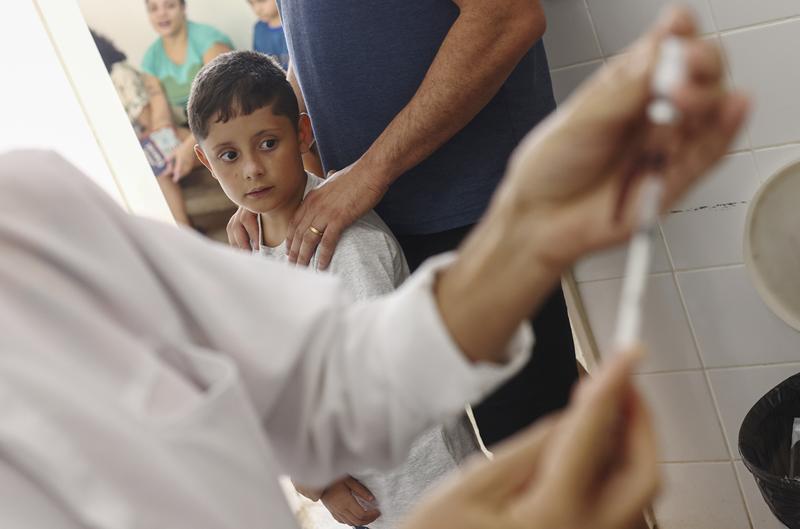
Despite the challenges posed by the current outbreak, there is hope on the horizon with the development of a promising local Dengue vaccine. While the vaccine is still in the testing phase, it is seen as a potential game-changer in the fight against Dengue fever in Brazil.
Future Preparedness and Response
To effectively combat future outbreaks, it is essential to prioritize investments in healthcare infrastructure and community education. Improving access to healthcare services and implementing proactive mosquito control measures are crucial steps in preventing the spread of Dengue fever in vulnerable communities.
The Urgent Need for Collective Action
Addressing the Dengue outbreak in Brazil requires a collective effort from government agencies, healthcare providers, and the community. By working together to implement comprehensive prevention strategies and improve access to healthcare, we can mitigate the impact of Dengue on vulnerable populations and prevent future outbreaks.