

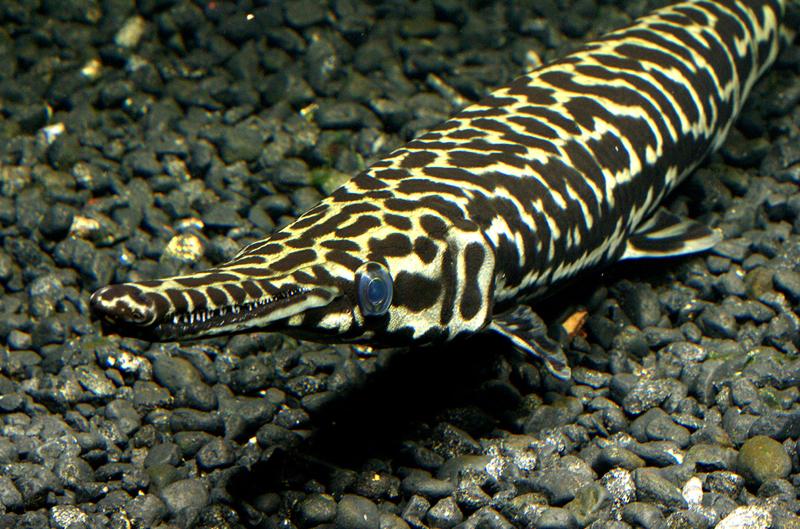

The Remarkable Genomes of Fish: A Story of Evolutionary Stability
In the world of genetics, fish stand out for their incredible genome stability. It is fascinating to note that even groups of fish whose last common ancestor dates back to the time of the dinosaurs can still produce fertile hybrids today. This phenomenon showcases the extraordinary resilience and consistency of fish genomes over millions of years of evolution.
Evolutionary Time Capsules: The Living Fossils
Fish have often been referred to as “living fossils” due to their genetic stability. These aquatic creatures have retained many ancient traits and characteristics from their ancestors, making them unique in the world of genetics. Despite the immense changes that have taken place in the natural world over millions of years, fish have managed to preserve their genetic makeup relatively unchanged.
Hybridization: A Testament to Genetic Continuity
One of the most intriguing aspects of fish genomes is their ability to produce fertile hybrids across different species. This phenomenon challenges the traditional notion of genetic divergence and speciation, as fish can effortlessly interbreed and produce viable offspring. The existence of fertile hybrids among fish species further emphasizes the remarkable stability and continuity of their genomes.
Adapting to Changing Environments: The Key to Success
The genetic stability of fish has played a crucial role in their ability to adapt to changing environments over time. By preserving key genetic traits, fish have been able to thrive in diverse habitats and overcome various challenges. This adaptability is a testament to the resilience and flexibility of fish genomes, allowing these creatures to survive and evolve in a rapidly changing world.
Looking to the Future: Insights from Fish Genomes
Studying fish genomes can provide valuable insights into evolutionary processes and genetic stability. By examining the genetic makeup of fish species, scientists can gain a better understanding of how organisms adapt and evolve in response to environmental changes. Fish genomes serve as a window into the past, offering valuable information about the mechanisms of genetic stability and evolutionary continuity.
In conclusion, the genomes of fish are truly remarkable for their stability and resilience. These aquatic creatures have stood the test of time, preserving ancient genetic traits and adapting to changing environments with ease. By unraveling the mysteries of fish genomes, scientists can gain valuable insights into the mechanisms of evolution and genetic continuity.