

Mongabay Releases New Edition of “A Perfect Storm in the Amazon”
Conservation Agriculture (CA) emphasizes the importance of saving continuously, investing in a diversified portfolio of assets, and practicing patience through a long-term strategy. This philosophy aims to merge modern agricultural technologies with traditional organic farming practices. Key components include multi-crop systems to reduce risks from weather, pests, and markets, as well as crop rotation to enhance soil organic matter and improve soil quality. Agroforestry systems, which incorporate deep-rooted perennials, not only benefit farmers by reducing costs and securing long-term revenue but also play a role in supporting regional rainfall through evapotranspiration.
While agribusiness has shown some inclination towards diversification and adoption of minimum tillage technologies, most farmers still lean towards industrial commodities like soy, maize, and cotton, along with genetically engineered varieties optimized for herbicide use. The prevalence of monoculture among large-scale farmers indicates a resistance to change despite the potential benefits of integrated production models like ILFP. These models combine row crops, livestock, and tree farms to optimize productivity and sustainability.
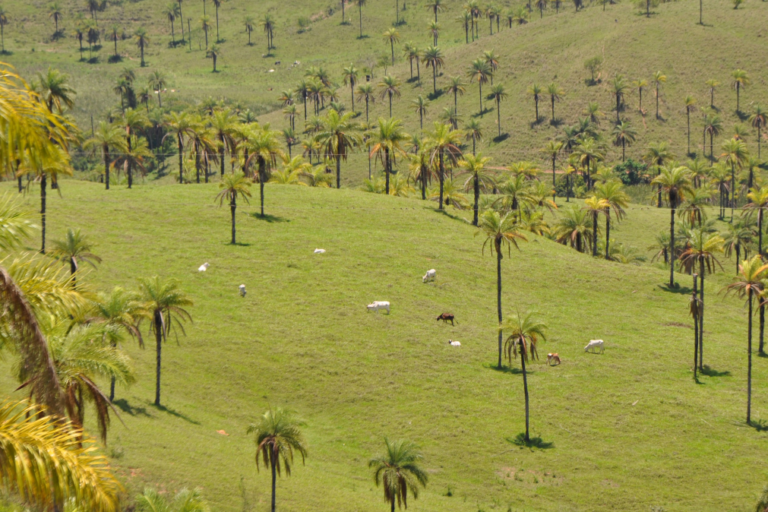
In terms of land management, ranchers may be more open to change due to underutilized land that has suffered from poor management. Collaborative efforts with farmers through joint ventures have been utilized to restore degraded pastures and improve overall land use practices.
Land-use intensification, or land sparing, is a strategy commonly embraced by corporate farms seeking to maximize profitability per hectare. Tree plantations, with their long-term returns and support for regional rainfall patterns through evapotranspiration, are particularly attractive in this regard.
Mongabay’s publication of “A Perfect Storm in the Amazon” in multiple languages serves as a valuable resource for understanding the complexities of sustainable land management practices and the challenges of reconciling modern agriculture with conservation efforts.