

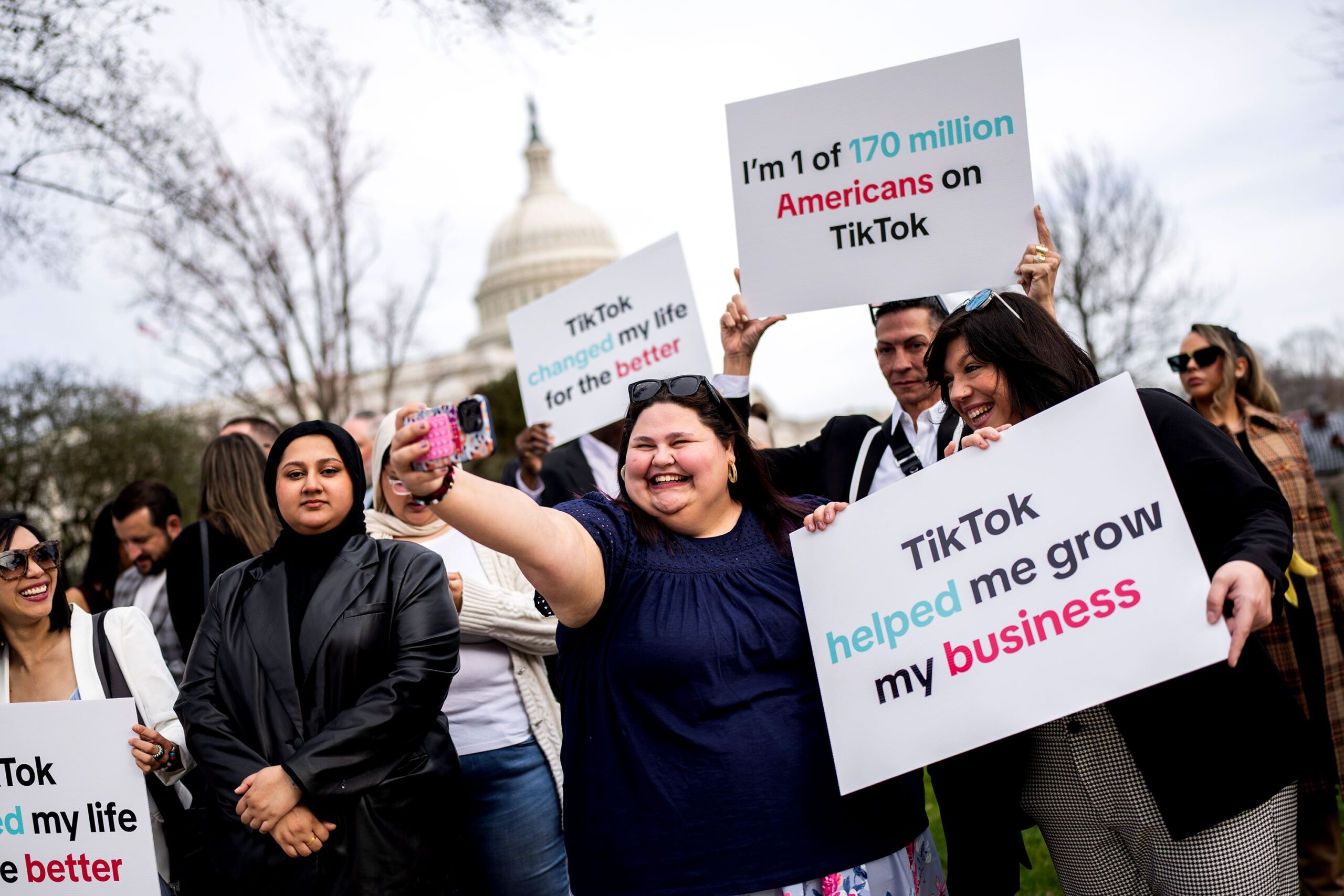

The Passage of a Bill to Ban TikTok in the US
In a significant move, the House passed a bill with a vote of 352-65 to potentially ban the popular video-sharing app TikTok. This legislation, known as the Protecting Americans From Foreign Adversary Controlled Applications Act, sets a precedent as the first bill seeking to outlaw an internet application. The primary objective of the bill is to restrict companies from distributing or hosting TikTok within the United States unless its parent company ByteDance, based in Beijing, divests its interest, thereby creating an opportunity for a Western company to acquire TikTok.
Both Republican and Democratic lawmakers express concerns that TikTok poses a national security threat, fearing that the Chinese government could force the app to disclose data on American users or spread propaganda. House Speaker Mike Johnson emphasized the potential dangers, stating that apps like TikTok enable the Chinese Communist Party to disseminate harmful content to American youth and engage in nefarious activities like collecting location data, purchasing habits, and sensitive personal information.
Despite TikTok’s denial of these allegations and its pledge not to collaborate with the Chinese government if requested to share data on its American user base, skepticism remains. The company has taken steps to store its US data on cloud servers managed by Oracle, based in Austin, in an effort to address data security concerns. TikTok’s public policy chief Michael Beckerman conveyed apprehensions about the rushed legislative process, citing constitutional issues in a letter to the sponsors of the PAFACA Act.
While President Joe Biden has indicated his support for the bill, its fate in the Senate remains uncertain. Senate Majority Leader Chuck Schumer has expressed the need for consultations with relevant committee leaders to determine the path forward. The bill has garnered support from Senate Intelligence Committee chairman Mark Warner and vice chairman Marco Rubio, who underscore the grave national security risks associated with TikTok and advocate for its prohibition.
In conclusion, the House’s approval of the bill to potentially ban TikTok underscores the bipartisan concern over the app’s alleged ties to the Chinese government and the perceived threats to national security. The decision now rests with the Senate, where further deliberations will determine the fate of TikTok in the United States.