

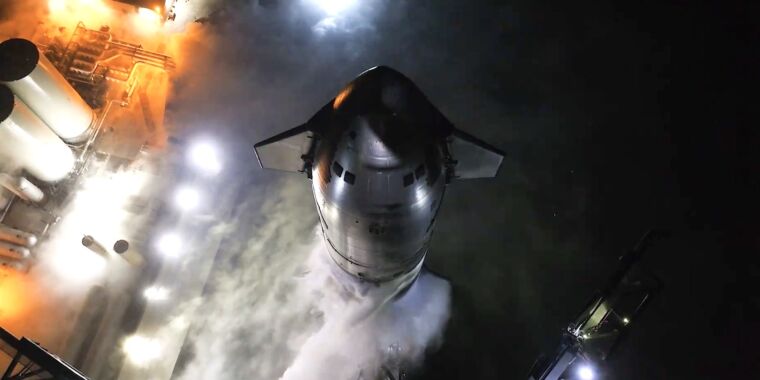

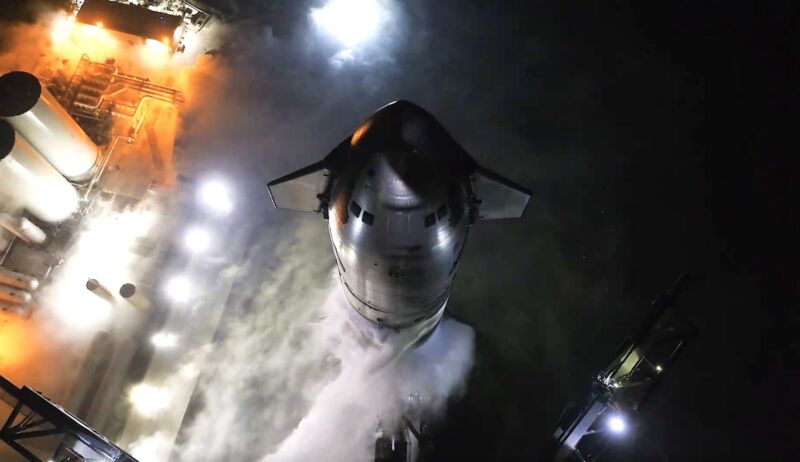
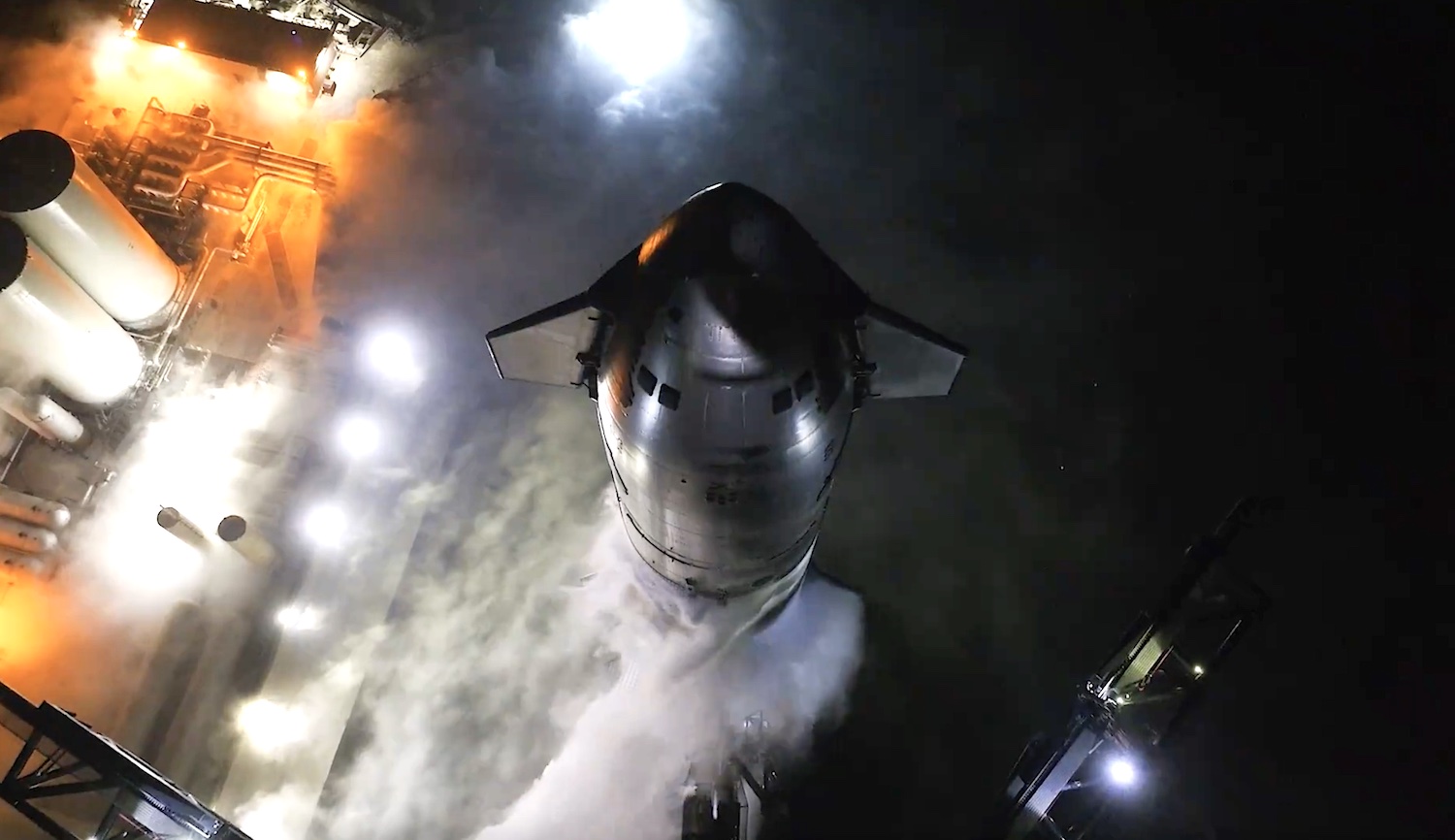
View Larger Image / SpaceX recently conducted a countdown dress rehearsal for its third flight-ready Starship rocket.
FAA Approval for SpaceX’s Starship Launch
On Wednesday, the Federal Aviation Administration announced the approval of a commercial launch license for SpaceX’s upcoming third full-scale test flight for the enormous Starship rocket.
With this recent development, SpaceX is now cleared to launch the Starship from its South Texas location after fulfilling all necessary regulatory requirements. The launch, which is set to occur on Thursday morning, marks the next phase following two successful test launches conducted last year.
The Starship rocket, along with the Super Heavy booster, is scheduled to launch from the Starbase test site on the Texas Gulf Coast, situated just north of the US-Mexico border. The launch window opens at 7 am CDT (12:00 UTC) on Thursday and extends for a duration of 110 minutes.
According to the regulatory agency, “The FAA determined SpaceX met all safety, environmental, policy, and financial responsibility requirements” for this upcoming launch. The granted license encompasses all stages of the proposed OFT-3 (Orbital Flight Test-3) operation, including preflight preparations, liftoff, and subsequent water landings in the Gulf of Mexico and the Indian Ocean.
Launch Details and Changes
This launch represents a significant milestone for SpaceX, as it will be the first time that the company targets the Indian Ocean for the Starship splashdown. Previous tests had planned for a splashdown in the Pacific Ocean, but the trajectory has been adjusted for additional test objectives, such as the inaugural restart of a Raptor engine in space.
A comprehensive environmental assessment was conducted by the FAA to evaluate the impact of a Starship reentry and water landing in the Indian Ocean. Following the review, federal officials approved SpaceX’s proposal.
Weather Conditions and Visibility
If the launch occurs at the start of Thursday’s window, it will take place approximately 40 minutes before sunrise at Starbase. This event would mark the first night launch of the Starship, with potential for sunlight to illuminate the rocket’s engine plumes during its ascent into the upper atmosphere.
Twilight launches are known for producing a stunning “jellyfish” effect caused by sunlight reflecting off ice crystals in the rocket’s exhaust trail. Clear skies would enhance this visual spectacle, potentially making the launch visible from distant locations like Houston and other parts of the Gulf Coast.
As for the weather outlook at Starbase, conditions appear favorable with minimal cloud cover and no predicted thunderstorms. However, breezy conditions with winds ranging from 20 to 30 mph are expected overnight leading into Thursday.
Source: Ars Technica