

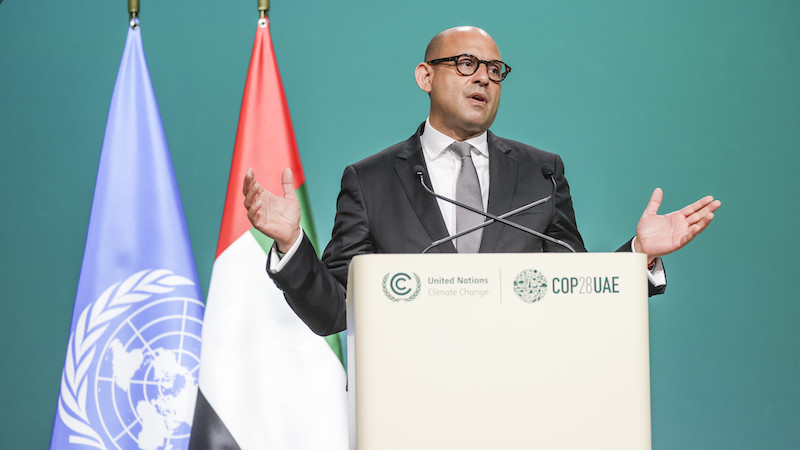

UNFCCC Chief Calls for Immediate Government Funding Support
The UNFCCC is currently facing significant financial difficulties, jeopardizing its ability to effectively carry out its expanding responsibilities due to insufficient funding from governments. Simon Stiell, the executive director of the UNFCCC, urgently appealed to over 40 ministers and negotiators at a recent climate summit in Denmark for increased financial support to address these challenges.
Financial Struggles of the UNFCCC
Stiell emphasized the pressing financial predicament faced by the organization, stating that the current budget falls short of meeting the increasing demands placed on the UNFCCC. He stressed the crucial role of funding in facilitating the tasks agreed upon by member countries and highlighted that the current budget shortfall is alarming.
Budgetary Needs
The UNFCCC has projected a requirement of €152m ($165m) for the 2024-2025 period to effectively carry out various activities mandated by member countries. However, the agreed core budget of €74m ($80.4m) set at the Bonn meeting last June failed to cover the necessary expenses, leaving a significant gap of €78m ($85m) to be filled through voluntary contributions.
Challenges and Consequences
The shortage of funds has led to a sense of uncertainty and concern among UNFCCC staff, who are forced to navigate emergency situations with limited resources and no long-term financial security. The organization has repeatedly cautioned governments about the risks associated with relying solely on voluntary donations, emphasizing the importance of stable funding for sustaining critical operations.
Current Funding Status
Despite efforts to secure financial support, the UNFCCC has only managed to secure less than $9m in voluntary donations this year. Major contributions have been made by the United Kingdom, the Open Society Foundations, the Rockefeller Foundation, and Germany, with additional efforts underway to collect overdue compulsory contributions from member countries.
Addressing the Financial Crisis
The UNFCCC is urging governments to prioritize financial support to ensure the sustainability of its operations and prevent disruptions to essential activities such as climate finance negotiations and adaptation planning. The organization’s plea for immediate funding assistance underscores the critical need for long-term financial stability to effectively address global climate challenges.
In Conclusion
The financial challenges faced by the UNFCCC highlight the urgent need for governments to fulfill their funding commitments and provide the necessary resources for the organization to carry out its vital functions. Without adequate financial support, the UNFCCC’s ability to address key climate issues and meet international climate goals is at risk, underscoring the importance of immediate action to safeguard the long-term sustainability of global climate efforts.