


(RNS) — Four years ago, in the beginning of the pandemic, I invited high school and college graduates to send me their speeches they would never give, as their graduation ceremonies had been obliterated by COVID-19. One high schooler responded with a speech that said, in part:
“Just like with each of the trying times of student life, there is a carefully embedded lesson that comes with graduating. … Maybe it’s realizing the importance of family ties, our friendships, or self-care,” wrote Asna Tabassum, valedictorian at Ruben S. Ayala High School in Southern California. “To me, this prospect of a deeper meaning is pretty reassuring. … In fact, there’s a comforting hadith from the Prophet Muhammad (saw) about this: ‘What has reached you was never meant to miss you, and what has missed you was never meant to reach you.’”
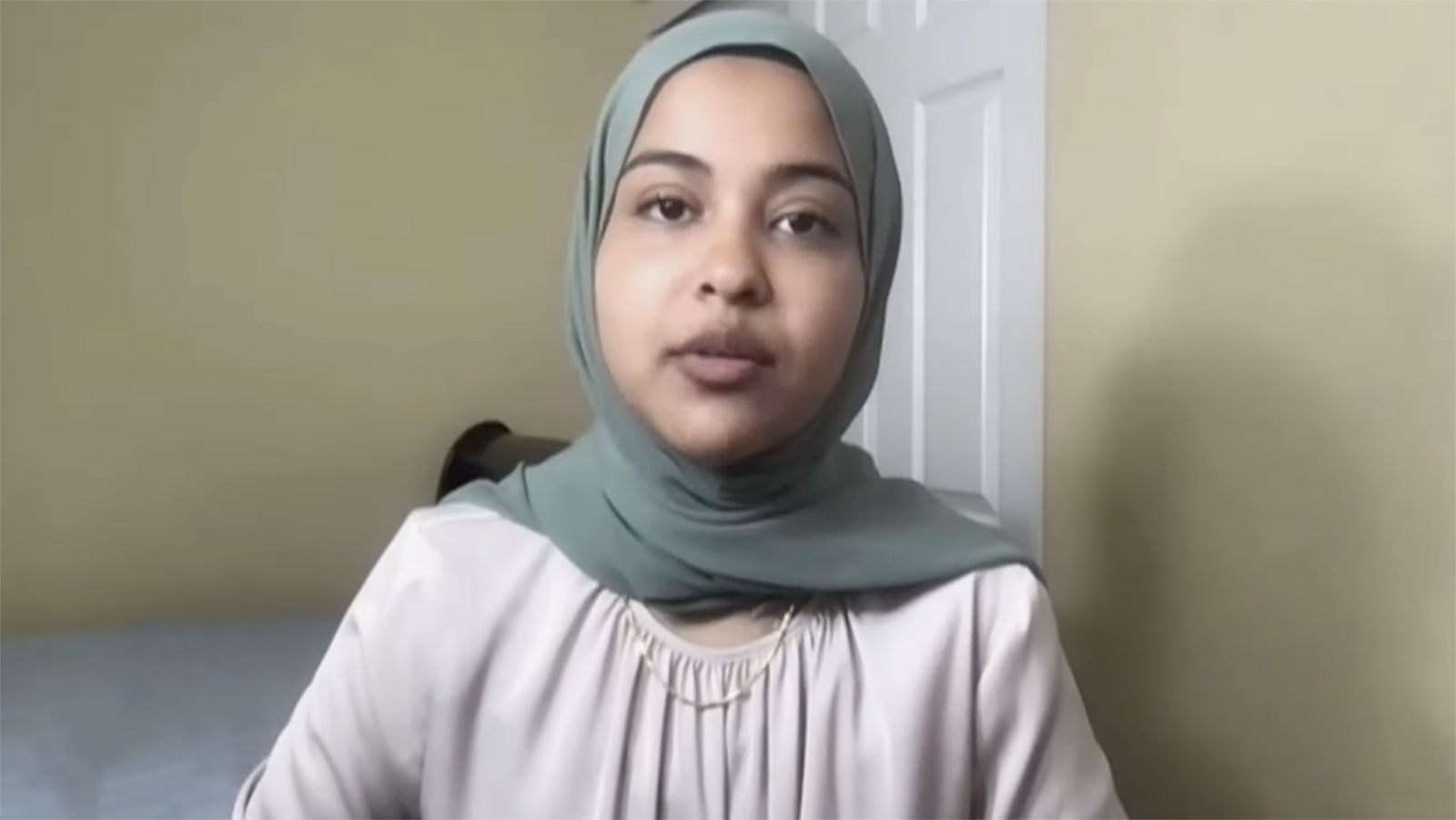
This month, Tabassum was again a valedictorian — this time at the University of Southern California — and again was preparing a speech that she was told she could not deliver, as USC barred her from speaking out of concern for campus safety after social media posts in Tabassum’s past were called out as antisemitic. This is the first time in USC’s history that a valedictorian will not be making a speech at commencement.
Rather than the natural disaster of COVID-19, or even internet trolls preventing this hardworking, brilliant student from making her commencement speech, she was stifled this time by her own university, whose officials chose her out a of a pool of more than 100 applicants to be this year’s valedictorian. In a personal statement issued Tuesday (April 16), Tabassum said: “I am not surprised by those who attempt to propagate hatred. I am surprised that my own university — my home for four years — has abandoned me.”

Asna Tabassum was the valedictorian at Ruben S. Ayala High School in Southern California in 2020. (Photo courtesy Asna Tabassum)
USC said it was responding to threats after a campus group called Trojans Israel accused Tabassum of espousing “antisemitic and anti-Zionist rhetoric,” citing her Instagram bio that has a link to a website calling Zionism a “racist settler-colonial ideology.” USC Provost and Senior Vice President for Academic Affairs Andrew T. Guzman, in his statement, said, “We cannot ignore the fact that similar risks have led to harassment and even violence at other campuses.”
Let’s believe safety is indeed USC’s primary concern, and administrators were not simply bowing to pressure from those who object to Tabassum’s pro-Palestinian beliefs. Even so, there are several alternatives to having Tabassum appear live, such as playing a recording of the speech at graduation or allowing her to deliver it by Zoom. If allowing her to appear at all is a problem, they could email a recording to all graduates or share it the university’s social media channels.
None of that is currently on the table, as the provost office also said in its statement that “there is no free-speech entitlement to speak at commencement.” Apparently there’s not even an entitlement to attend graduation: The university isn’t sure yet if Tabassum will be allowed to sit on stage at graduation,