


By Leonard Hyman & William Tilles - Dec 02, 2023, 4:00 PM CST
- Just looking at where coal fired power generation is being added we see a huge divide between Asia versus the US and Western Europe.
- China has authorized an additional 100 new power stations in 2023.
- We think it’s a mistake to assume that Asia will begin to wean itself off of coal-fired power as the US and Europe have begun to do.
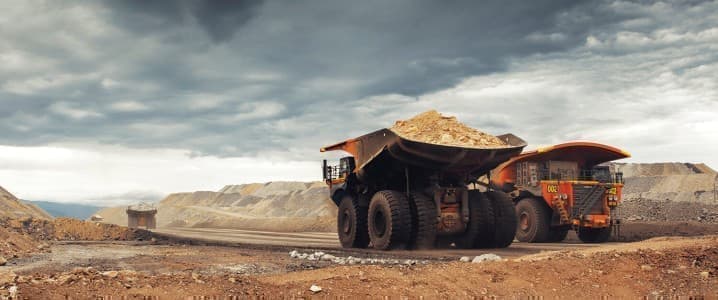
Hard to believe, but some global mining and trading houses have been hard at work trying to build up their coal holding, especially coal destined to steel mills. Today we want to take a look at global coal usage but with reference mainly to the production of electricity. There are three related questions here. Who is still building new coal plants; what regions have the most operating coal plants; and where are coal plants actually being retired.
Just looking at where coal fired power generation is being added we see a huge divide between Asia versus the US and western Europe. Over the past twenty years China has quintupled its coal-fired power generation from 200,000 to over 1 million megawatts installed. And China has authorized an additional 100 new power stations in 2023 according to Reuters. But China is not alone in this coal plant construction mini boom. India, which has suffered from weak hydroelectric availability, is also planning to increase future coal capacity by over one third as is Southeast Asia. And unlike the US and Europe, none of these regions plan a significant degree of plant retirements. So if we believe all these incremental coal plants will be in service for a while, then it’s safe to say that coal demand in these regions will remain robust. China, India, and Southeast Asia consume 70% of the world’s coal production, while the US and Europe consume only 10%. Those numbers show where the action is.
Let’s put this demand in the context of what we call the energy trilemma, which asserts that all countries want energy that is environmentally benign, has a secure supply, and is affordable. However, in most situations, any combination of two factors precludes the third. Take coal for example. It is “secure” in that almost every nation has commercially available access to coal or lignite either domestically or nearby. The energy produced is affordable in that the power plants can be relatively inexpensive to build and the resulting power sold cheaply. So coal-powered energy is both secure and affordable but obviously not environmentally benign. Now assume we wanted to maximize the second and third values, produce energy for the economy that is both environmentally benign and affordable. That leads us to renewable technologies like wind and solar—both widely utilized—but an exclusive reliance on these intermittent resources (in the absence of batteries) would sacrifice the security of supply.
The US has been reducing its reliance on coal.
» …
Read More rnrn