

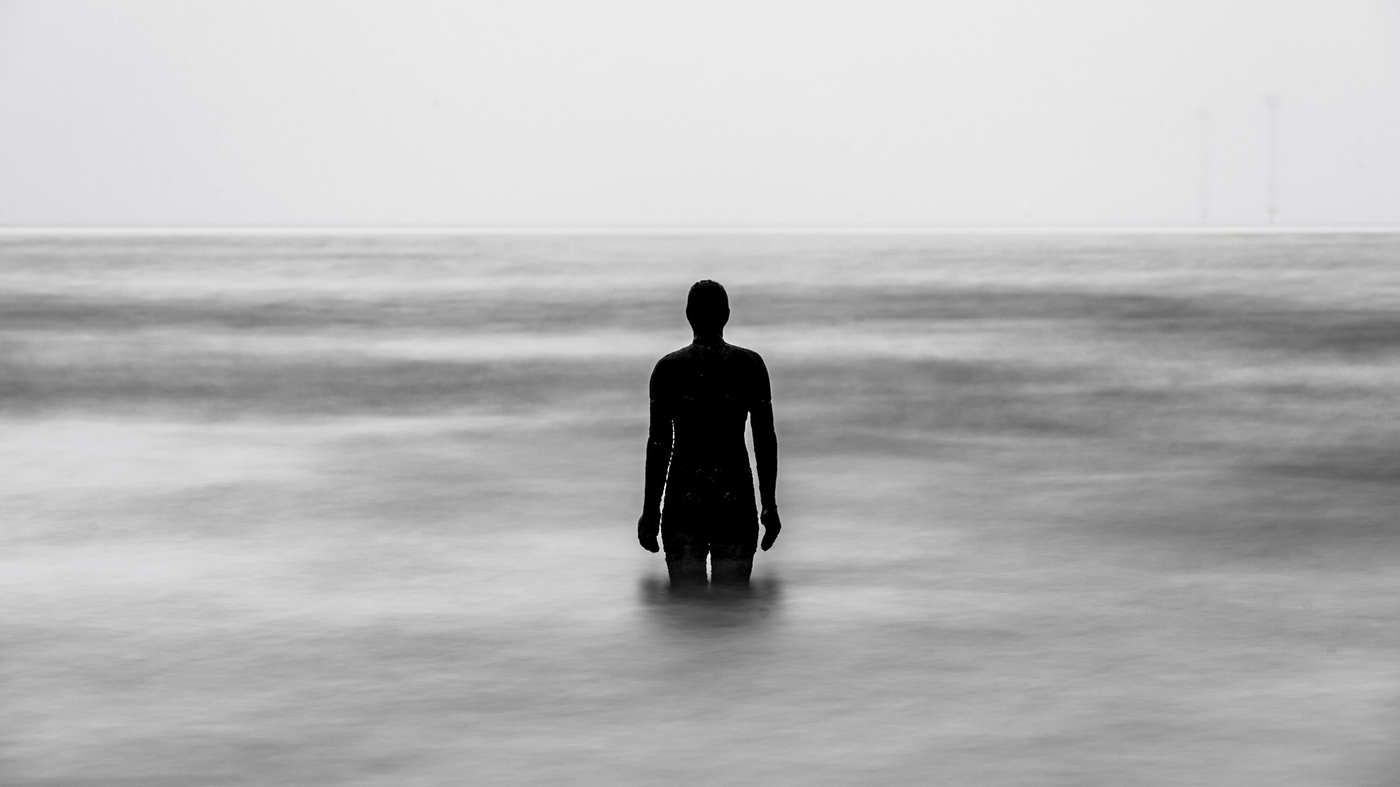


Christopher Furlong/Getty Images

Christopher Furlong/Getty Images
Around the globe, about 1 in 4 adults says they’re lonely. And the consequences of long-term social disconnection can be dire — everything from an increased risk of heart attacks to dementia and premature death.
But social isolation isn’t new or uncommon. And pangs of loneliness aren’t catastrophic. In fact, they’re nearly universal. What’s critical is how people respond to these feelings when they arise.
Just like thirst is a signal you need hydration, loneliness is a signal that you need human connection, says Dr. Jeremy Nobel, a primary care physician and author of the new book Project UnLonely, which offers a road map to make connections, using creative expression as a means to communicate.
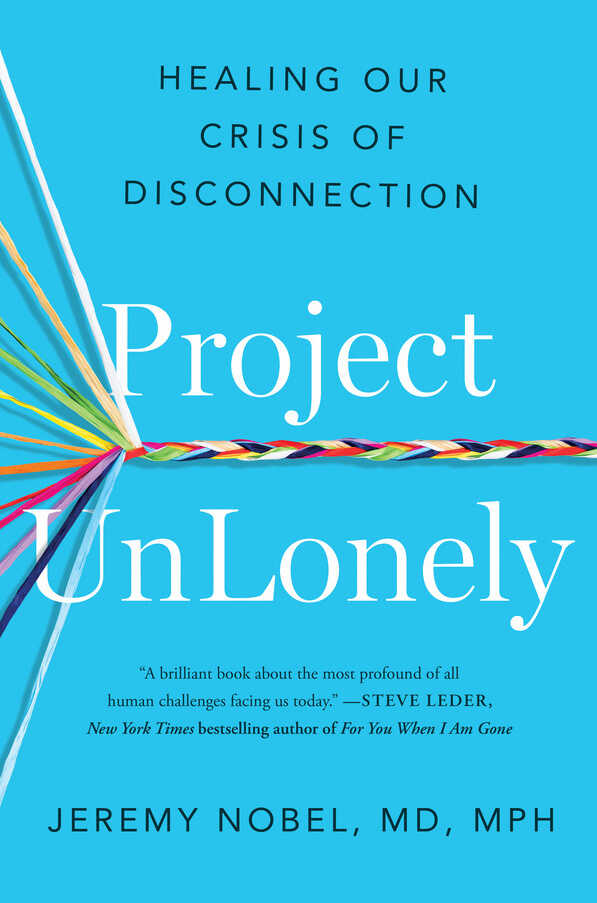
Dr. Jeremy Nobel’s new book, Project UnLonely, offers a road map for making social connections. Photo © Avery (HC)/Penguin Random House
toggle caption
Photo © Avery (HC)/Penguin Random House
Many factors can increase vulnerability to loneliness, including trauma, sickness or being part of a marginalized group. The bent toward individualism and independence, woven into U.S. culture, may play a role too. The mindset of pull yourself up by your own bootstraps and fend-for-yourself autonomy, “it is part of the American psyche,” Nobel says.
Of course, it’s possible to be both independent and socially connected, but in recent decades, as societal norms have changed, there are countervailing forces that may make some people more susceptible to loneliness.
“A hundred years ago, your identity was almost fully defined by your gender, your religion and your status,” Nobel says, and there wasn’t much flexibility to alter it. Now, people have more freedom to chart their own course and create their own identities. “It’s both a set of opportunities and a set of challenges,” he says, since the process of determining who you are and where you fit in can be disorienting or confusing.
When there’s not a prescribed way to “belong,” finding connection can be tough. Many people are hesitant to put themselves out there, or they have a hard time communicating what’s on their minds. “This is where the arts can be very powerful because they act as a catalyst to make it easier,” Nobel says. Drawing a picture may seem like a solitary act, but it can be a bridge to connection, a way to express what’s on your mind.