


Skip Navigation
The New Republic
Politics Homepage
The New Republic
Politics Homepage
Social Security is in trouble, and lawmakers are getting worried about it. In March, the Treasury Department revealed that the trust funds for the program, which currently supports 67 million Americans, will run out in 2034.
But don’t panic just yet, around 80 percent of benefits will still be paid out through the combined funds of disability insurance and old age and survivors’ insurance. However, this projection is causing concern about the future of the program.
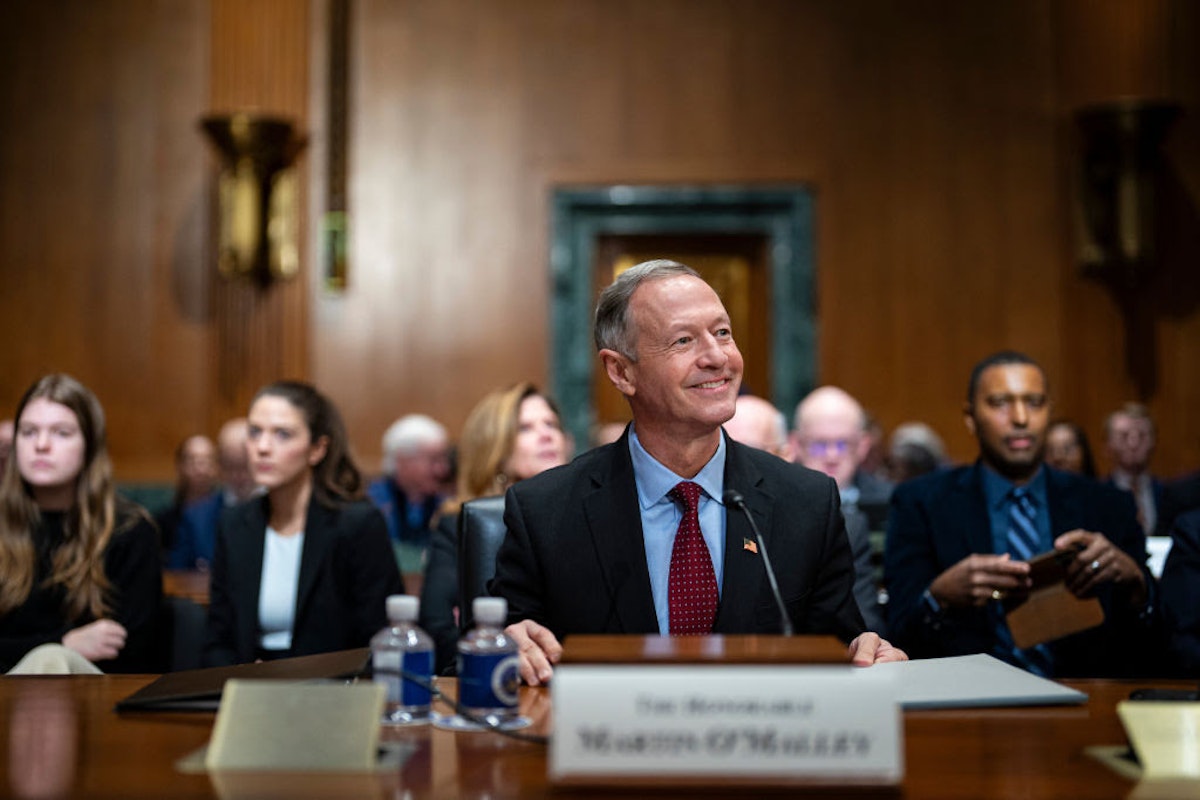
Martin O’Malley, the former Maryland governor, has been nominated by President Joe Biden to become commissioner of the Social Security Administration. The Senate Finance Committee approved O’Malley’s nomination on a bipartisan basis on Tuesday, although it’s uncertain when he will receive a floor vote.
Laura Haltzel, a senior fellow with the Century Foundation, pointed out the demographic shift that is making Social Security’s revenue stream unsustainable: The retirement-age population is growing while the national birth rate is declining. This means that fewer workers will support the program as more retirees are relying upon it.
“The problem is that you cannot pivot on a dime and create a workforce today,” Haltzel said. With only 10 years until 2034, raising the retirement age—one of the common ideas for solving the solvency problem—is an insufficient solution, Haltzel said.
Andrew Biggs, a senior fellow at the American Enterprise Institute, explained that the issue is not just about the aging workforce but also a political problem. Once benefits are granted, they are challenging to revoke, which creates a significant issue. Biggs sourced this problem to a 1977 decision by Congress, saying that they “locked in the effects of demographics.”
Republicans have been accused of wanting to cut Social Security, with GOP Senator Rick Scott’s proposal to slash the program prompting Democratic allegations. GOP lawmakers, on the other hand, blame President Joe Biden for suggesting that Republicans support cutting Social Security benefits, in his State of the Union address earlier this year.
“It’s too easy to play a political football with,” grumbled Republican Senator Bill Cassidy, who has proposed, along with Senator Angus King, an independent who caucuses with Democrats, an independent investment fund to keep Social Security solvent. Another Republican, Senator Mitt Romney, told me that it’s “so easy in this country to demagogue one’s opposition, and to scare seniors into thinking their benefits will be cut.”
But the issue of Social Security is particularly thorny for Republicans,