

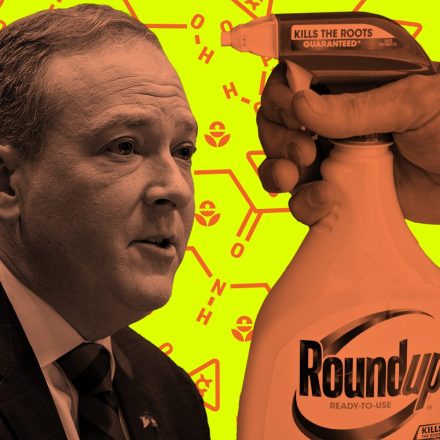

Between frenzied claims about Tylenol and disparaging remarks about autism, the voices of the “Make America Healthy Again” movement empowered by President Donald Trump have directed criticism at the country’s massive food, pharmaceutical, and chemical industries — still-too-rare targets for the leaders of either political party in the U.S.
When the White House unveiled its comprehensive report on how to “Make Our Children Healthy Again” in May, it slammed “corporate capture” of regulatory bodies and argued that companies responsible for making children less healthy wield undue influence in Washington. A subsequent strategy report, released last month, called to “protect public health from corporate influence.”
“It was one of the first times I saw the federal government actually call out corporate capture and how chemical companies influence regulation,” said Darya Minovi, a senior analyst for the Center for Science and Democracy.
But the Trump administration’s political marriage of unbridled crony capitalism and fringe health conspiracism is not without its contradictions.
While the “Make America Healthy Again,” or MAHA, movement preaches a healthy utopia for the nation’s children free of real and imagined toxins, public health experts say the Trump administration has pursued an aggressive deregulation campaign that has opened the floodgates for toxic chemicals in our food, water, and air — while also defunding vital medical research and spreading dangerous medical misinformation.
“There’s a lot of rhetoric about problems that they’re solving,” Minovi said. “But when I’m looking at the actual actions that the administration is taking, largely, these actions are not making any kids or families healthier.”
A glaring tension between the MAHA movement’s purported goals and the Trump administration’s aggressive deregulatory strategy is the issue of environmental toxins, particularly PFAS, also known as forever chemicals, found in many household items.
These chemicals, which can disrupt liver, kidney, and thyroid functioning, are especially harmful to children.
The strategy report, drafted by the Make America Healthy commission led by Health and Human Services Secretary Robert F. Kennedy Jr., laid out a series of recommendations to “end chronic childhood disease,” which included studying the cumulative effect of chemicals in the environment. But in May, the Environmental Protection Agency announced that it was rolling back restrictions on the acceptable levels of these forever chemicals within drinking water, which were put in place during the Biden administration. And in the spring, the agency ended a grant to research children’s exposure to chemicals from soil and dust, according to the KFF Health News.
“When it comes to actually taking action, we’re not really seeing policies that are getting ahead of corporate capture and holding the chemical industry responsible,” Minovi said.
Over the coming months, the EPA has announced it will take 31 separate deregulatory actions, including loosening restrictions on power plants that emit air pollution and eliminating safeguards put in place during the Biden administration for petrochemical accidents.
Alongside pursuing a deregulatory strategy that experts predict will introduce more chemicals into the air,