


WASHINGTON — The Texas redistricting case now before the Supreme Court turns on a question that often divides judges: Were the voting districts drawn based on politics, or race?
The answer, likely to come in a few days, could shift five congressional seats and tip political control of the House of Representatives after next year’s midterm elections.
Justice Samuel A. Alito, who oversees appeals from Texas, put a temporary hold on a judicial ruling that branded the newly drawn Texas voting map a “racial gerrymander.”
The state’s lawyers asked for a decision by Monday, noting that candidates have a Dec. 8 deadline to file for election.
They said the judges violated the so-called Purcell principle by making major changes in the election map “midway through the candidate filing period,” and that alone calls for blocking it.
Texas Republicans have reason to be confident the court’s conservative majority will side with them.
“We start with a presumption that the legislature acted in good faith,” Alito wrote for a 6-3 majority last year in a South Carolina case.
That state’s Republican lawmakers had moved tens of thousands of Black voters in or out of newly drawn congressional districts and said they did so not because of their race but because they were likely to vote as Democrats.
In 2019, the conservatives upheld partisan gerrymandering by a 5-4 vote, ruling that drawing election districts is a “political question” left to states and their lawmakers, not judges.
All the justices — conservative and liberal — say drawing districts based on the race of the voters violates the Constitution and its ban on racial discrimination. But the conservatives say it’s hard to separate race from politics.
They also looked poised to restrict the reach of the Voting Rights Act in a pending case from Louisiana.
For decades, the civil rights law has sometimes required states to draw one or more districts that would give Black or Latino voters a fair chance to “elect representatives of their choice.”
The Trump administration joined in support of Louisiana’s Republicans in October and claimed the voting rights law has been “deployed as a form of electoral race-based affirmative action” that should be ended.
If so, election law experts warned that Republican-led states across the South could erase the districts of more than a dozen Black Democrats who serve in Congress.
The Texas mid-decade redistricting case did not look to trigger a major legal clash because the partisan motives were so obvious.
In July, President Trump called for Texas Republicans to redraw the state map of 38 congressional districts in order to flip five seats to oust Democrats and replace them with Republicans.
At stake was control of the closely divided House after the 2026 midterm elections.
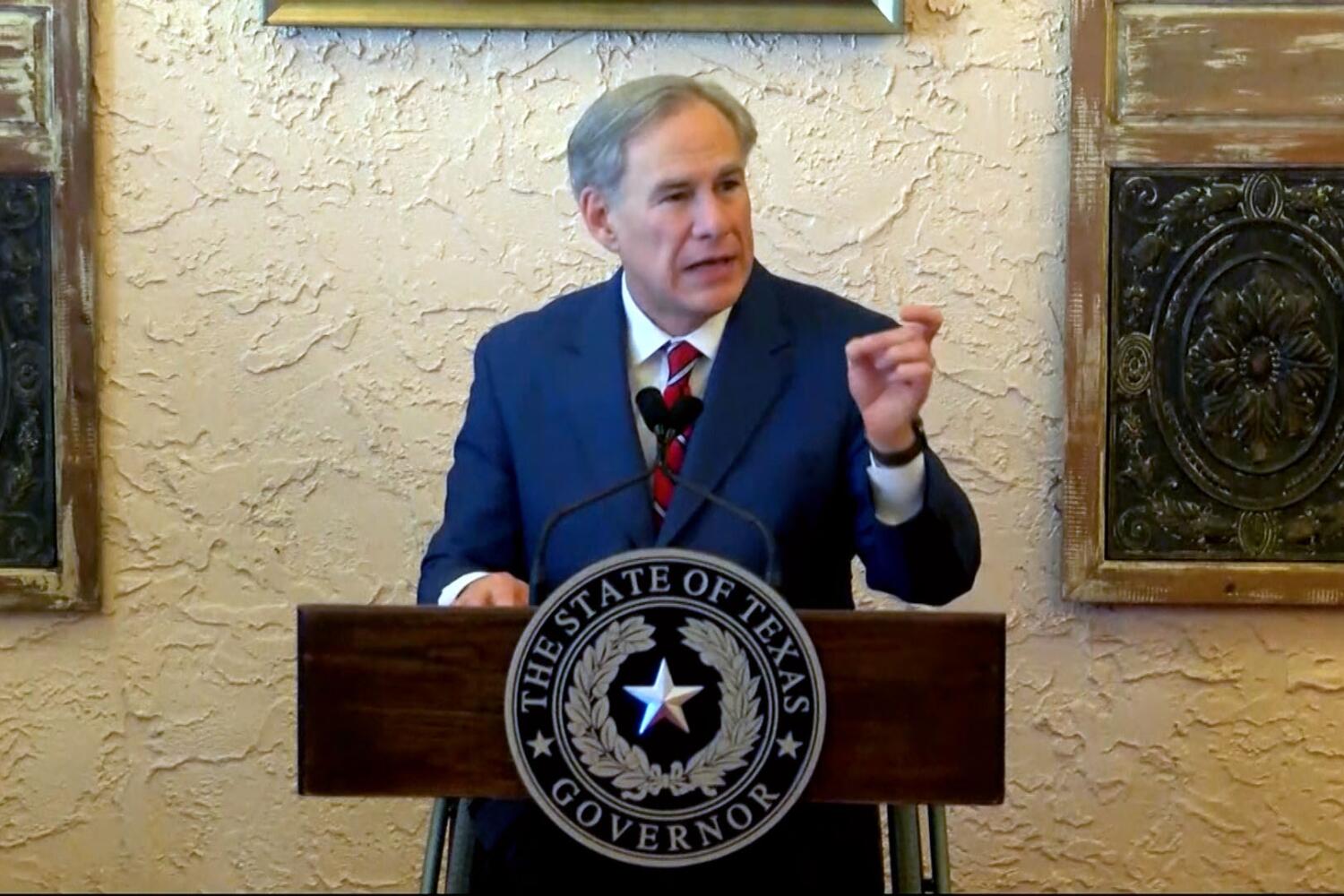
Gov. Greg Abbott agreed, and by the end of August, he signed into law a map with redrawn districts in and around Houston,