

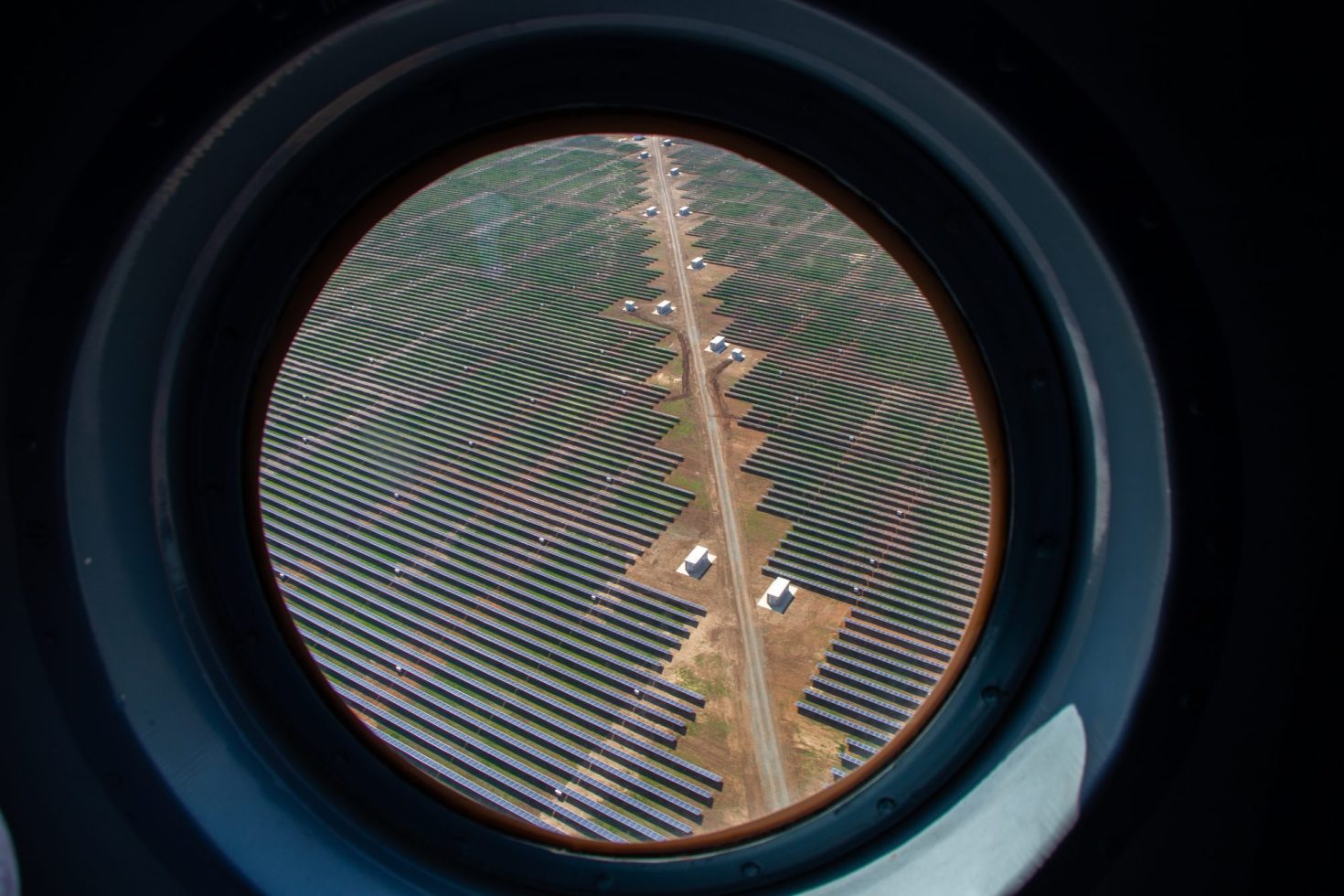

Venture capitalist Tom Chi on the highs and lows of sustainability innovation in 2025. Read More
By
Tom Chi
December 29, 2025
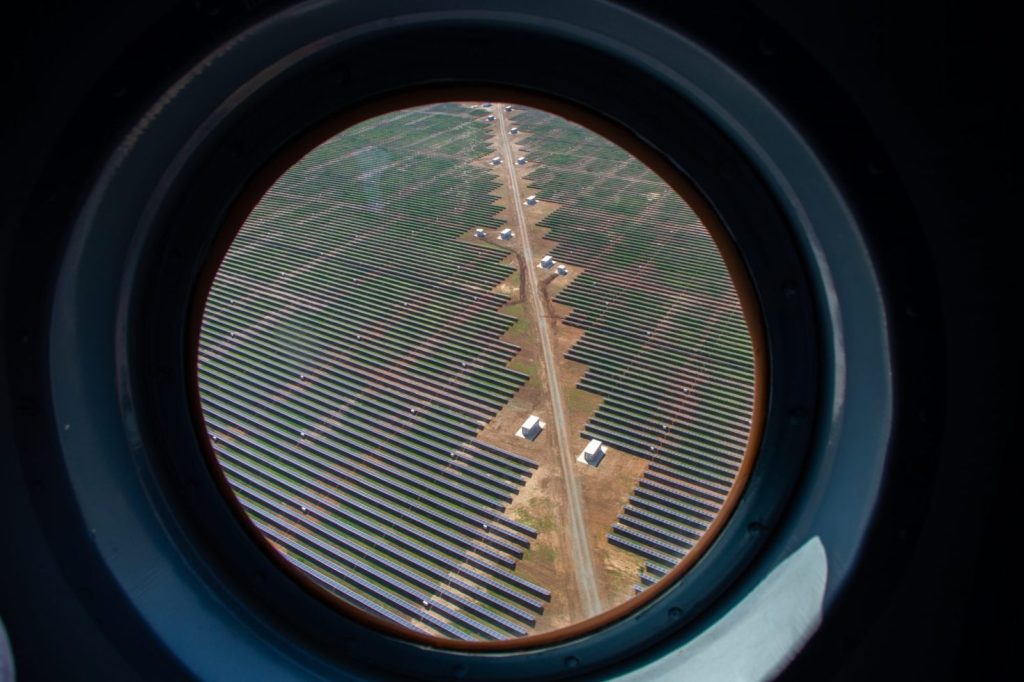
2025 brought data center booms, arbitrary tariffs and geothermal improvements. Source: Ukr Pictures/Shutterstock
Key Takeaways:
- Climate solutions are becoming economically viable on their own terms, marking a shift from regulation-driven to economic-driven climate action.
- The infrastructure for the next decade of transformation is being built now, via autonomous mobility, geothermal baseload power and data centers.
- Short-term volatility is exposing fragility in critical capabilities, with lithium price crashes threatening battery recycling and arbitrary tariffs harming U.S. manufacturing.
The opinions expressed here by Trellis expert contributors are their own, not those of Trellis.

As managing partner of At One Ventures, I get a unique and broad perspective at how the climate venture landscape is evolving. In 2025, we made progress but didn’t move in a straight line: some long-standing technical and economic constraints finally gave way, while other parts of the system showed how easily momentum can be disrupted by market demand, price volatility and policy swings. Here are some of the lows and highs of this year in climate. For corporate sustainability professionals, these are signals of what’s to come.
Lowlights
- Low lithium carbonate prices created headwinds for lithium battery recycling, meaning only the teams with the absolute best recycling economics can continue to compete. This drove some notable pivots and threatened to have us lose momentum in a capability we will ultimately need.
- Large, arbitrary tariffs were and are terrible for U.S. manufacturing. Efforts located in the U.S. were significantly harmed by chaotic trade policy. Elected officials showing almost no ability to push back to harmful policies. This is how you lose an economic race.
- As we approach near-perfect deepfakes, we’re entering a world where any narrative can be spoofed, adding jet fuel to an environment already rife with dangerous misinformation. Media consolidation into fewer hands that are acting progressively more carelessly to meet the 24-hour news cycle means we will be making stupid decisions faster.
- It was 36 degrees Fahrenheit hotter than historical highs in the arctic in February, and we had record heat wave 122 degrees Fahrenheit in South Asia in April, which put it on the verge of a major wet bulb fatality event. This event did lead to major productivity losses in the mango crop, an early example of how extreme temperatures disrupt stomata function — a mechanism that could drive major losses in the future.
- Bill Gates suggested that maybe climate change won’t be so bad, and we should focus on adaptation. While adaptation will absolutely be needed, this is no way to be a leader, and it will likely have some negative reverberations in the market.