

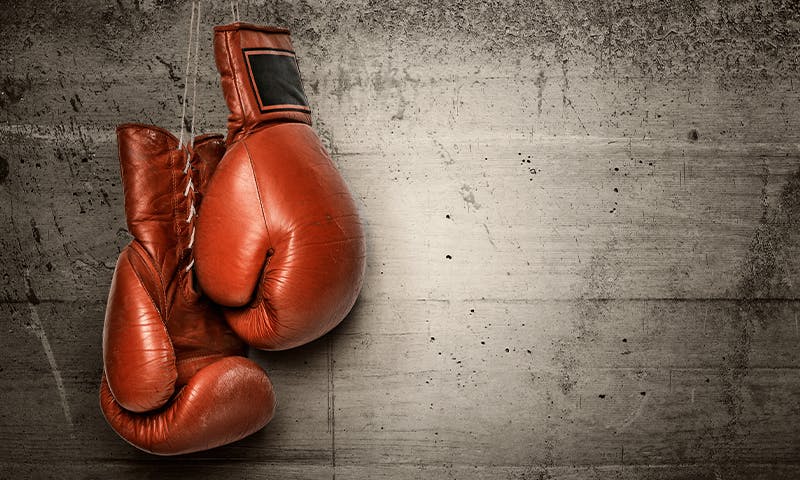

The concept of boxing as the “sweet science” is often attributed to A.J. Liebling, a prominent writer for New Yorker in 1956. Liebling used this term as the title of his definitive book on the sport, borrowing it from British sportswriter Pierce Egan who first wrote about the “sweet science of bruising” in his seminal work, Boxiana, published back in 1813. Unlike Jane Austen’s stories, Boxiana captured a world of bloody, bare-knuckled experiences.
However, the exact definition of the “sweet science” remains somewhat elusive. Some posit that it refers to a skillfully executed knockout punch to the chin, hitting the sweet spot. Others believe it plays on the contradiction of finding sweetness in a seemingly brutal sport. Ultimately, Liebling and Egan’s interpretation connects it to the principles of British stoicism, generosity, and true courage, creating a contradiction within the squared circle, where hope often overcomes inevitability.
Recently, I’ve embarked on a journey to explore unconventional uses of the sweet science, particularly its potential as a treatment for Parkinson’s disease—a degenerative disorder of the nervous system linked to dopamine loss, impacting movement, memory, motivation, and cognition.
Recognizing symptoms in oneself can be challenging. In my case, a tennis partner pointed out an unusual stride and shuffle in my step, which I shrugged off as fatigue. Yet, the more troubling signs persisted, including hand tremors, stiff gait, and anxiety in public spaces. It wasn’t until a specialist visit that clues like bilateral tremors and swallowing difficulties led to a diagnosis of Parkinson’s.
Following the diagnosis, I underwent a battery of physical tests, including the Mini-BESTest, designed to evaluate balance. Despite some concerns, performing well suggested the possibility of managing symptoms without immediate medication intervention.