


Across the world, concern about democratic backsliding – the erosion of democratic institutions and civil liberties – is growing.
It has become a live issue even in established systems, where erosion can often occur through the steady degradation of institutions and processes.
A recent report by the International Institute for Democracy and Electoral Assistance (IDEA) highlights the role of parliamentary processes in this dynamic.
The core insight of this report is deceptively simple: parliamentary rules are not just procedural technicalities. They are often important institutional guardrails for democracy.
The IDEA report identifies several ways in which these guardrails can be undermined. Governments may compress legislative timelines, limit debate, or curtail committee scrutiny in ways that reduce the capacity of parliaments to perform their core functions. Procedural tools – for example, control over the legislative agenda or the structuring of committees – can be used to entrench executive dominance.
These insights resonate in how democracy in practised in Australia. There is a growing chorus of concern – from academics, research-based organisations such as the Centre for Public Integrity, professional bodies such as the Law Council of Australia, and non-government parliamentarians – that the Australian parliament is being undermined in different ways. As a result, policies and accountability are suffering.
Law-making with little parliamentary oversight
A first area of concern is the heavy reliance on executive law-making with little respect for parliamentary oversight. This was particularly apparent during the COVID pandemic, where governments understandably required flexibility to respond to rapidly evolving circumstances.
The Senate Scrutiny of Delegated Legislation Committee’s inquiry showed how easily significant executive lawmaking was undertaken outside of parliamentary control. In just the first seven months of 2020, 249 legislative instruments were made. Of those, 48 — around 20% — were exempt from parliamentary disallowance (that is, the parliament cannot veto them). Experts queried whether such exemptions were required even in the context of the pandemic.

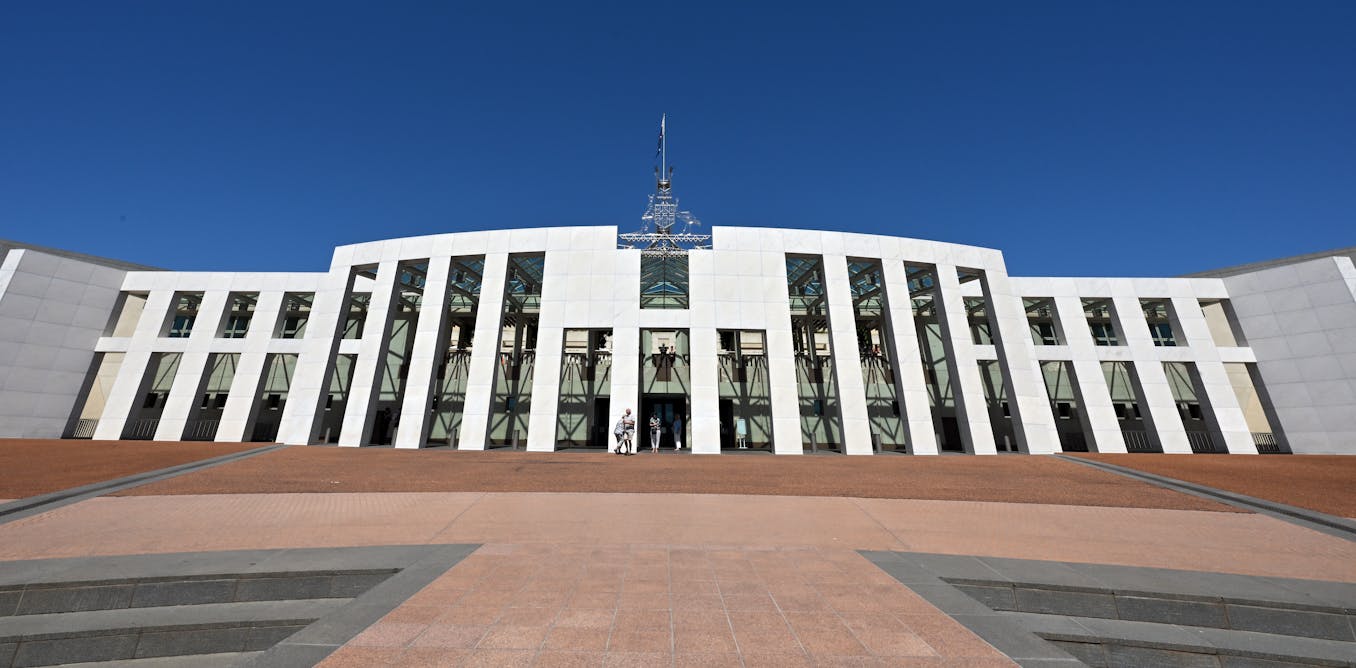
Proper parliamentary oversight is fundamental to a strong democracy.
Mick Tsikas/AAP
The committee also found reduced parliamentary sittings meant less oversight. The committee recommended stronger safeguards, including limiting exemptions and ensuring emergency instruments remain subject to scrutiny.
While executive law making is a necessary feature of modern governance, there are serious concerns when it happens without parliamentary scrutiny. The expansion of such powers raise questions about the balance between efficiency and accountability. These concerns were exacerbated within, but extend beyond the pandemic response.
Disrespect for parliament’s constitutional role
A second issue concerns the integrity of primary lawmaking processes. The Centre for Public Integrity’s recent report, Lawmaking with Integrity, documents a pattern of legislative practices that, while not unprecedented, have become increasingly common. These include
- compressed timeframes
- limited or opaque consultation
- the curtailment of parliamentary scrutiny in the name or urgency.
The Law Council of Australia has expressed similar concerns. In 2025,