

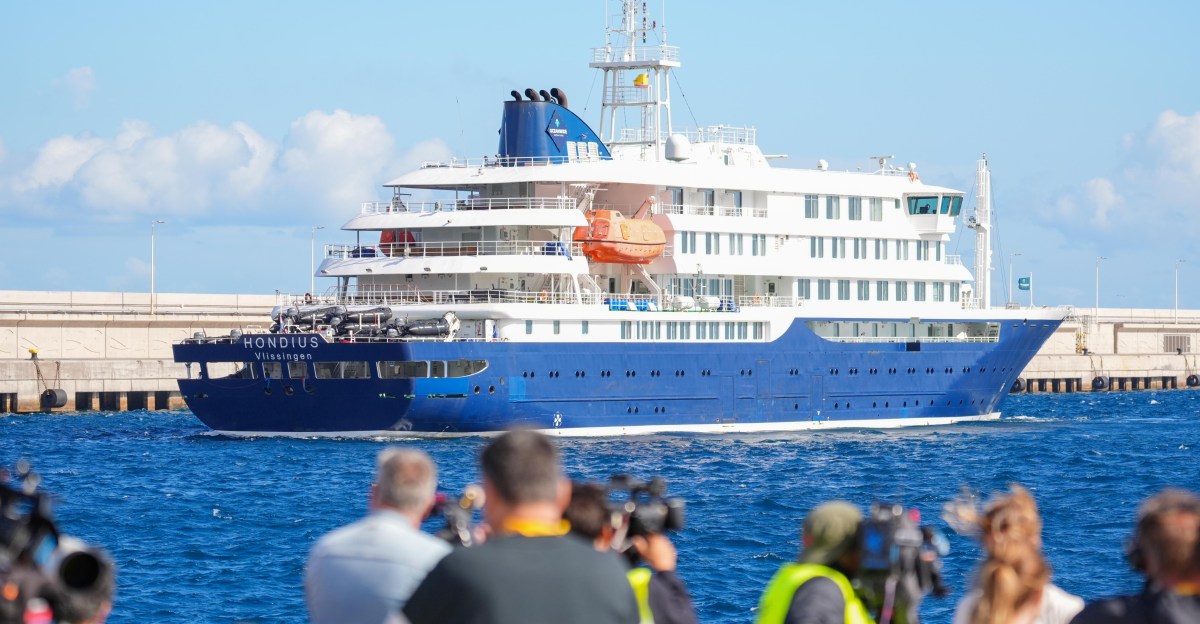

Almost as soon as the hantavirus outbreak on the cruise ship MV Hondius became international news, public health experts rushed to assuage the public: This is not Covid-19. Don’t worry — this is a virus that requires “close contact” to spread. The risk of a pandemic is quite low.
But if this apparent certainty from public health leaders amid another emergent health crisis made you recall the earliest days of the Covid-19 emergency, you’re not alone. In February and March of 2020, health authorities also reassured the public that the novel coronavirus was not airborne (not true) and said that people shouldn’t wear masks (whoops). One of the central lessons of the pandemic was that health experts should not be overly confident in their public pronouncements, because any later changes based on new information could lead the public to lose trust.
So six years later, with hantavirus, you might wonder why health leaders sound so confident about controlling a virus with a much higher mortality rate than influenza or Covid-19. Wouldn’t it be better to be too aggressive rather than too cautious? One international group of doctors and scientists wrote an open letter on Substack to the World Health Organization, urging them to adopt a precaution-first approach. If there is any chance the hantavirus could be airborne or transmit more easily than “close contact” would suggest, public health authorities should assume the worst and act accordingly, the authors argued.
“The costs of implementing these protections early are modest,” they wrote. “The costs of delaying them during a high-consequence outbreak may be profound.”
Right now, the course of the hantavirus outbreak remains uncertain. There are still less than a dozen reported cases. How much bigger will it get? We don’t know for sure. A hantavirus outbreak has never occurred in this kind of environment before. Previous known outbreaks were small — a few dozen cases at most — and occurred in rural communities that are not conducive to widespread virus transmission. This one happened on a tightly packed cruise ship, with travelers from all over the world now returning to their home countries; it could be a perfect setting for rapid spread, as we know from the early days of Covid. How many of the passengers will get sick? Will they follow isolation protocols? How many more people will they infect? We don’t know.
But what’s already clear is that the shadow of the pandemic still hangs over both the public health organizations responsible for responding to the crisis and the increasingly distrustful public that those groups are supposed to serve.
Public health faces genuine dilemmas during any infectious disease emergency — how to balance the needs of the individual with the needs of the public at large, how to convey what they do (and don’t) know about a dangerous pathogen without confusing people if the situation changes. Public health authorities have struggled to strike the right tone in one of the highest-profile viral outbreaks since Covid-19.