


Civil Society, Democracy, Featured, Global, Global Governance, Headlines, IPS UN: Inside the Glasshouse, TerraViva United Nations, Youth
Opinion
Credit: United Nations
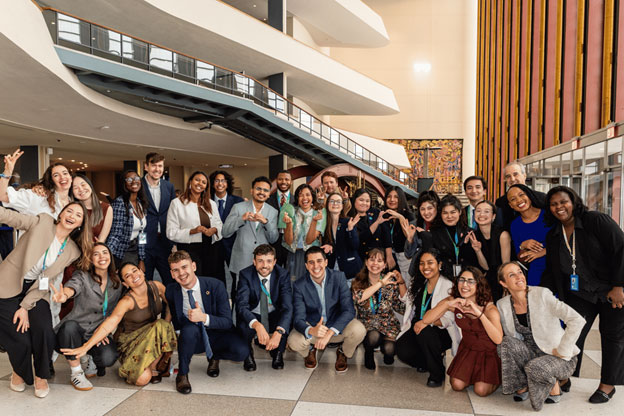
At a time of accelerating global crises and transformation, the question is no longer whether young people should be at the table, but how power is being shared with them. With more than 2.6 billion people aged 15–35 worldwide, this generation is not only the largest in history, but a decisive force in shaping a more sustainable and inclusive future, according to the United Nations
Youth participation must move beyond visibility toward real influence and shared responsibility-UN Secretary-General António Guterres
Dr. Felipe Paullier of Uruguay assumed his mandate as the first-ever Assistant Secretary-General for Youth Affairs in December 2023 at the age of 32. He is the youngest senior appointment in the history of the United Nations, and the youngest serving member of the Secretary-General’s senior management group.
UNITED NATIONS, May 28 2026 (IPS) – In this exclusive interview, Dr. Felipe Paullier, UN Assistant Secretary-General (ASG) and Head of the United Nations Youth Office shares his leadership approach, insights on youth engagement, and his vision for driving institutional change from the grassroot level — redefining what is possible and proving that age is just a number.
Bisma Qamar: As the youngest and first ASG of the United Nations Youth Office, what drives and shapes your leadership style?
Dr. Paullier: I focus on perspective. Young leaders naturally bring fresh ideas and question why processes exist, fostering creativity and improvement. My approach is human-centered. Issues like mental health and wellbeing indicate societal shifts and must be taken into consideration. Leadership should be accessible and empathetic while understanding one’s potential and well-being. Today’s teams value approachable, realistic leaders rather than authoritative leaders.
“Leadership must blend insight with empathy; people want leaders who understand and support individuals”
From Potential to Performance :
Qamar: As member states become informed and establish programs like the youth delegate program, which strategic aspects are key to truly empowering young voices and ensuring meaningful participation beyond symbolism?
Dr. Paullier: The main challenge is converting narratives into actionable participation. Institutions need inclusivity, structured funding, and support mechanisms. Multilateral collaboration is essential, and power must be genuinely shared with youth. Meaningful participation involves more than representation—it requires influence over decision-making.
UN Youth Forums: Advancing Inclusion and Participation
Qamar: How do forums such as ECOSOC and HLPF contribute to advancing inclusion and promoting equitable opportunities?
Dr. Paullier: ECOSOC and similar platforms provide a structured environment where youth voices can be heard and actively contribute to institutional change. They allow spaces to be created where meaningful dialogue across generations and individuals from diverse backgrounds are possible. These forums emphasize translating strategic narratives into tangible actions at both institutional and grassroots levels, encouraging participants to understand their potential impact as well as the limitations of the processes involved and the power of collaboration to create impact.