


NASA is celebrating the incredible milestone of 25 years since the first two elements of the International Space Station were launched and joined in space. The space station has become a global endeavor, welcoming 273 people from 21 countries and hosting more than 3,700 research and educational investigations from 108 countries and areas.
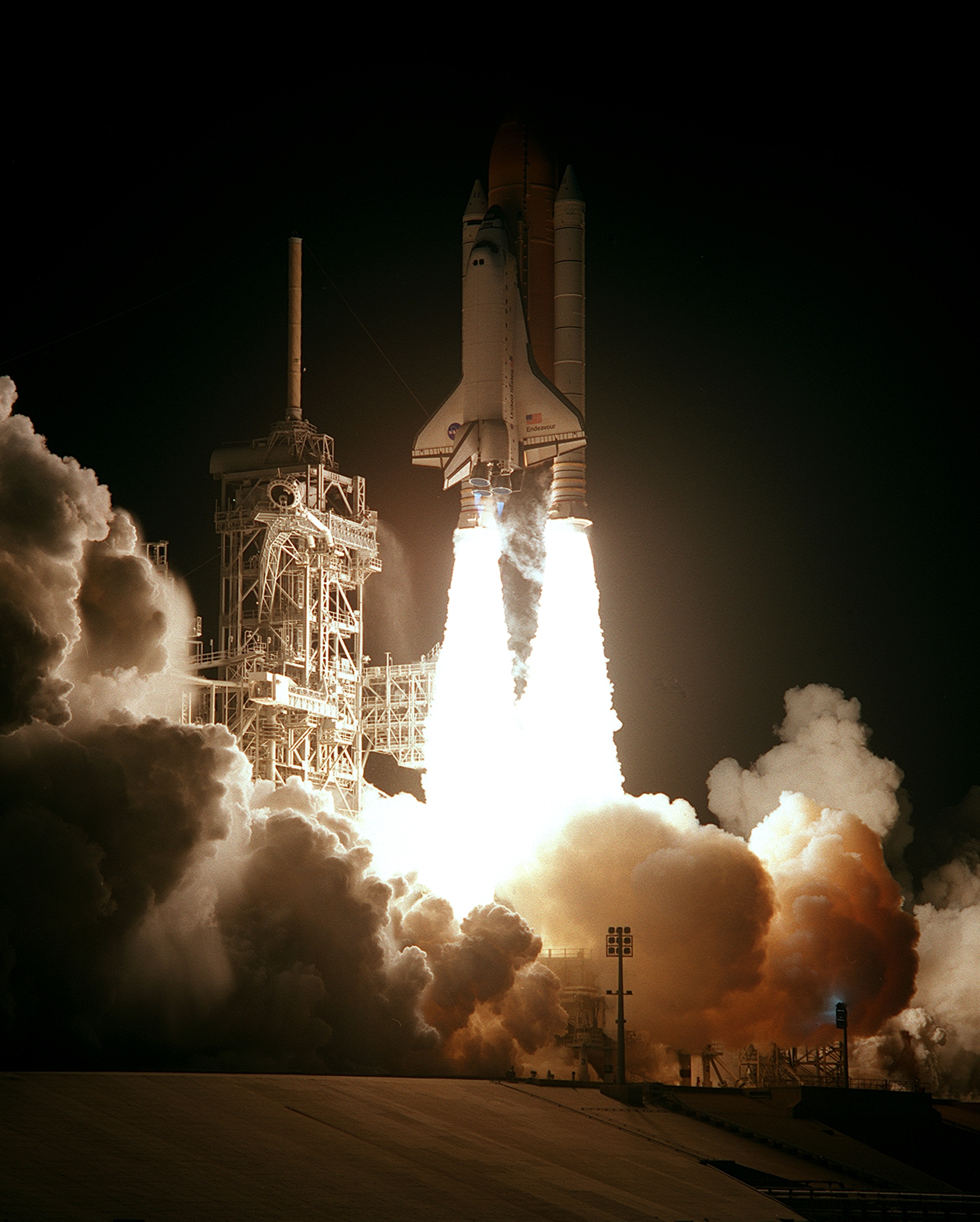
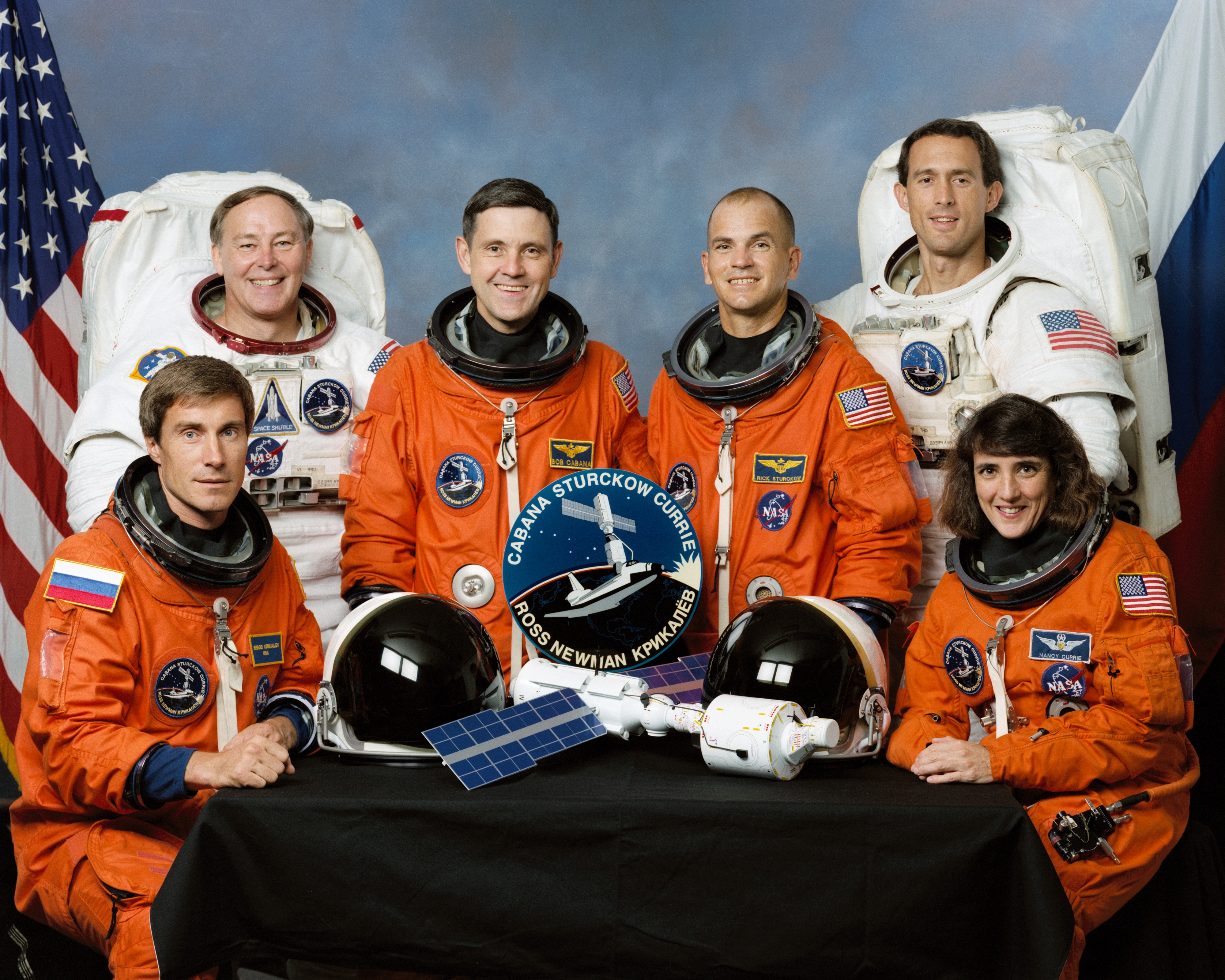
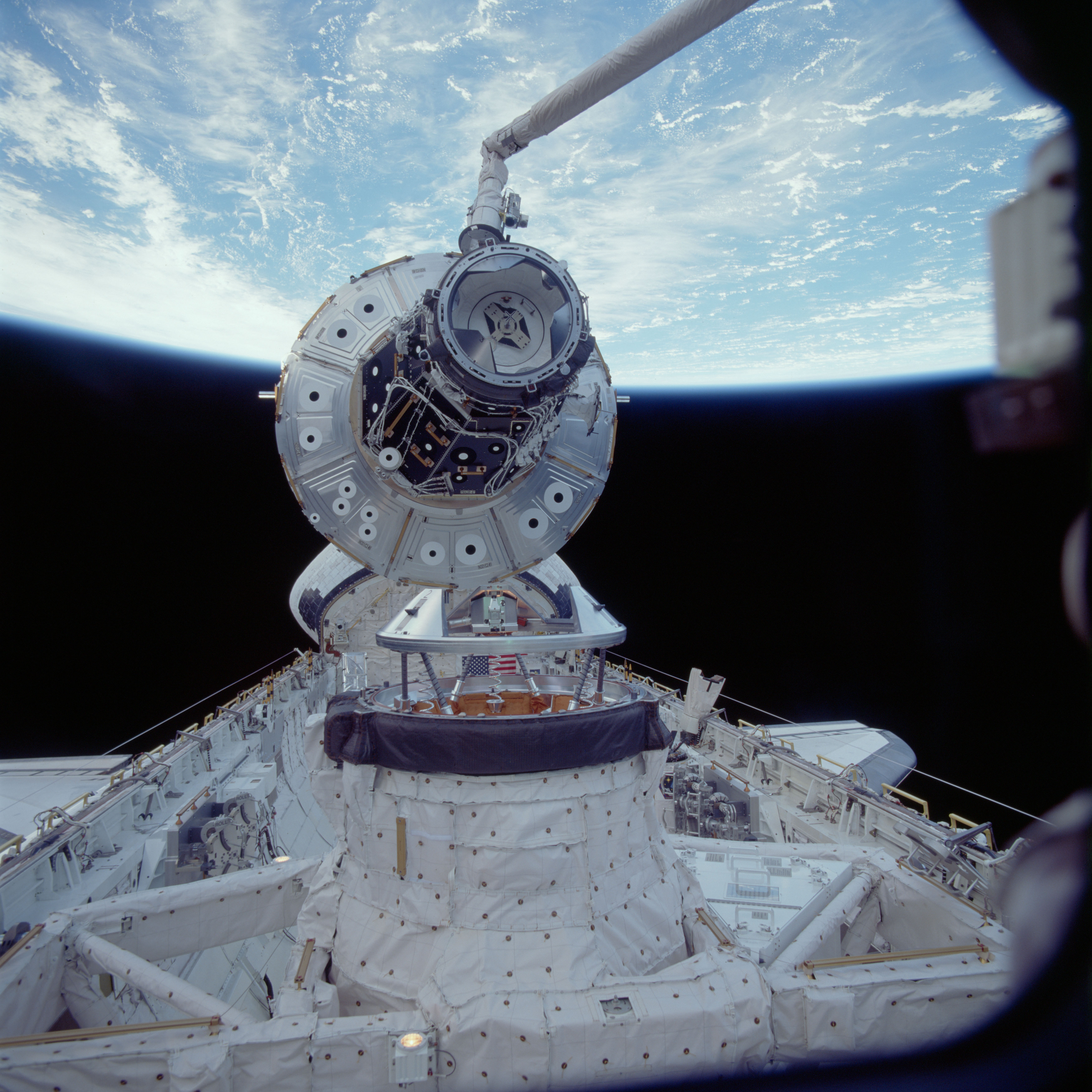
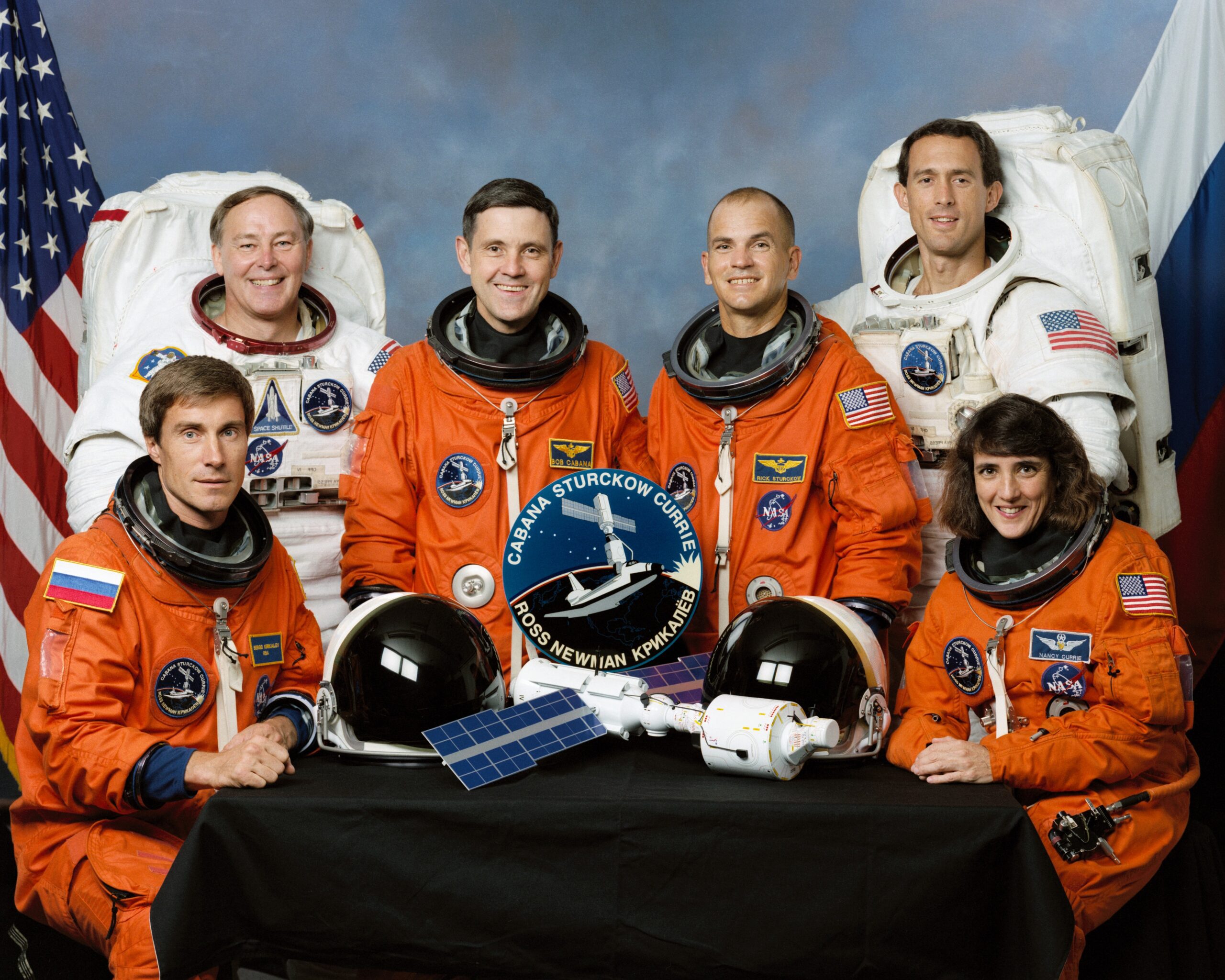
Left: Launch of space shuttle Endeavour from NASA’s Kennedy Space Center in Florida on the STS-88 mission to deliver the Unity Node 1 module. Middle: The STS-88 crew. Right: The Unity Node 1 module being lifted out of the cargo bay.
On Nov. 20 and Dec. 4, 1998, Zarya and Unity were launched into orbit as the first two modules of the International Space Station. On Dec. 6, 1998, the space shuttle Endeavour STS-88 crew, consisting of NASA astronauts and Russian cosmonauts, captured the Zarya module with the space shuttle’s robotic arm and mated it to Unity.
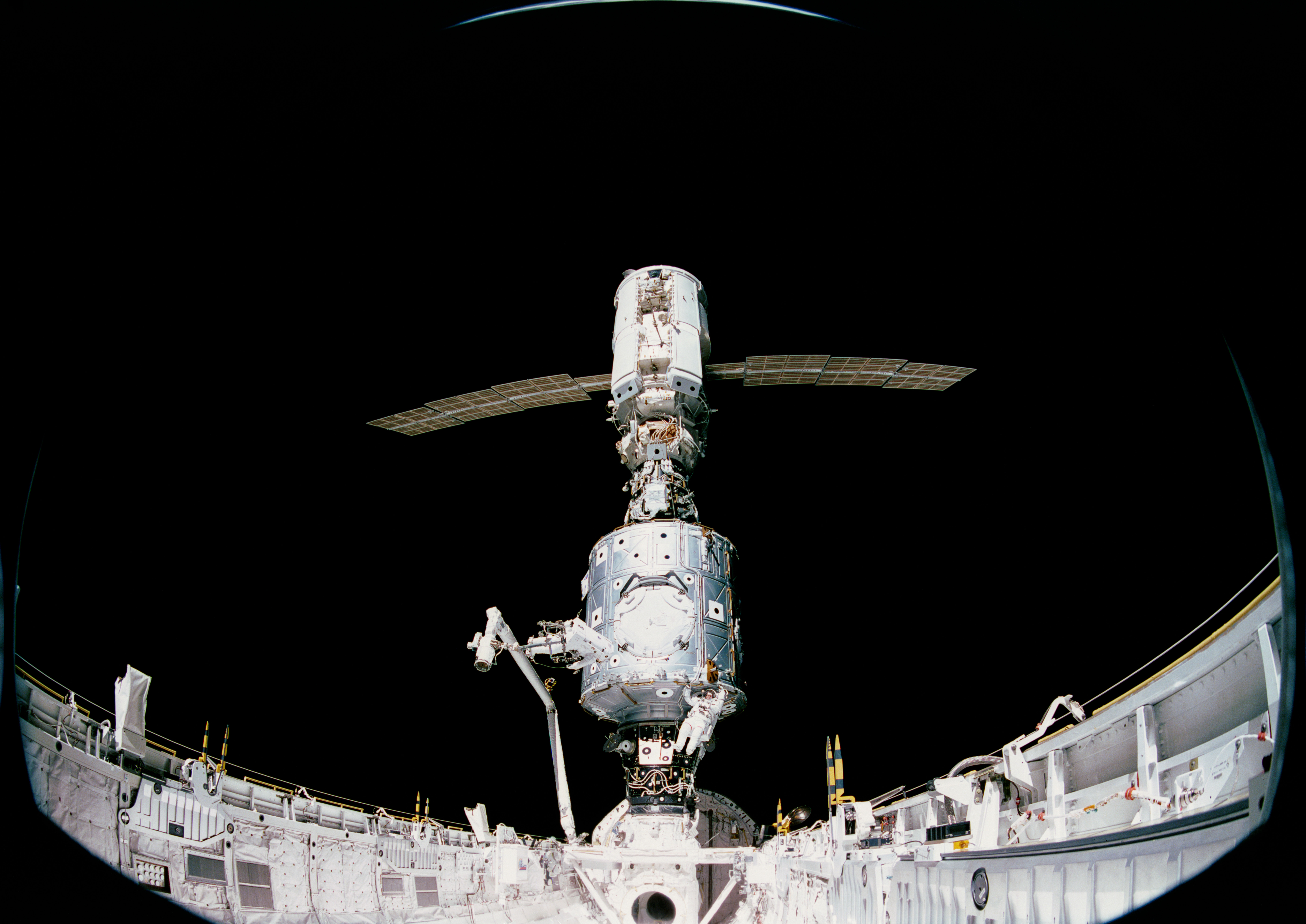
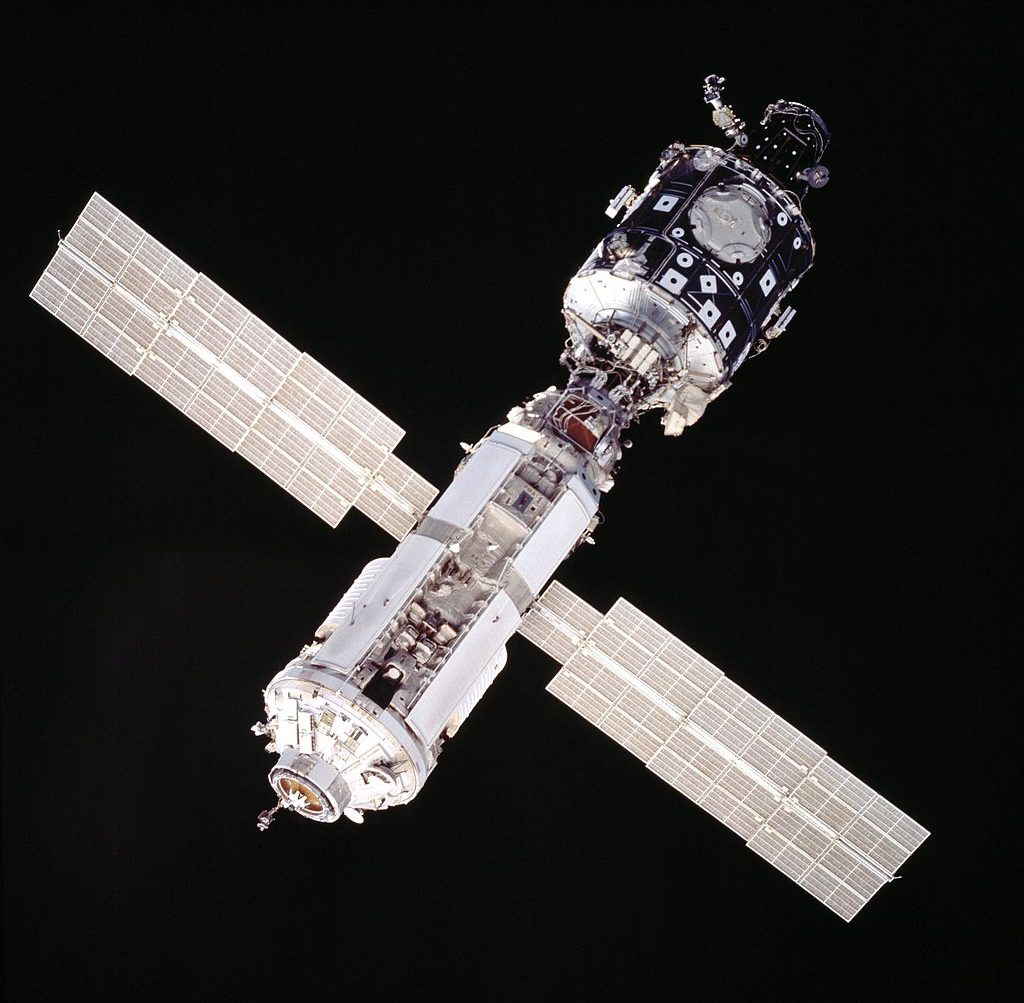
Left: Zarya has been mated with Unity in the shuttle’s cargo bay and astronauts are outside making connections between the two modules. Right: The space station’s first two elements after release from the space shuttle.
Engineers thousands of miles apart designed and built the two modules which met in space. The STS-88 crew, commanded by Cabana, spent the next few days and three spacewalks making connections between the two modules. Since then, the space station has grown with additions from international partners. In November 2000, the space station received its first long-duration residents, Expedition 1. From that time to the present, international teams have kept the space station permanently inhabited and have conducted world-class research in a wide array of scientific disciplines. The International Space Station has become a busy orbital outpost and microgravity laboratory, with utilization, advancements, and results adding up for the benefit of humanity.
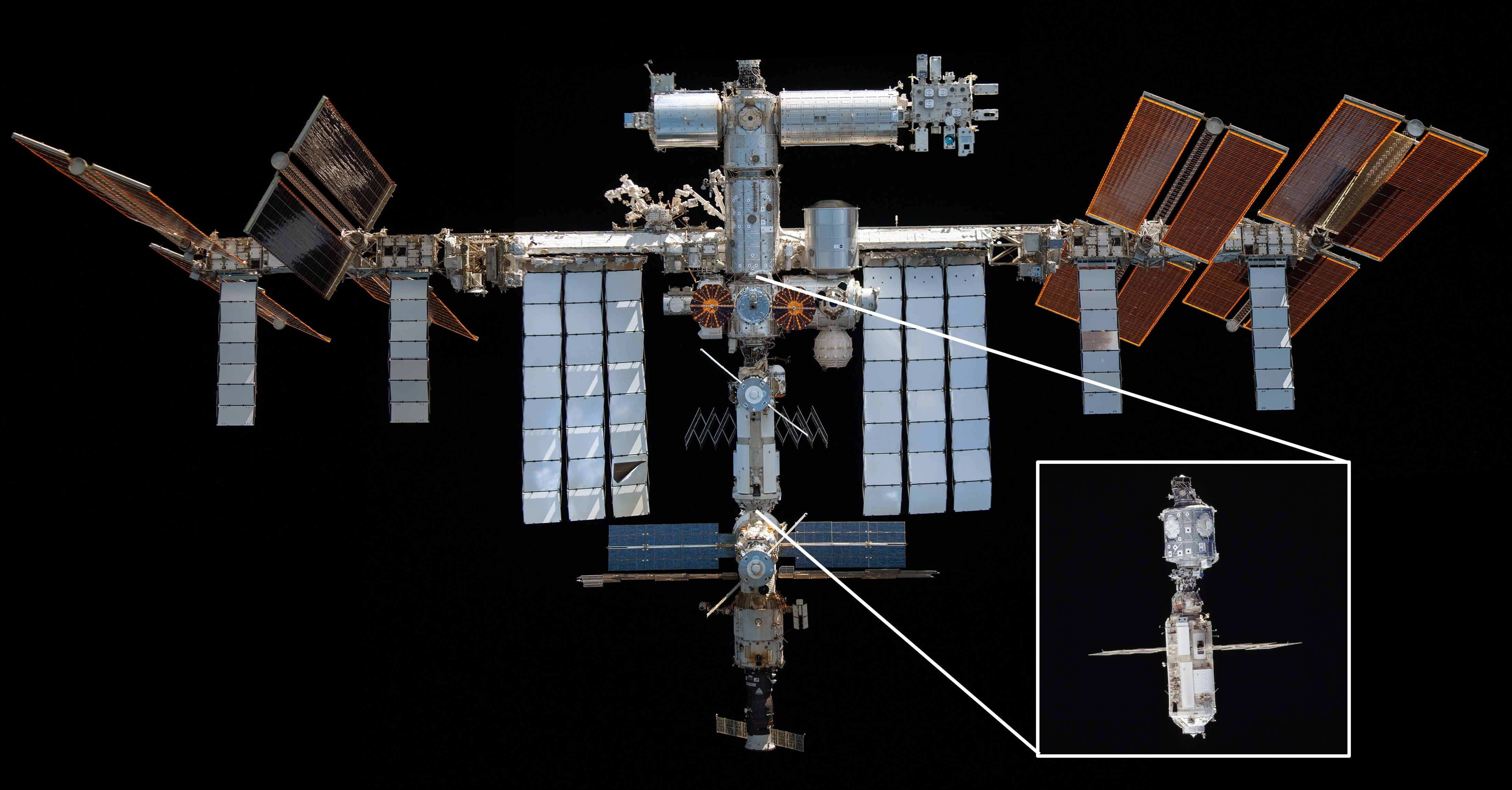
The International Space Station as it appeared in 2021, compared to Zarya and Unity at the same scale in the inset.