


“`html
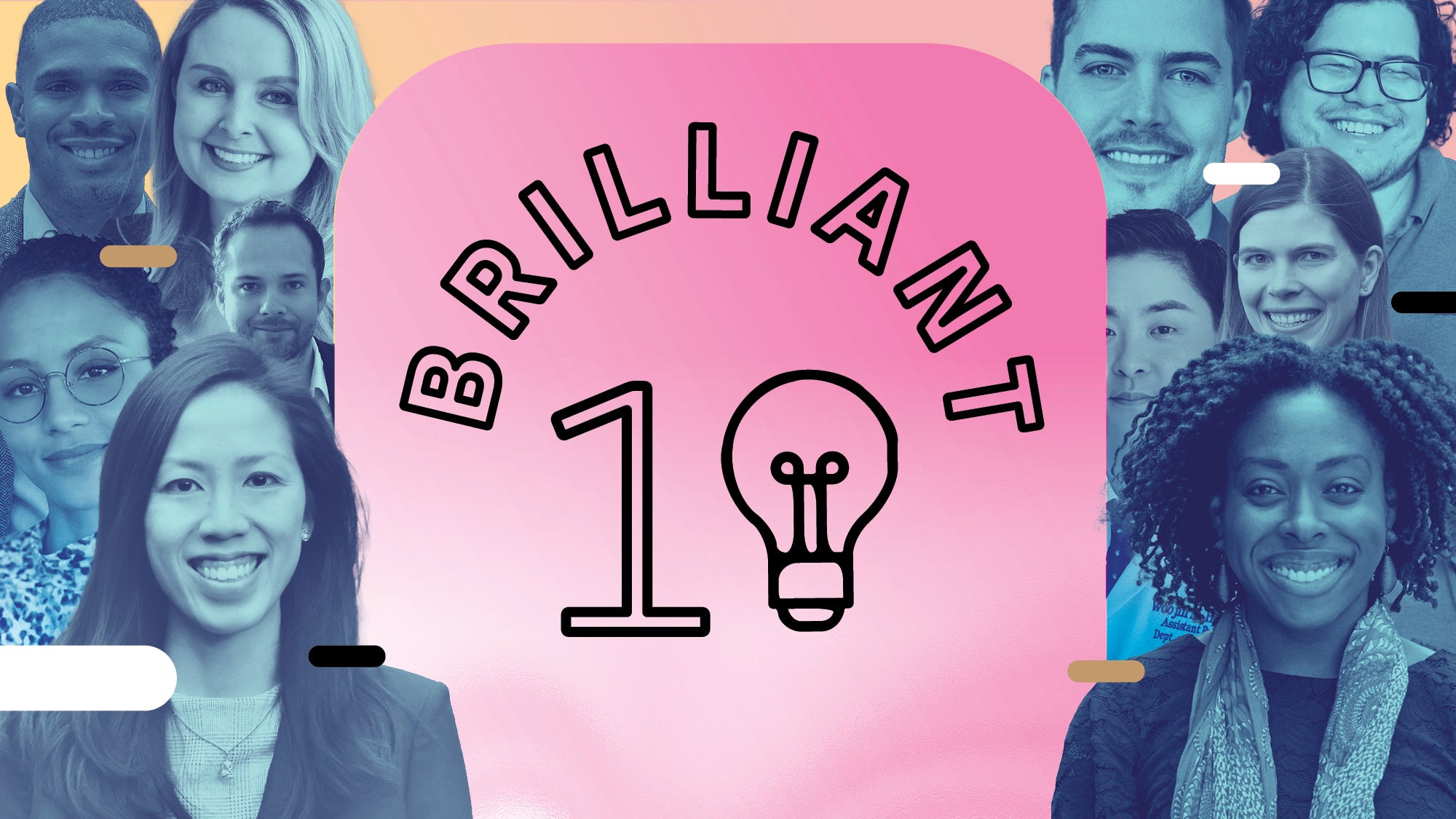
It’s the Brilliant 10 class of 2023.
By
|
Published Dec 5, 2023 10:00 AM EST
Popular Science
SHARE
Leaving a tangible mark on your scientific field is a staggering achievement at any stage of your career. Each year, Popular Science honors 10 early-career researchers who’ve gotten a head start: The Brilliant 10. These researchers already stand out as innovators and change makers in their fields. They are asking the unasked questions, adopting novel methods, and pursuing remedies where none exist. Whether they are driven by the desire to fill a need, the pursuit of justice, or sheer fascination, there’s little doubt that each of these awardees will change the world for the better. From more equitable AI to self-assembling lab organs to potential new laws of physics, the groundbreaking work of these up-and-coming researchers offers us a sneak peek at the cutting-edge science of tomorrow. While they’ve already turned heads and earned some of the most prestigious academic awards out there, these experts are just getting started. What on earth will they think of next?
1. Addressing environmental health disparities within Asian-American communities
2. Engineering microenvironments to grow muscle stem cells
3. Investigating the wonders of bird eggs to build a better world
4. Understanding how the uterus regenerates
5. Understanding human skin and hair diversity
6. Breathing new life into old math
7. Solving space mysteries with Antarctic ice
8. Growing organs to solve health disparities
9. Empowering marginalized communities with AI
10. Aiming lasers at the universe’s origins
 MyDzung T. Chu: Director of the ADAPT (Addressing Disparities in Asian Populations through Translational Research) Coalition at Tufts University’s Clinical and Translational Science Institute. Credit: Courtesy MyDzung T. Chu
There’s a big problem with how the United States collects health data from its fastest-growing immigrant population. Asians come to the US from dozens of countries, each with its own languages and cultures. Some come as students, others on worker visas, and many others arrive as refugees. Asian immigrants run the socioeconomic gamut, but public health researchers often lump their data together into one cohort.
This aggregation makes it seem as if, on average, Asians in America are pretty healthy. But that buries the experiences of vulnerable minority groups within the community, says MyDzung Chu, an environmental epidemiologist at Tufts Medical Center.
Chu’s mission is to tease apart the nuances of health issues among Asians in the US, especially on the local level. She studies communities in Boston’s Chinatown neighborhood and investigates environmental health disparities that may get hidden in bigger trends.
“`