


It’s important to keep germs at bay to avoid getting sick. But just cleaning isn’t always enough to protect you and your family. You need to understand the difference and know when and how to clean and disinfect to stay healthy.
Cleaning gets rid of dirt and impurities, while disinfecting kills germs, explains Khanya Brann, a spokesperson for the Environmental Protection Agency (EPA). Cleaning involves scrubbing with soap or detergent, while disinfecting requires applying a special substance and letting it stay wet for a specific amount of time.
It’s also crucial to clean before disinfecting. “Disinfectants won’t work if dirt or food debris are present,” says Nancy Simcox, an assistant teaching professor of environmental and occupational health sciences at the University of Washington.
“More is not necessarily better,” Simcox says. “Do I need a disinfectant?” Often, cleaning is all that is needed. But knowing when and how to do each can help keep you and your family safe from harmful germs present on household surfaces and laundry.
Hard surfaces like doorknobs, refrigerator handles, and light switches are often touched by multiple people and can harbor germs. If someone in your household is sick, take an additional step to disinfect these surfaces. You can also create your own disinfectant by adding bleach to water.
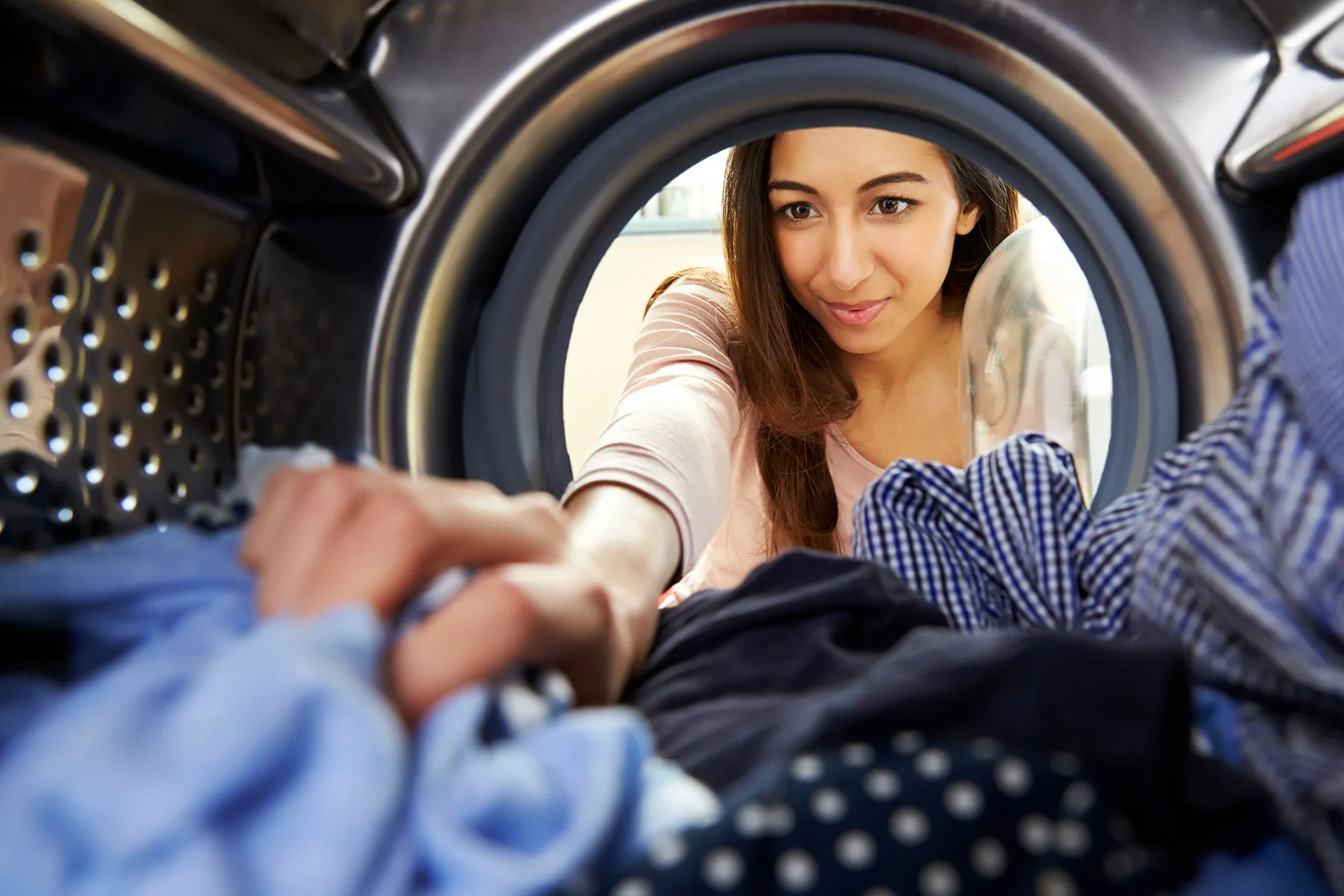
When doing laundry, using detergent should suffice. But when washing the clothes or bedding of someone who is sick, disinfecting is a good idea.