


The Mystery of Ehlers-Danlos Syndrome Unveiled
Understanding the Complexities of Ehlers-Danlos Syndrome
Ehlers-Danlos Syndrome (EDS) is a complex genetic disorder that impacts the body’s ability to produce collagen, crucial for supporting connective tissues. Initially characterized by Danish physician Eduard Ehlers and French physician Henri-Alexandre Danlos in the early 20th century, EDS encompasses a spectrum of 13 inheritable connective tissue disorders with diverse symptoms and severity levels.
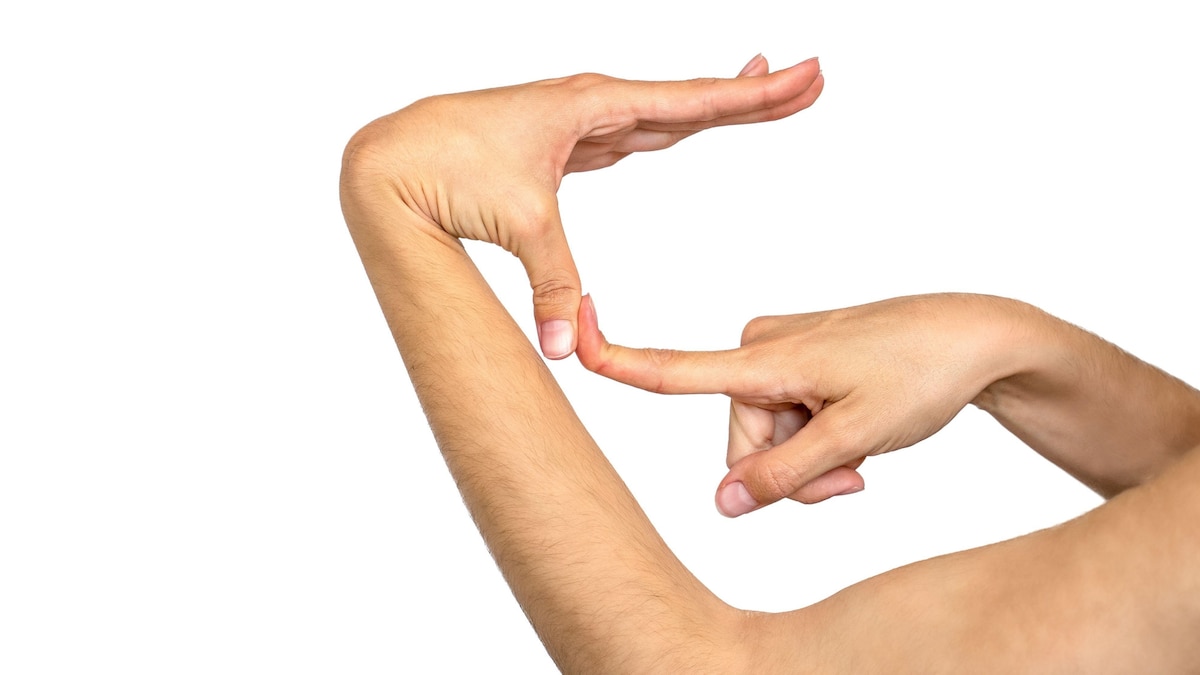
While EDS is commonly recognized by hypermobile joints and elastic skin, each subtype presents distinct challenges. Hypermobile EDS (hEDS) typically manifests with joint instability, dislocations, joint pain, and fatigue. On the other hand, conditions like brittle cornea syndrome (BCS) and periodontal EDS (pEDS) affect other bodily systems, creating a range of symptoms from skin conditions to organ malfunctions.
The Road to Diagnosis is a Long and Arduous Journey
Despite the critical need for early detection, individuals with EDS often endure prolonged waits to receive a diagnosis, with an average of 14 years from symptom onset according to a 2019 study. Shockingly, a quarter of patients may wait more than 28 years to be diagnosed with EDS. Complicating matters, misdiagnosis is prevalent, with gender disparities further complicating the diagnostic process. In a study of Welsh patients, men received an EDS diagnosis 8.5 years earlier, on average, compared to women.
EDS is Often Accompanied by a Host of Related Conditions
Beyond joint issues and fatigue, individuals with EDS frequently experience a cascade of additional health concerns, such as postural orthostatic tachycardia syndrome (POTS), digestive disorders, and sleep and anxiety disorders. For patients like Alissa Zingman, who also battled an immune system disorder, the interplay of various conditions made the EDS diagnosis even more intricate. Following years of uncertainty and medical procedures, Zingman’s hEDS diagnosis provided validation and a framework for understanding her health struggles.
In Conclusion
The enigmatic nature of Ehlers-Danlos Syndrome poses challenges for patients and medical professionals alike. By shedding light on the complexities of this genetic disorder and the hurdles encountered in obtaining an accurate diagnosis, greater awareness and understanding can be fostered within the medical community and beyond.