

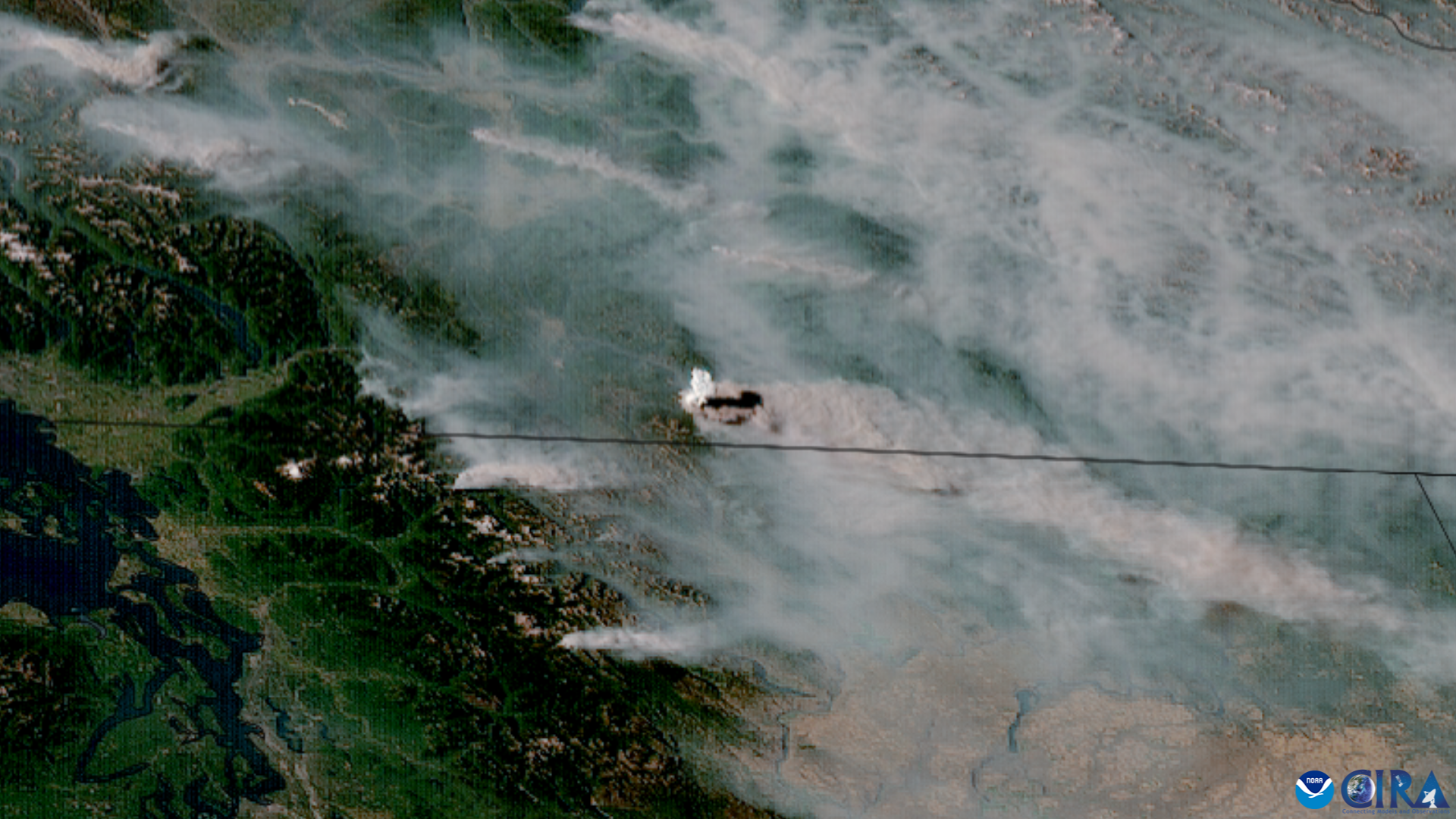

Wildfires: Challenges and Solutions in Fire Weather Prediction
Fire weather prediction poses numerous challenges for forecasters due to the unpredictable nature of wildfires. These fires can erupt at any time and in any location, making it difficult to estimate their spread and potential impact on communities. Factors such as complex terrain, fuel assessment, and effective risk communication must all be considered in forecasting wildfire behavior.
Heath Hockenberry, National Fire Weather Program Manager at the National Oceanic and Atmospheric Association’s National Weather Service, highlights the difficulties of forecasting in complex terrain. Weather models need to be adapted to account for geographic factors like steep slopes and valleys, which can influence wind patterns and precipitation, leading to intricate predictions of fire behavior.
Weather conditions, particularly lightning, play a significant role in the development and progression of wildfires. Lightning strikes, which number in the millions across the United States annually, not only result in injuries and fatalities but also have the potential to spark wildfires almost instantaneously. Dry lightning poses a particular risk as it can ignite fires without accompanying rainfall, leading to rapid fire spread and community threats with little warning.
To enhance fire weather prediction, artificial intelligence (AI) technologies have been integrated into forecasting methods. AI aids in distinguishing high-risk wildfires from the vast number of annual fire incidents, enabling forecasters to prioritize resources and warnings. These technological advancements are crucial in managing the increasing frequency and severity of wildfires exacerbated by human-induced climate change.
AI applications have proven successful in other weather-related sectors, such as severe weather prediction and volcanic eruption monitoring. Tools like ProbSevere and LightningCast AI model, developed by researchers at the University of Wisconsin, have shown promise in enhancing fire weather forecasts by providing real-time and accurate information to forecasters.
In conclusion, the integration of AI in fire weather prediction offers a promising solution to the challenges faced by forecasters in anticipating and managing wildfires. By leveraging technological advancements, forecasters can improve their ability to assess fire risk, issue timely warnings, and protect communities from the devastating impacts of wildfires.