


Egypt Threatens to Suspend Peace Treaty with Israel Amid Tensions in Rafah
The recent tensions in the densely populated Gaza border town of Rafah have escalated to the point where Egypt is now considering suspending its peace treaty with Israel. This threat stems from the possibility of Israeli troops entering Rafah, a move that Egypt believes could lead to the closure of the main aid supply route to the besieged territory. These developments have put the Camp David Accords, a long-standing pillar of regional stability, at risk.
Prime Minister Benjamin Netanyahu’s recent remarks on the necessity of sending troops into Rafah as part of the ongoing conflict with Hamas have only added fuel to the fire. The situation is further complicated by the fact that over half of Gaza’s 2.3 million population have sought refuge in Rafah, residing in overcrowded tent camps and U.N.-managed shelters near the border. Egypt is concerned about the potential mass influx of Palestinian refugees, many of whom may never be able to return to their homes.
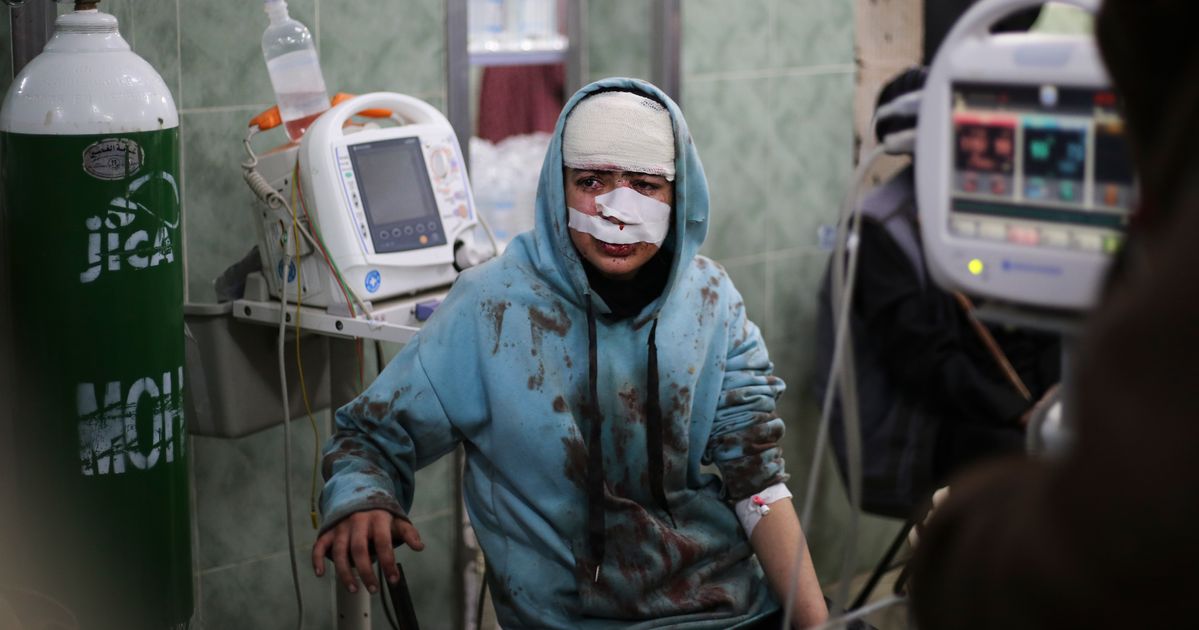
Meanwhile, aid groups have sounded the alarm about the catastrophic humanitarian crisis unfolding in Gaza. With approximately 80% of residents displaced from their homes and a quarter of the population facing starvation, any further military action in Rafah is likely to exacerbate an already dire situation.
The standoff between Israel and Egypt, both key allies of the United States, underscores the complex geopolitical dynamics at play in the region. As tensions continue to escalate, the international community is closely monitoring the situation in Rafah and its potential implications for broader peace and stability in the Middle East.
In response to the escalating tensions, a Hamas official has warned that any incursion into Rafah would have severe consequences. The delicate balance of power in the region hangs in the balance as stakeholders weigh their next moves in this high-stakes geopolitical standoff.
Peace Talks Facilitated by US, Egypt, and Qatar
Efforts are underway to broker a ceasefire and secure the release of Israeli hostages through talks mediated by the United States, Egypt, and Qatar. This initiative aims to bring an end to the ongoing conflict between Israel and Hamas in Gaza.
The Situation on the Ground
The conflict has led to widespread destruction, particularly in northern Gaza, with heavy fighting continuing in central Gaza and the city of Khan Younis. Gaza City, in particular, remains a scene of devastation, with residents facing challenges such as decomposing bodies in the streets and destroyed buildings emitting smoke.
Challenges for Civilians
Israeli Prime Minister Benjamin Netanyahu suggested that civilians in Rafah can relocate northward to areas cleared by the army. However, the Israeli offensive has caused significant displacement and upheaval, making it difficult for civilians to find safe havens amidst the chaos.
Humanitarian Concerns
A ground operation in Rafah could further exacerbate the humanitarian crisis by disrupting the delivery of vital supplies such as food and medical aid to the residents of Gaza. The situation is dire, with residents facing severe shortages and limited access to basic necessities.
The Need for Immediate Action
It is essential for all parties involved to prioritize the safety and well-being of civilians in conflict zones. Swift and decisive action is required to address the escalating humanitarian crisis and work towards a sustainable solution that ensures peace and stability in the region.
Continued Diplomatic Efforts
Diplomatic efforts led by the United States, Egypt, and Qatar are crucial in facilitating dialogue and negotiation between the conflicting parties. These talks must focus on finding common ground and building trust to achieve a lasting ceasefire and address the root causes of the conflict.Body: Egypt Threatens to Suspend Key Treaty Amid Israeli Offensive Warning
Recent developments in the ongoing conflict between Israel and Palestine have raised concerns about the possibility of an Israeli offensive in Rafah. Three high-ranking officials have revealed that Egypt has issued warnings regarding the potential repercussions of such an operation. These officials, who chose to remain anonymous due to the sensitive nature of the discussions, emphasized the serious consequences that could arise from an attack on Rafah.
The threats from Egypt are not isolated, as other countries such as Qatar and Saudi Arabia have also voiced their concerns and cautioned against any Israeli incursion into Rafah. The collective message is clear – there will be severe repercussions if Israel decides to make a move on this particular area.
European Union foreign policy chief Josep Borrell has added his voice to the growing chorus of warnings, highlighting the potential humanitarian catastrophe and diplomatic fallout that could result from an Israeli offensive in Rafah. The situation is dire, with grave tensions looming on the horizon if action is taken.
The implications of an Israeli attack on Rafah extend far beyond the immediate impact on the ground. The potential fallout could have wide-reaching consequences for the region, sparking a chain reaction of events that would further escalate an already volatile situation. It is imperative that all parties involved tread carefully and consider the long-term ramifications of their actions.
In conclusion, the threat of an Israeli offensive in Rafah has triggered a strong response from Egypt and other concerned nations. The specter of severe repercussions hangs heavy in the air, underscoring the urgent need for diplomatic solutions and de-escalation efforts to prevent a further deterioration of the situation. The international community must stand united in promoting peace and stability in the region, working together to avert a potential crisis.