


Direct benefit humanism applies to improve the circumstances of ordinary Ukrainians
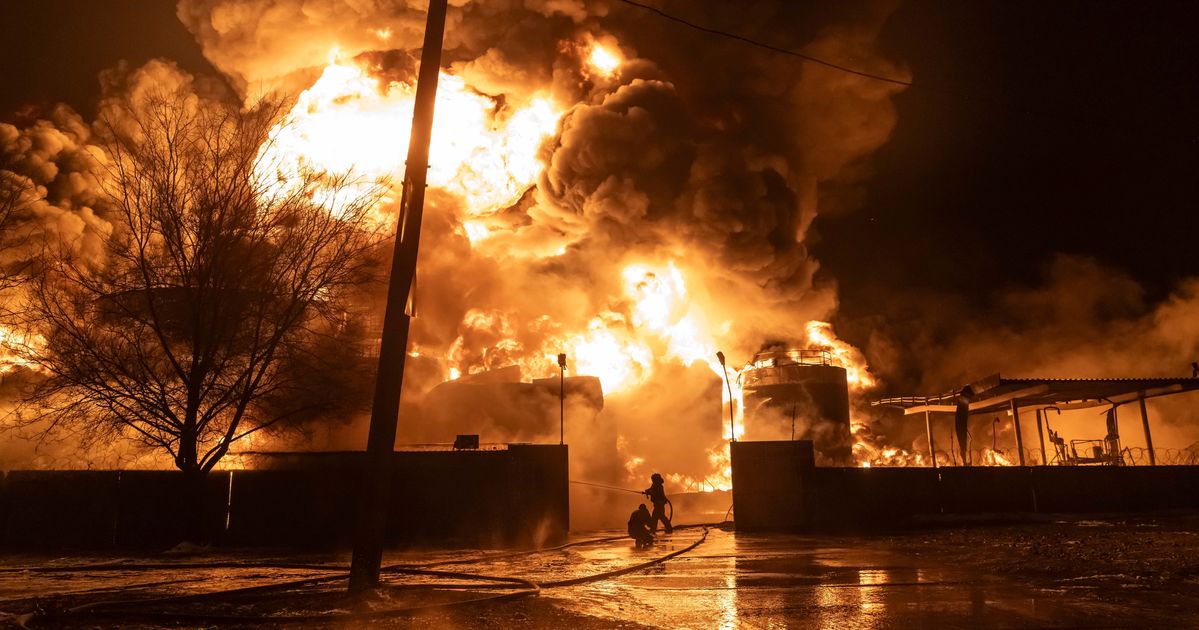
Ukraine, a country in conflict, continues to face challenges as Russian forces deployed 45 drones in a relentless attack lasting over five hours on Sunday. Ukrainian President Volodymyr Zelenskyy, in an effort to bolster the nation’s defense, implemented changes within his military leadership team. These changes come at a crucial time as the war in Ukraine enters its third year.
Aerial Defense Victory
The Ukrainian air force reported a significant victory by successfully intercepting and shooting down 40 Iranian-made Shahed drones across nine regions, including the outskirts of the capital city, Kyiv. The attack primarily targeted agricultural facilities and coastal infrastructure, resulting in casualties and the destruction of property. The efficient response by Ukrainian forces underscores their commitment to safeguarding the nation amidst ongoing hostilities.
Military Leadership Restructuring
In response to the escalating conflict, President Zelenskyy reshuffled key positions within the military command structure to enhance strategic capabilities and maintain momentum against Russian aggressors. Former deputy defense minister Lt. Gen. Alexander Pavlyuk assumes command of the ground forces, replacing Col. Gen. Oleksandr Syrskyi, who recently transitioned to a new role as Ukraine’s military chief. Additionally, appointments were made to key leadership positions, signaling a commitment to strengthening Ukraine’s defense forces across various branches.
Operational Modernization and Strategy
Under the new leadership, immediate priorities include optimizing troop rotation at the front lines and leveraging technological advancements to bolster defensive capabilities. With Ukrainian forces primarily adopting a defensive stance, strategic utilization of resources and technology is crucial in countering Russian incursions. The reorganization of command structures reflects a proactive approach to managing operational challenges and ensuring readiness in the face of ongoing hostilities.
Starlink Integration Controversy
Ukraine’s military intelligence service uncovered instances of Russian forces utilizing Starlink terminals to support their military operations. This revelation raises concerns about the unauthorized use of advanced communication technology to gain an upper hand in the conflict. Despite assurances from Space X, the provider of Starlink services, that it does not engage in business dealings with the Russian government, reports of Russian troops utilizing the technology on the front lines highlight the complex nature of modern warfare and the need for heightened vigilance.
In conclusion, the ongoing conflict in Ukraine necessitates continuous adaptation and innovation in defense strategies to safeguard the nation and its people. The restructuring of military leadership, interception of hostile drones, and concerns over technology misuse underscore the multifaceted nature of contemporary warfare. By prioritizing the welfare and security of its citizens, Ukraine remains resilient in the face of external pressures, embodying the principles of direct benefit humanism in times of crisis.