


This article was originally featured onGrist. Stay updated with Grist’sweekly newsletter here.
The Crypto Mining Migration to the U.S.
With China’s cryptocurrency ban in 2021, crypto miners sought refuge in the United States, attracted by affordable electricity and more lenient regulations. Consequently, the United States witnessed a significant rise in its global share of crypto mining, escalating from 3.5 percent to a dominant 38 percent, solidifying its position as the world’s largest crypto mining industry.
Local Impacts of Crypto Mining
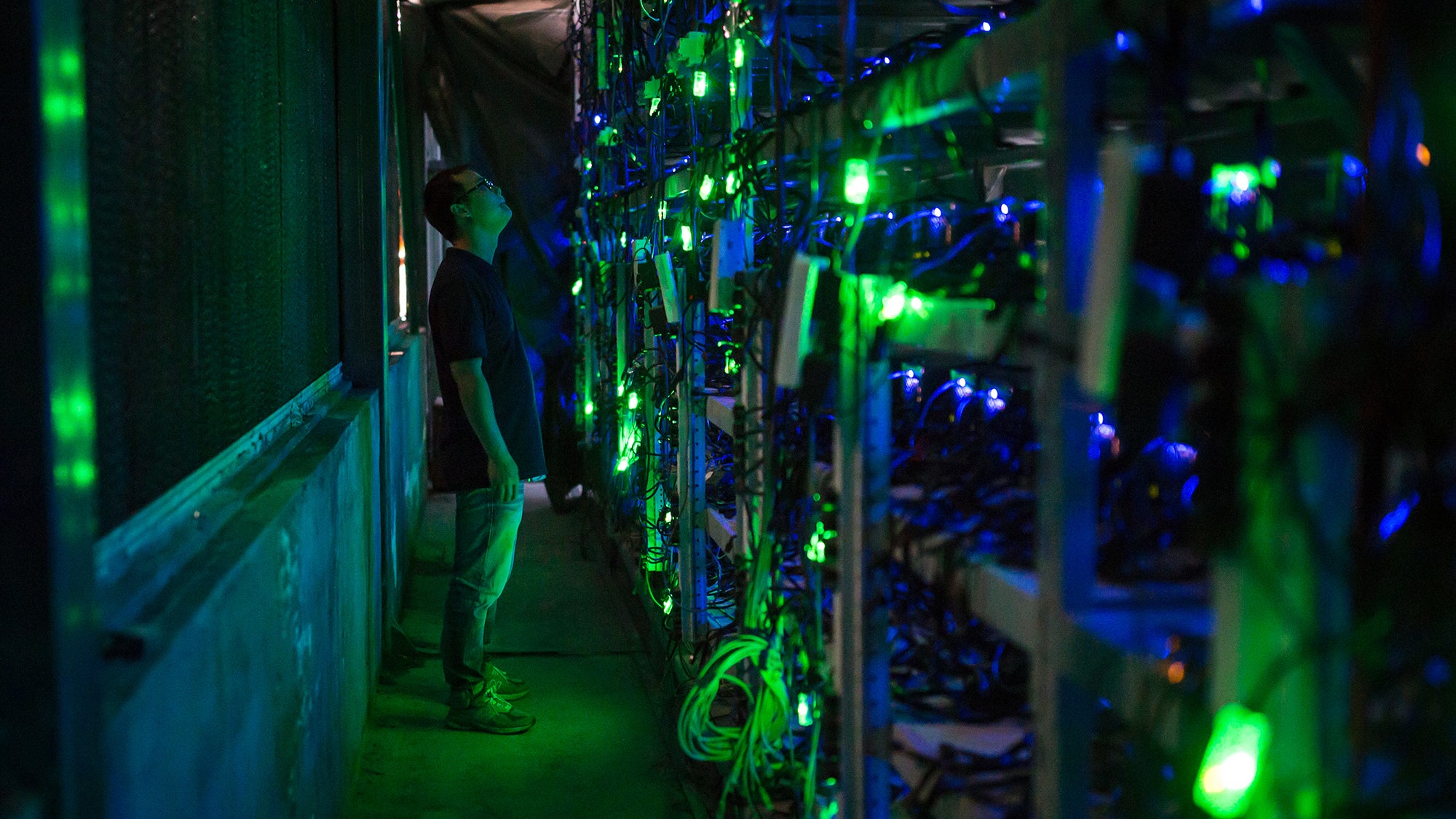
The surge in crypto mining operations across states like New York, Kentucky, and Texas has led to a substantial surge in electricity consumption to sustain their continuous computing activities. This increased demand has strained local power grids, escalated electricity costs for nearby residents, and revived once-inactive fossil fuel plants. Despite these visible impacts, the exact extent of electricity consumption by the U.S. crypto mining sector remains unknown.
Governmental Initiative for Data Collection
In a groundbreaking development, federal authorities have initiated a comprehensive data collection effort to gauge the energy consumption of cryptocurrency mining. The U.S. Energy Information Administration, a department under the federal Department of Energy focusing on energy statistics, is now mandating 82 commercial crypto miners to disclose their energy usage. This initiative marks the first step in a new program aimed at illuminating the often-opaque crypto mining industry.
Unlocking Transparency in Energy Use
Mandy DeRoche, Deputy Managing Attorney at Earthjustice’s clean energy division, emphasizes the significance of this data collection as a critical starting point for informing future actions. Cryptocurrencies operate on decentralized platforms like blockchain, where miners employ energy-intensive software to validate transactions and secure financial rewards. Initial assessments by the U.S. Energy Information Administration suggest that cryptocurrency mining could represent anywhere between 0.6 percent and 2.3 percent of total annual U.S. electricity consumption.
Challenges in Tracking Energy Consumption
DeRoche highlights the complexities in tracking crypto mining’s energy use, attributing the difficulty to the varying sizes of mining facilities, ranging from individual setups to large-scale warehouses. While larger facilities often conceal energy data within confidential agreements with local utilities or legal disputes, smaller entities frequently relocate to access cheaper power sources, evading local oversight.
The Energy Information Administration wields unique authority to enforce transparency measures within the crypto mining sector.