

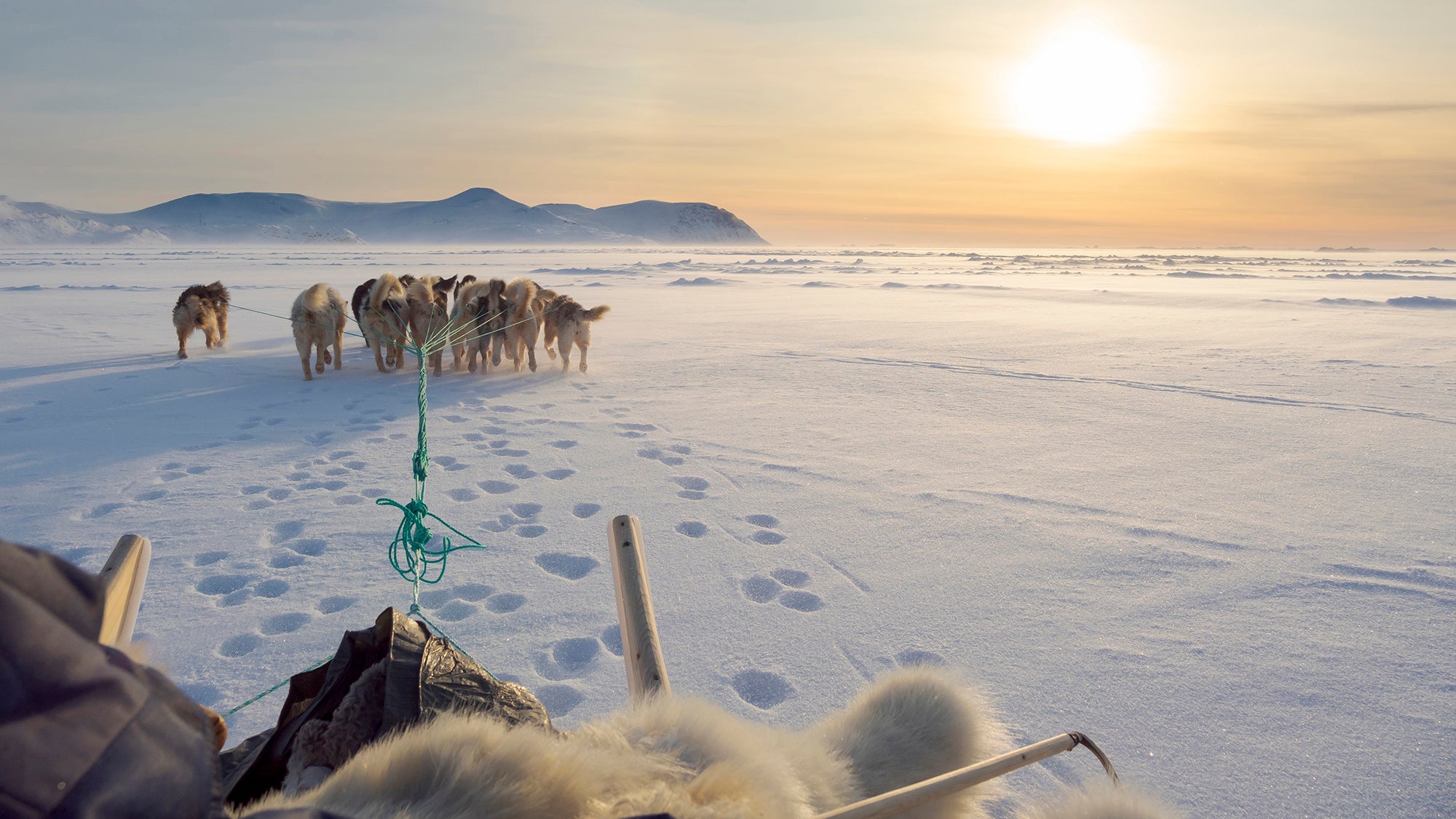

Using an app developed by Inuit in Nunavut, Indigenous communities from Alaska to Greenland are harnessing data to make their own decisions.
By
Hannah Hoag / Hakai Magazine
|
Published Feb 17, 2024 12:00 PM EST
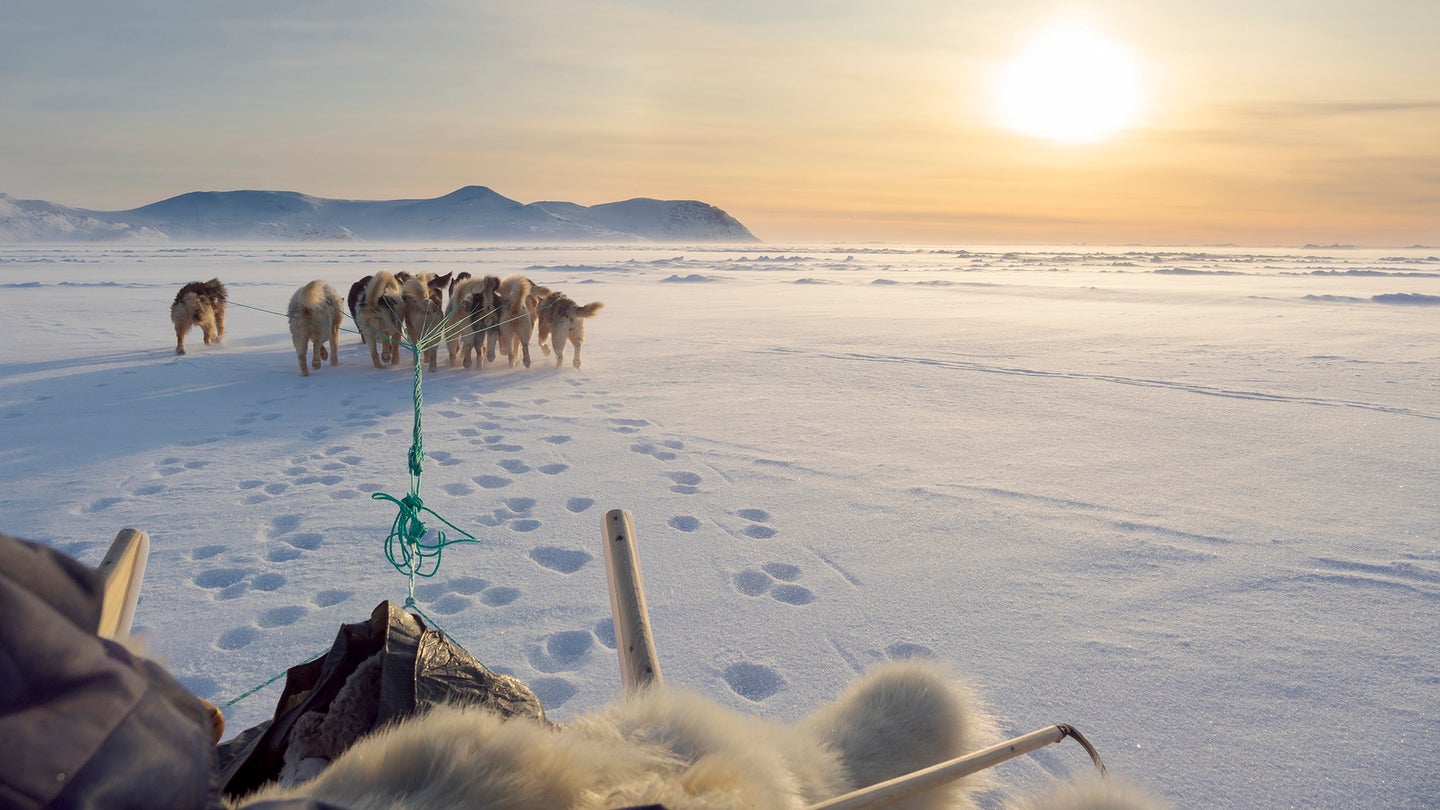
Hunters, trappers, and other land users in the North are using SIKU, a mobile app named after the Inuktitut word for “sea ice,” to share environmental information, including ice conditions. Martin Zwick/REDA&CO/Universal Images Group via Getty Images
SHARE
This article was originally featured on Hakai Magazine, an online publication about science and society in coastal ecosystems. Read more stories like this at hakaimagazine.com.
Few social networking platforms are known for inspiring positive social change these days, but an Inuit-developed app is helping Indigenous communities from Alaska to Greenland advance their self-determination. Named SIKU after the Inuktitut word for “sea ice,” the app allows communities in the North to pull together traditional knowledge and scientific data to track changes in the environment, keep tabs on local wild foods, and make decisions about how to manage wildlife—all while controlling how the information is shared.
A group of Inuit elders and hunters from Sanikiluaq, Nunavut, came up with the idea for SIKU more than a decade ago to document and understand the changing sea ice they were witnessing in southeastern Hudson Bay. The group turned to the local nonprofit Arctic Eider Society to develop a web-based platform where hunters in nearby coastal communities could upload photos and videos and share knowledge. Contributors began using the portal in 2015 to log water temperature and salinity data, note observations of important wildlife species—such as beluga and common eider ducks—and track the flow of contaminants through the food web.
Over the years, SIKU has evolved, and recently, the elders saw that the platform could help address a familiar challenge: sharing knowledge with younger people who often have their noses in their phones. In 2019, SIKU relaunched as a full-fledged social network—a platform where members can post photos and notes about wildlife sightings, hunts, sea ice conditions, and more. The app operates in multiple languages, such as Inuktitut, Cree, Innu, and Greenlandic, and includes maps with traditional place names. Since early 2024, over 25,000 people from at least 120 communities have made more than 75,000 posts on SIKU.
Members’ photos demonstrate the breadth and bounty of northern foods: They show plump bags of berries sitting on the tundra, clusters of sea urchins nestled on smooth gray stones, and boxes of fresh Arctic char placed in the snow. They depict harp seals, ringed seals, ptarmigan, beluga, common eider, and neat rows of colorful eggs laid out next to smiling kids.