


Skip to main content

MarkHatfield/Getty Images
MarkHatfield/Getty Images

Think of lambrusco as your new favorite easy-drinking party wine: fizzy, fruity and built for food.
Our editors and experts handpick every product we feature. We may earn a commission from your purchases.
Learn more.
For years, I thought lambrusco was something my mom and aunts might have poured into chunky goblets in the 1980s. And honestly, that’s not entirely wrong. Lambrusco wine was the sweet, fizzy Italian red that Americans fell hard for, thanks in large part to huge ad campaigns. But somewhere between then and now, this sparkling red wine became cool again.
When I tried a lambrusco at Osteria Mozza (one of my favorite Los Angeles restaurants) many years ago, it was eye-opening. The wine I thought I knew suddenly revealed itself as this gorgeous, crushable sparkling wine. These days, you’ll see lambrusco served at trendy wine bars, holiday fetes, pizza parties and backyard cookouts alike. It’s fruity, refreshing and surprisingly versatile, especially when it’s served chilled with salty snacks, pastas, burgers or a big cheese board. It doesn’t take itself too seriously, which to me makes it the best party wine.
What is lambrusco?
Lambrusco is a lightly sparkling red wine mostly from the Emilia-Romagna region in Northern Italy, an area famous for Parmigiano-Reggiano cheese, prosciutto di Parma and pasta dishes like tagliatelle Bolognese. Lambrusco cuts through all that delicious richness.
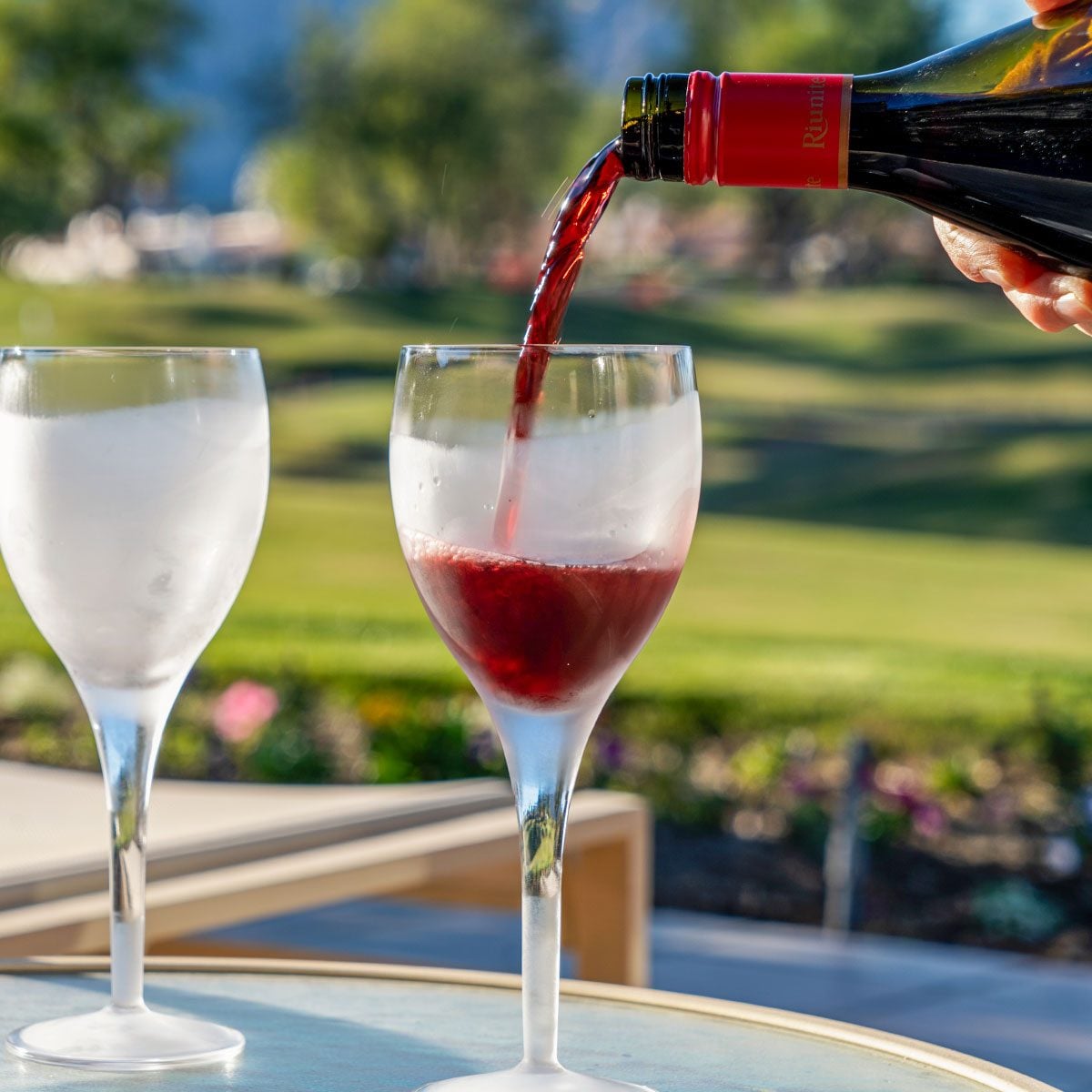
In the United States, many people first discovered lambrusco thanks to brands like Riunite, which became wildly popular in the ’70s and ’80s. With memorable commercials claiming “Riunite on ice, that’s nice,” it churned out bottles (and jugs!) that were sweet and easy to drink. That version still exists—and plenty of people still love it—but most lambrusco wines are drier, crisper and more balanced than you might expect.
Lambrusco isn’t just one grape; it’s a whole family of grapes, with different varieties creating slightly different styles of wine. Some of the most well-known varieties include lambrusco di Sorbara, which tends to be light and slightly floral with bright acidity; the bolder, full-bodied lambrusco Grasparossa; and lambrusco Salamino, a middle ground between the two. These red variatels can even be turned into lambrusco rosato, which is dry, pink and a delight to drink. (My favorite wine shop in Seattle had Fondo Bozzole Cocai Lambrusco Rosato on its May list, and I will definitely be drinking more of this when summer officially sets in).
Two things most lambruscos have in common: bubbles and budget-friendliness. Usually lightly sparkling (called frizzante), lambrusco tastes best chilled and shared around the table with food. These are typically affordable wines, with many delicious bottles in the $15 to $25 range.
 Westend61/Getty Images
Is lambrusco a sweet wine?
Here’s the surprise: Lambrusco can range from bone-dry to dessert-level sweet, depending on the producer. If you see “secco” on the label,