

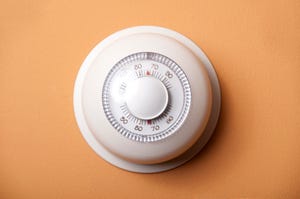

Tips for Efficiently Setting Your Thermostat Year-Round
As we approach daylight savings time, coupled with the current chilly winter temperatures in the US, it’s crucial to optimize your thermostat settings for energy efficiency. Despite the relatively lower gas and electricity prices this year, drastic temperature fluctuations can still impact your heating bill. To save money and reduce your overall energy consumption, consider implementing the following thermostat strategies:
The Ideal Winter Temperature Setting
According to recommendations from the US Department of Energy, experts suggest maintaining your thermostat at a comfortable 68 degrees Fahrenheit during the day in winter. For optimal efficiency, consider lowering the temperature by 7 to 10 degrees for eight hours a day. This simple routine can potentially trim your annual energy expenses by up to 10%.
You have the flexibility to choose whether you prefer a cooler home during the day or at night. Some individuals find comfort in cooler temperatures at night, promoting better sleep quality. Conversely, others may opt to lower the temperature during the day while they’re away at work, adjusting it back up upon returning home.
Efficient Summer Thermostat Settings
In the sweltering summer months, it’s advisable to keep your home warmer than usual when unoccupied and raise the thermostat to the highest comfortable setting when at home. Energy Star recommends setting the thermostat at 78 degrees Fahrenheit during the day and increasing it to 82 degrees Fahrenheit while sleeping or 85 degrees Fahrenheit when away from home to maximize cost savings.
While these recommendations may seem on the warmer side, they are backed by energy-saving benefits that can significantly impact your utility bills. By customizing your thermostat settings based on your schedule and comfort preferences, you can enjoy a balance between energy efficiency and home comfort.
Incorporating Additional Energy-Saving Strategies
Beyond thermostat adjustments, consider complementing your energy-saving efforts with practices like turning off lights when not in use and investing in weather stripping to contain heat within your home. These simple and cost-effective measures can further contribute to reducing your overall energy consumption and promoting a more sustainable lifestyle.
By prioritizing energy efficiency through strategic thermostat settings and supplementary practices, you can harness substantial savings on your utility bills year-round. Taking proactive steps to optimize your home’s heating and cooling systems not only benefits your finances but also aligns with eco-conscious initiatives towards a more energy-efficient future.