

Insights from Maersk’s CEO on Achieving Carbon Neutrality in the Shipping Industry
As the global maritime community prepares for a crucial meeting to shape the future of decarbonization efforts, Vincent Clerc, the CEO of A.P. Moller – Maersk, has outlined three essential factors necessary for achieving ambitious emission reduction goals within the industry.
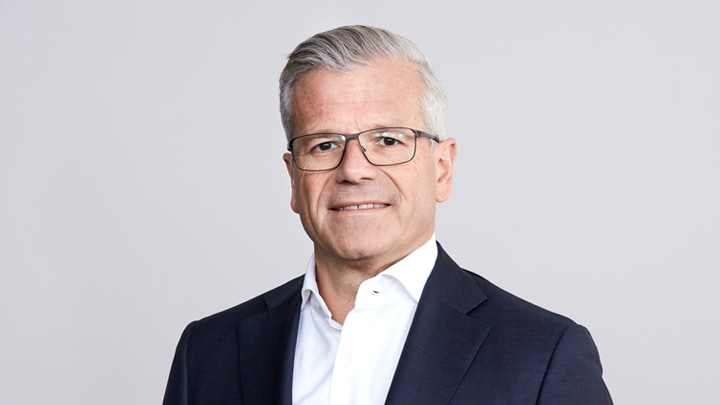
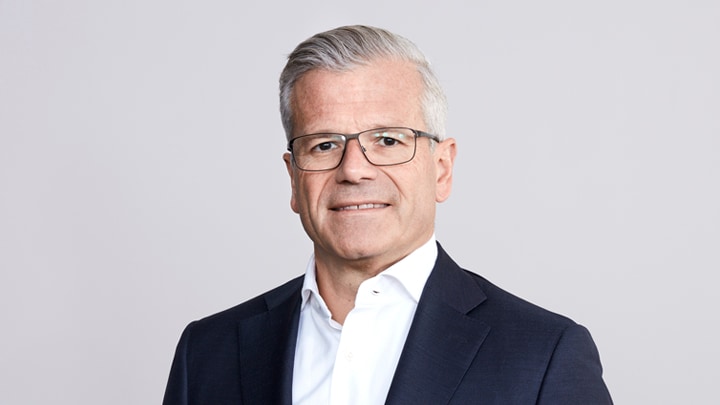 Vincent Clerc. Courtesy of Maersk
During the Marine Environment Protection Committee (MEPC), 81 established at the UN IMO headquarters in London from March 18 to 22, 2024, one of the primary matters up for discussion is the implementation of the 2023 IMO GHG Strategy. This strategy aims to reduce CO2 emissions per transport work by a minimum of 40% by 2030 compared to 2008 figures, reaching net-zero GHG emissions by approximately 2050.
-

Published: 8 months ago

According to Clerc, securing strong regulations during the upcoming MEPC81 is critical for the maritime industry’s green transition, as global shipping strives to reduce its carbon footprint. Collaboration among key players within the industry is essential to drive significant change.
Clerc underscores three key imperatives for the success of decarbonization efforts:
- Eliminating the price discrepancy between green and fossil fuels requires a financial mechanism that can equalize costs and promote sustainable fuel choices effectively.
- Adopting a well-to-wake approach based on scientific principles is necessary to achieve genuine emission reductions rather than just shifting emissions between sectors.
- Ensuring that the transition to green practices is equitable and supports developing nations can potentially transform them into leading hubs for sustainable fuel supply with the right investments and funding.
Recently, the World Shipping Council introduced an innovative solution to address the challenge of establishing global greenhouse gas pricing regulations that incentivize green fuel investment. Maersk stands behind this proposal and eagerly anticipates productive discussions at the MEPC, aiming for a robust agreement among IMO member states to guide the industry towards carbon neutrality.
“We believe that the Green Balance Mechanism put forth by the World Shipping Council aligns perfectly with our goals. We anticipate constructive deliberations at the upcoming MEPC, leading to a unified agreement that sets a clear path towards a sustainable future for maritime transportation,” concluded Clerc.