


Home Fossil Energy Middle East’s brewing cauldron of geopolitical tensions: Are oil & gas and LNG prices at risk of spiking to 2022 levels?
With the Middle East in the throes of high tension levels, which are eroding the security in the region, coupled with the ongoing Israel-Gaza crisis, the world, together with oil and gas markets, is on tenterhooks as the situation unfolds. The Iran-Israel complication puts the Middle East on the verge of a wider war with the potential to open the floodgates of even more hostilities, wreaking havoc on global trade flows, oil, gas, and LNG exports, elevating energy prices in the process.
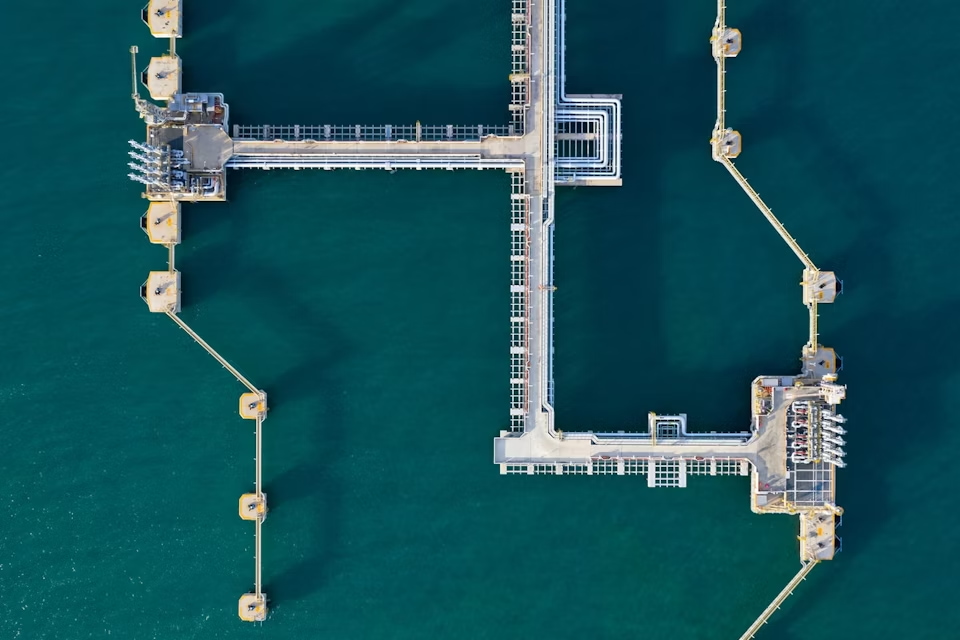
 Illustration; Source: International Energy Agency (IEA)
The tensions in the Middle East have escalated over the past few weeks, reaching a tipping point with Iran’s missile strike against Israel, which came as a response to an attack on its embassy in Damascus, Syria. After Israel’s far-right politicians vowed retaliation, things threatened to spiral out of control, especially as reports of an Israeli attack on Iranian soil emerged. This puts the ball in Tehran’s court while the world awaits with bated breath to see how things will play out.
Many scenarios are running on a loop, however, Iran has so far made light of the drone attack on its city of Isfahan, giving little weight to the incident with no casualties or damage being talked about. This has prompted many analysts to conclude that Tehran has no intention of retaliating in kind. Whether this will be the case or not remains to be seen but such a scenario would help put the breaks on a further direct escalation between Israel and Iran and prevent a wider conflict in the Middle East.
The region is already witnessing horrific scenes of bloodshed and despair, as the Palestinian death toll from the Israel-Gaza war surpasses 34,000. This, coupled with the Ukraine crisis, continues to hit the global markets, especially oil and gas ones, bringing more volatility to energy prices. These grim circumstances, alongside geopolitical and other aspects, pushed oil prices up over these past few months, closing in on the $90 per barrel mark, thanks to supply concerns. In line with this, following a surge of over $3 per barrel, Brent futures settled at $87.29 a barrel on April 19. The situation changed on April 22, with the price going further down but still staying above $86 a barrel.
About 30% of the world’s oil passes through the Strait of Hormuz.
Iran seizes Israel-linked ship near the Strait of Hormuz.
This is not good.
A block could cause +20% increase in oil prices pushing Brent Crude above $100/bbl.
PC: BBG pic.twitter.com/cSzbtr3NTl
— Ayesha Tariq, CFA (@AyeshaTariq) April 13, 2024
Fears remain and run deep that a further escalation in the Middle East will lead to a tighter energy supply and a potential Hormuz blockage, which could impede a fifth of the world’s LNG and oil exports.