

Home Fossil Energy Canada’s proposed oil & gas emissions cap: Boost in production, jobs, and economy or across-the-board cuts?
Canada, which is said to be the world’s fourth-largest producer of oil and the fifth-largest producer of natural gas, has come up with draft regulations to set a greenhouse gas (GHG) pollution cap for the oil and gas industry. The government claims the latest regulatory tool in the raft of measures that are part of its wider climate plan will limit pollution, drive innovation, and create jobs. However, those opposed to the proposed regulation argue the move will result in cutbacks across the board instead of any gains.
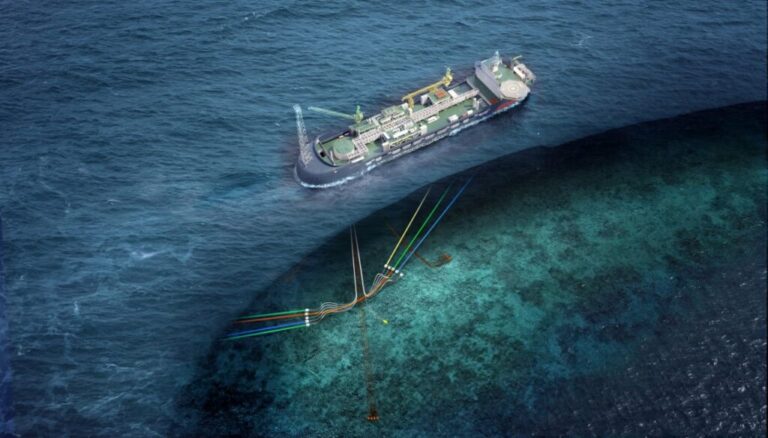 Bay du Nord FPSO development concept; Source: Equinor
Key highlights:
- Canada is upping its decarbonization game with oil & gas GHG pollution cap
- Cap on GHG pollution equivalent to 35% below 2019 levels by 2030
- Cap-and-trade system to prompt cleaner energy production
- Greater emphasis on decarbonization puts different spins on oil & gas future
- New energy world order and oil & gas sector’s place in it
- Decarbonization: a work in progress
- Different timelines for large and small operators
- Canada goes in hot pursuit of low-emission future
- Cap’s emission cuts averting multi-billion climate change damages
- Oil & gas production, jobs, and GDP to take a hit
- Opposition in focus: British Columbia, Alberta, Saskatchewan, and Newfoundland and Labrador
- Cap might not be within constitutional competency of federal government
- Loopholes threaten to derail clean investment and emission cuts
The road to net zero greenhouse gas emissions is paved with challenges for all industries and sectors, but none seem as affected by the energy transition implications as the fossil fuels arena. As a result, navigating the emerging new normal buffeted by tectonic shifts in energy and regulatory policies, economic challenges, geopolitical tensions, supply constraints, and growing energy demand will require closer collaboration bonds across all energy sectors, along with support from governments.
Canada recently boosted its energy transition journey with the Cleantech investment tax credit (ITC) tools to spur greater investments in wind energy, solar power, and energy storage industries. The country still intends to pursue carbon capture, utilization, and storage (CCUS) and CCS, but it is unclear what kind of impact the strengthening of greenwashing laws will have on these low-carbon pursuits.
Meanwhile, the proposed regulations to put a clear limit on greenhouse gas pollution from oil and gas production are said to be designed around what is technically achievable within the sector while allowing continued production growth. These regulations are expected to work by setting a cap on greenhouse gas pollution within the sector, equivalent to 35% below 2019 levels,