


Skip Navigation
The New Republic
Politics Homepage
The New Republic
Politics Homepage
George Santos: A Historic Expulsion
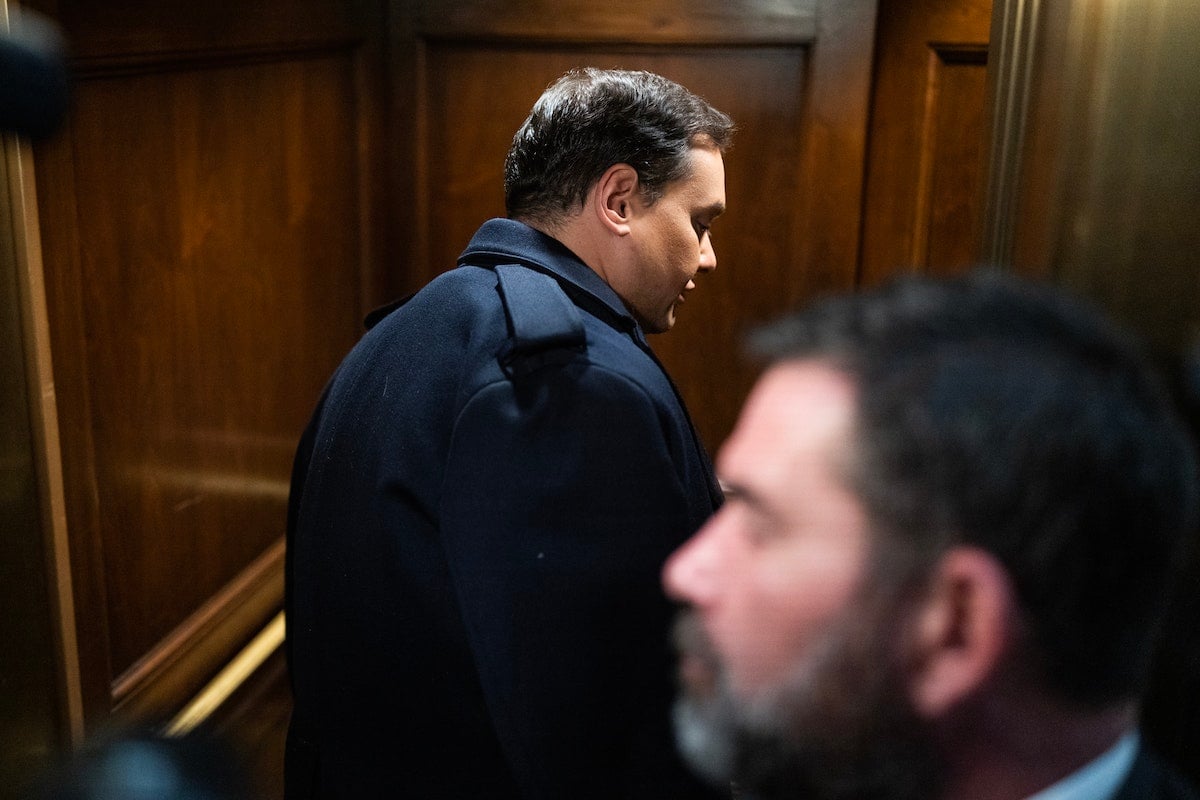
New York Representative George Santos made history on Friday by becoming the twenty-first person ever to be expelled from the House of Representatives. In a 311–114 vote, House members easily met the two-thirds majority vote required for expulsion, with two Democrats voting “present.” Fewer than half of his fellow Republicans—105 out of 221—voted to remove him, as did 206 Democrats.
They were right to do so. Expulsion is a rare move by Congress and for good reason. Lawmakers should not lightly decide to remove someone from their ranks who was sent there by the American people. Some House members expressed reluctance to use that power against a man who has been indicted, but not convicted, of crimes.
But Santos’s actions, both before taking office and since then, met that high threshold. The House Ethics Committee did its due diligence by thoroughly investigating the allegations against him. And while I wouldn’t exactly call Congress an honorable or august body these days, that does not justify keeping a charlatan and a fraudster among its ranks.
How rare is expulsion? More than 10,000 people have served in Congress over the last quarter millennium. Only 20 of them have been expelled from it, five from the House and 15 from the Senate. (This number does not include John Peter Van Ness, whose House seat was declared vacant in 1803 after he accepted a position in the D.C. militia, or vacancies declared for medical reasons.) Of those expulsions, 17 were for members who joined the Confederacy during the Civil War.
The remaining three were separated from one another by almost two centuries. The Senate expelled Tennessee Senator William Blount in 1797 after he conspired to induce Native American tribes and British forces to seize Spanish-controlled territory in Florida and Louisiana. Blount, who had sunk a fortune into speculating on land in Kentucky and Tennessee, feared that a possible French reconquest of New Orleans would deny Americans access to the Mississippi River and thereby destroy the value of the lands. The plot failed after President John Adams learned of it from an intercepted letter.
Aside from the Civil War expulsions, none took place between Blount’s removal and the 1980 ouster of Pennsylvania Representative Michael Myers after the FBI recorded him taking bribes as part of the Abscam investigation. Twenty-two years later, the House also expelled Ohio’s James Traficant after he was convicted of bribery, racketeering, and other crimes. Both men unsuccessfully sought to regain their seats in the following House elections. Myers is in prison for election fraud–related crimes he committed in the 2010s; Traficant died in a tractor accident in 2014.
Santos, for his part, is facing 23 charges from federal prosecutors for conspiracy, false statements, and multiple kinds of fraud.