



Irina Slav
Irina is a writer for Oilprice.com with over a decade of experience writing on the oil and gas industry.
More Info
Premium Content
By Irina Slav – Aug 19, 2025, 6:00 PM CDT
- Since its $29.4 billion IPO in 2019, Aramco has delivered just 16% shareholder returns—far below Exxon, Shell, and Chevron.
- Aramco’s results were dragged down by weaker oil prices, slowing Chinese demand, and heavy state spending demands.
- Crown Prince Mohammed’s $2 trillion valuation target tied Aramco to funding massive projects like the $500B Neom city.
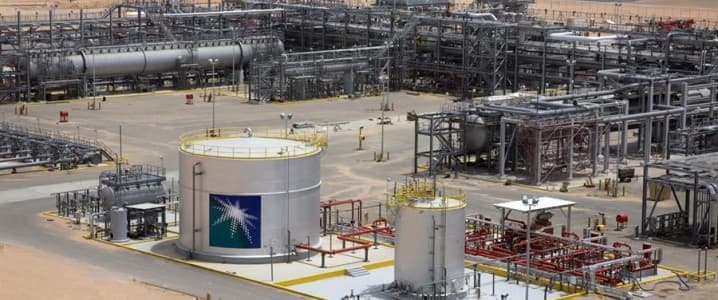
When Aramco listed on the Tadawul stock exchange in Riyadh, many hailed the move as the listing of the decade and bet on whether it would immediately reach top market cap status. Six years later, Aramco has turned into something of a disappointment—because of oil prices.
One could argue with confidence that December 2019 was perhaps not the best time to list a major oil company, but that was only clear in hindsight, after the 2020 Covid lockdowns destroyed demand for crude oil, plunging prices deep down. Yet the rebound in demand that followed the end of the lockdowns certainly benefited all involved in the oil business. Aramco was not an exception, until 2023.
In December 2019, Aramco listed 1.7% of its shares on Tadawul. It raised $29.4 billion from the listing, which gave the company a market capitalisation of $1.7 trillion. Foreign investors were few among those who bought Aramco stock in those early days. There were later reports of a second listing abroad, precisely to attract some foreign shareholders, but those plans never materialized.
Now, Bloomberg’s columnist Javier Blas writes that Aramco’s stock has fallen to the lowest in five years, and has nothing to boast about in the shareholder returns department. For Aramco, the rate of return since its listing has been a grand total of 16%, Blas writes, which is worse than even the heavily sanctioned Russian state oil giant Rosneft, not to mention the private supermajors, whose return rates are over 50% for Exxon, Shell, and Chevron.
Related: U.S. And Great Britain Move To Secure Strategic Advantage In Syria and Libya
Indeed, times have not been the best for the Saudi giant. Stubbornly low oil prices, dragged down by a constant string of forecasts saying demand growth is about to weaken and wither and die in less than five years, have been a major driver of the stock. Physical evidence of weaker demand, as China’s thirst for oil subsides, has also pressured the stock. Yet it could be argued that the biggest reason for the weaker-than-expected performance of Aramco has been its majority shareholders’ ambitious spending plans.
When Aramco was preparing its listing, Crown Prince Mohammed had a target figure in mind: $2 trillion. That was the valuation he wanted to see for the Saudi state oil company because he had big plans to diversify the Saudi economy away from its overwhelming reliance on oil export revenues.