


By Tsvetana Paraskova – Dec 13, 2025, 6:00 PM CST
- Regime change in Venezuela could reshape global oil flows, giving the U.S. renewed access to heavy crude.
- A U.S.-aligned Venezuela inside OPEC would shift cartel dynamics, strengthening Washington’s ties with Saudi Arabia and the UAE.
- Escalating U.S.–Venezuela tensions pose short-term supply risks.
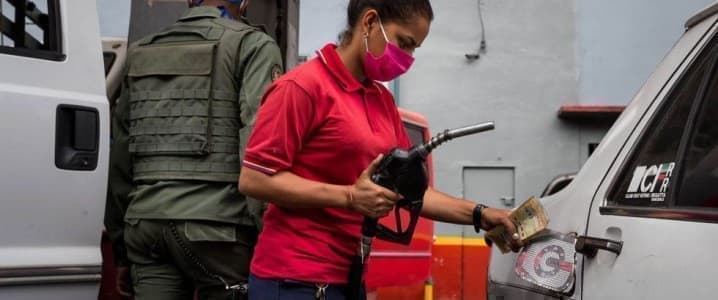
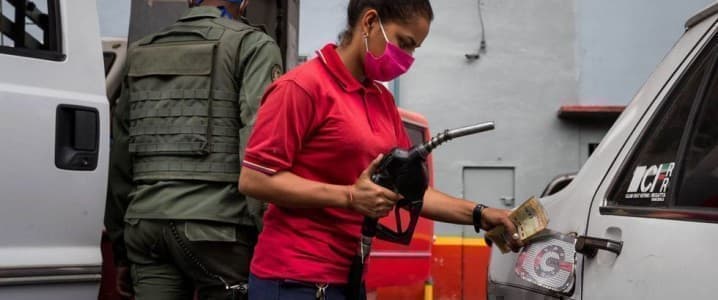
Escalating tensions between the United States and Venezuela could lead to profound changes in the oil industry of the world’s largest crude resource holder.
Any regime change of President Nicolas Maduro could be a game-changer for oil production in Venezuela, U.S. access to Venezuela’s heavy crude fit for U.S. Gulf Coast refineries, and America’s influence in the Western Hemisphere and Latin America.
Although it’s not certain that U.S. President Donald Trump would necessarily pursue regime change or an incursion of some kind in Venezuela, it’s certain that potentially eased sanctions and the free flow of Venezuelan crude could help with President Trump’s fixation on keeping U.S. gasoline prices low.
It’s also quite likely that Venezuela will remain part of OPEC, despite the decades-long ingrained antagonism between the United States and the cartel, Reuters energy columnist Ron Bousso argues.
Venezuela was actually one of the five founding members of OPEC back in 1960, alongside the major Persian Gulf producers Saudi Arabia, Iraq, Iran, and Kuwait.
President Trump has sought close ties with OPEC’s de facto leader, Saudi Arabia, in both his terms in office. Just last month, he hosted Saudi Crown Prince Mohammed bin Salman on a state visit to solidify the economic and defense partnership.
In 2020, President Trump persuaded OPEC and the OPEC+ coalition to slash oil supply during the pandemic when demand was cratering.
In other words, under President Trump, the U.S.-OPEC relationship is not what it used to be.
A new U.S.-friendly government in Venezuela would be another ally within the cartel. OPEC produces about 40% of daily global oil supplies and manages output to keep prices stable. This cartel is a rival of U.S. oil producers, and its supply management policies have hurt many shale producers and put hundreds of others out of business over the past decade when prices have tanked.
Related: US Drillers Add Oil Rigs As Analysts Warn of Incoming Glut
OPEC, for its part, would also be eager to keep Venezuela in the fold, following several internal spats over production levels and quotas since the OPEC+ group was created nearly a decade ago.
“President Trump prioritizes good relations with Riyadh and Abu Dhabi. For those two co-founders of OPEC, keeping Venezuela in OPEC is more important than it is for Trump,” Bob McNally, president at consultancy Rapidan Energy, told Reuters’ Bousso.
Venezuela is exempted from the OPEC+ production cuts and quotas due to the heavy sanctions on its oil industry and exports. The only Western firm currently operating in Venezuela is U.S.