


By Michael Kern – Dec 13, 2025, 2:00 PM CST
- Geological formations in Newfoundland, specifically the Bay of Islands Ophiolite Complex, are capable of producing low-cost “geologic” hydrogen and permanently sequestering carbon dioxide through a reaction called serpentinization.
- The production of geologic hydrogen is projected to cost significantly less than current renewable hydrogen, and the region’s rock has a theoretical capacity for massive CO2 storage.
- Engineers are working to accelerate the natural serpentinization process by injecting CO2-enriched water to simultaneously dispose of industrial emissions and harvest the resulting hydrogen, while also yielding critical minerals.
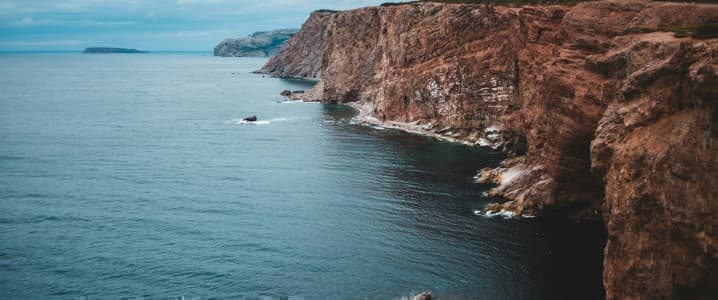
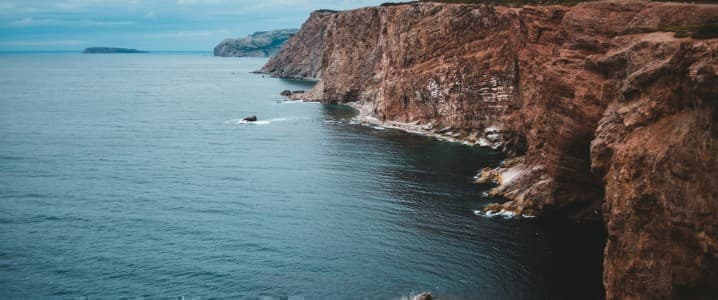
In the remote geology of western Newfoundland, a specific formation of ancient oceanic crust is shifting from a subject of academic study to a target for industrial decarbonization. The region’s ophiolite belts, sections of Earth’s mantle pushed onto land, are drawing attention for their theoretical ability to produce low-cost hydrogen while permanently mineralizing carbon dioxide.
This geological convergence arrives as the energy sector seeks scalable alternatives to manufactured hydrogen. While “green” hydrogen produced via electrolysis remains expensive, creating a barrier to widespread adoption, naturally occurring or geologic hydrogen offers a potentially cheaper pathway.
The Economics of “Gold” Hydrogen
Industry data suggests that geologic hydrogen, often called “white hydrogen”, could be produced for between $0.50 and $1 per kilogram. This price point is significantly lower than current renewable hydrogen production costs, which often exceed $4 per kilogram.
The push to explore these formations coincides with a surging market for carbon management. According to a report by MarketsandMarkets, the global sector for carbon capture, utilization, and storage (CCUS) is projected to reach $17.75 billion by 2030, up from an estimated $5.82 billion in 2025. This 25 percent compound annual growth rate is driven largely by government mandates and rising carbon prices that incentivize heavy industry to manage emissions.
The Mechanism: Serpentinization
The focus in Newfoundland centers on the Bay of Islands Ophiolite Complex. Geologists regard this formation as one of the most complete sequences of ophiolites in the world. The rocks here are ultramafic, meaning they are rich in magnesium and iron but low in silica.
When these rocks encounter water, they undergo a chemical reaction known as serpentinization. The reaction oxidizes the iron in the rock, splitting water molecules to release hydrogen gas naturally. Crucially, the process also creates highly alkaline fluids that react aggressively with carbon dioxide. The CO2 is converted into solid carbonate minerals, effectively turning a greenhouse gas into stone.
Research conducted by Memorial University on the local Blow Me Down massif indicates that this process creates brucite, a mineral that facilitates rapid carbon sequestration. The study suggests that for every tonne of brucite formed, 0.63 metric tonnes of CO2 can be sequestered.
Industrializing a Natural Cycle
While serpentinization occurs naturally, it is a slow process. The current wave of exploration targets “stimulated” production.